

Last Updated Date: July 7, 2026
In Spain, the evening often begins not with a formal dinner reservation, but with a slow, meandering journey from one bustling bar to the next. This beloved culinary tradition is called ir de tapas—to go for tapas. It’s a social experience where the food, served in small plates and portions, acts as a delicious excuse for what’s really important: conversation, connection, and community. Unlike a traditional sit-down meal where you are confined to one table, tapas culture is fluid, encouraging movement, mingling, and a shared experience.
Many people simply love tapas for the joy, bold flavors, and sense of togetherness they bring—there’s something truly special about sharing a table full of Spanish snacks and standout tapa dishes with friends and family.
This concept of building community through small plates is more than just a charming Spanish tradition; it’s a powerful antidote to our often-isolated modern lives. Hosting a Spanish tapas night is about creating an environment where the food facilitates interaction rather than dominating it. It’s an invitation to slow down, share stories, and strengthen bonds, one small bite at a time. This guide will walk you through the history, philosophy, and practical steps to bring this wonderful tradition into your own home.
Introduction to Tapas: Favorite Tapas Recipes and Easy Appetizer Ideas
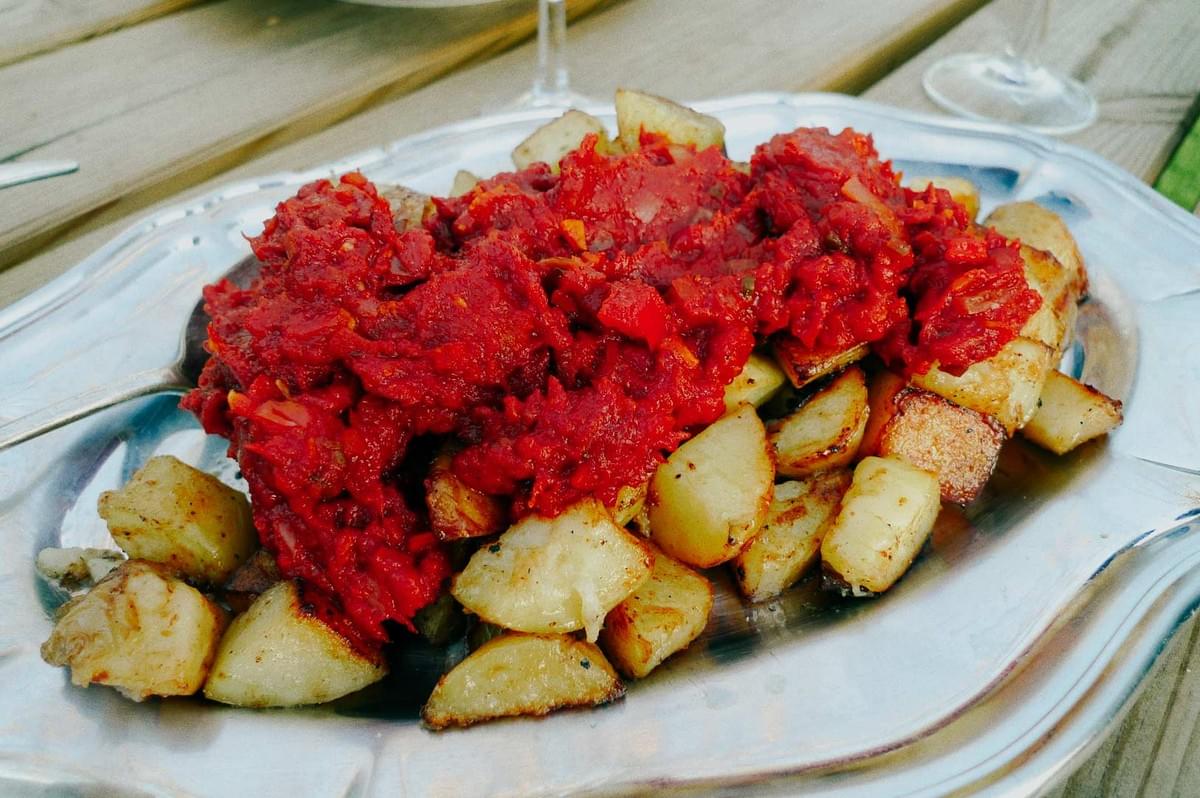
Traditional tapas preparations such as patatas bravas, tortilla española, and gambas al ajillo reveal not only exquisite depth of flavor but also demonstrate the refined simplicity that allows you to embrace presence with your guests rather than laboring in solitude. The true artistry of tapas lies within their nuanced complexity and thoughtful variety—each tapa dish becomes a meditation, an invitation to discover something extraordinary, from crispy potatoes adorned with aromatic tomato essence to delicate morsels of ocean treasures or garden vegetables.
Tapas offer a wide array of delicious food that delights the senses, inviting guests to graze and savor a range of flavors throughout the gathering. Tapas cultivate meaningful dialogue, gentle laughter, and the serene joy of sharing sustenance, making them an ideal vessel for building authentic community and crafting contemplative dining experiences that linger in memory. Within this comprehensive guide, you shall discover curated inspirations, treasured tapas recipes, and mindful approaches to hosting a memorable tapas gathering that will resonate deeply with your guests.
More Than a Meal: The History and Soul of Tapas
The origin of tapas is shrouded in legend, but the most popular story takes us to 13th-century Castile. King Alfonso X, known as "the Wise," was recovering from an illness and could only consume small portions of food with his wine. He found this so agreeable that he decreed that all taverns must serve a small snack with every alcoholic drink. A more practical theory suggests that a tapa (which means "lid" or "cover") was originally a slice of bread or cured meat placed over a glass of sherry to protect it from fruit flies.
Regardless of their true origin, tapas evolved from a simple bar snack into a sophisticated and varied culinary art form. At its core, however, the purpose remains the same: to accompany a drink and foster a social atmosphere. This is not a meal to be rushed; it is a social lubricant designed to extend the evening and deepen connections.
Across many cultures, this idea of dining as an experience rather than just a meal continues to evolve. From Spanish tapas bars to Japan’s carefully curated omakase counters, culinary traditions often center on trust, storytelling, and shared presence. Expat Eat explore these kinds of dining experiences, highlighting how thoughtfully prepared meals, whether small plates or multi-course tastings, can turn eating into something more meaningful.
The Social Magic of Small Plates: Small Bites for Your Next Dinner Party
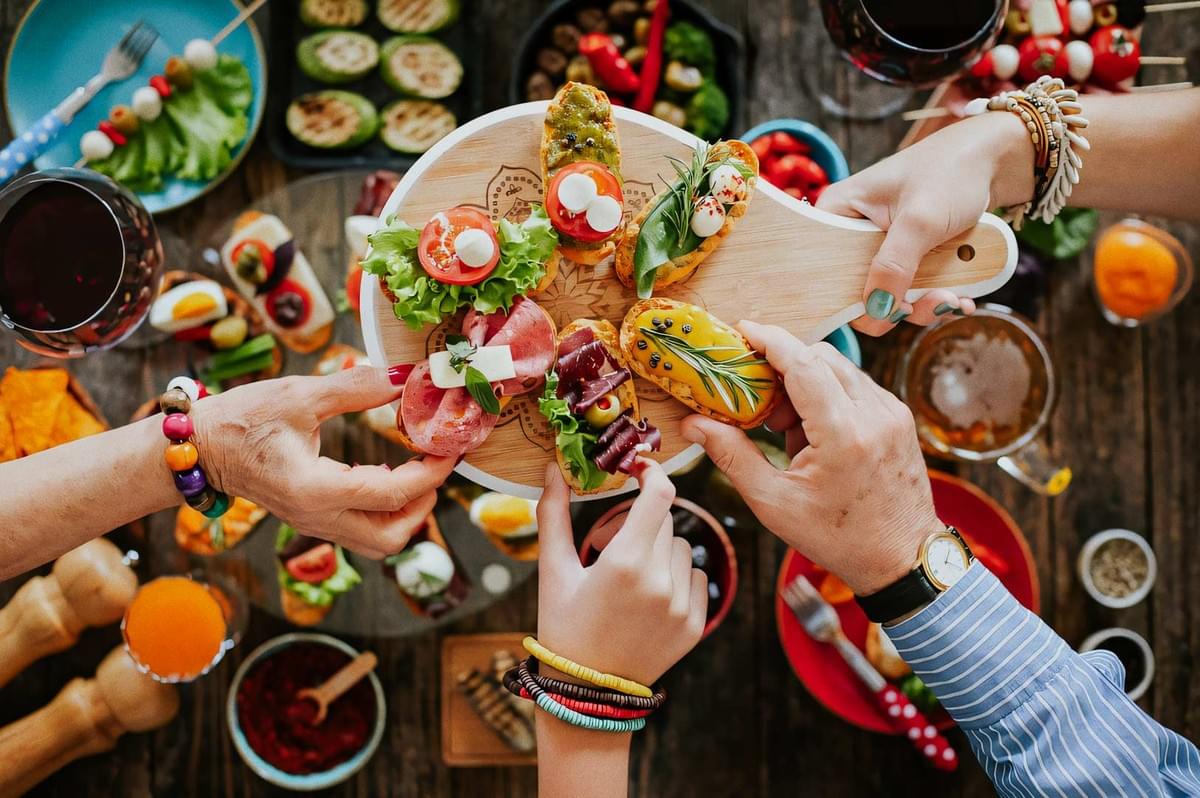
Why is sharing a variety of small plates so effective at building community? The psychology behind it is fascinating. A traditional dinner with large, individual entrées can create invisible walls. Your plate is your territory. Tapas culture breaks down these barriers.
The enjoyment of eating together in a lively, communal setting enhances the overall experience, making each meal more memorable. Consider bringing these communal dining principles to your next dinner party to create a more engaging and connected atmosphere.
Encouraging Interaction and Sharing
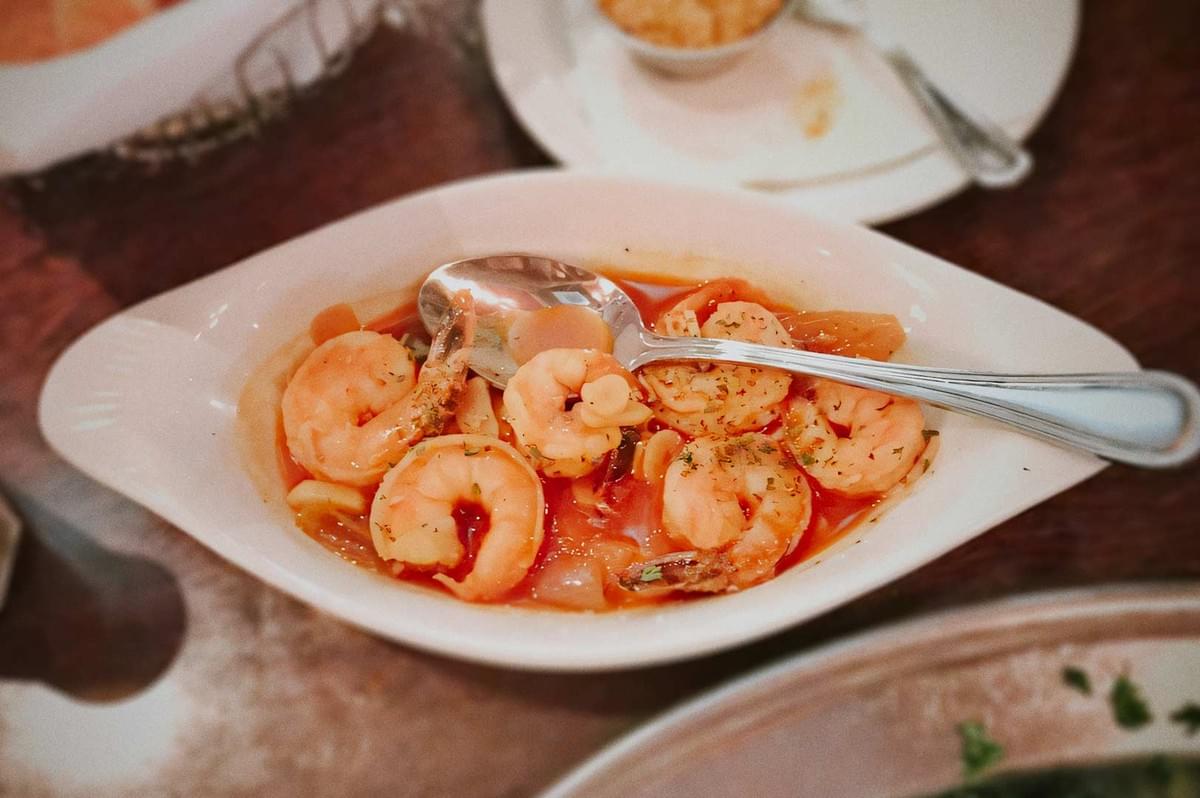
When a platter of gambas al ajillo (garlic shrimp) or a board of Manchego cheese arrives at the table, it becomes a communal focal point.
- It Sparks Conversation: “Have you tried this?” or “You have to taste the chorizo al vino!” are natural conversation starters that get people talking.
- It Promotes Movement: A tapas-style gathering encourages guests to move around, reaching for different dishes and mingling with different people.
- It Creates a Shared Experience: Everyone at the table partakes in the same flavors, creating a collective memory and a stronger sense of togetherness. This simple act of sharing food is a fundamental human bonding experience. Tapas make it easy for guests to eat a variety of flavors and enjoy the meal without feeling overly full.
How to Host an Unforgettable Spanish Tapas Night: Great Ideas for Low Stress Hosting
Bringing the spirit of a Spanish tapas night into your home is easier than you might think. It’s less about culinary perfection and more about creating a relaxed, welcoming, and social atmosphere. These tips will help you plan your next party with confidence and ease.
Much like cocktail parties, a Spanish tapas night is all about enjoying a casual, festive gathering where small dishes and drinks encourage lively conversation and connection.
Setting the Scene with Visual Appeal
The goal is to create an environment that feels casual and encourages mingling.
- Keep it Informal: Don’t worry about formal place settings. Have stacks of small plates and napkins available for guests to help themselves.
- Enhance Visual Appeal: Use colorful tablecloths, ceramic plates, or traditional pottery to boost the visual appeal of your table and create an authentic Spanish atmosphere.
- Create Space for Movement: If possible, arrange your food on a buffet table or kitchen island so guests can circulate freely.
- Curate a Spanish Playlist: Music is essential for setting the mood. Search for playlists featuring Spanish guitar, flamenco, or modern Spanish pop to add an authentic touch.
Featuring Regional Delights: Galician Empanada and Pimientos de Padrón
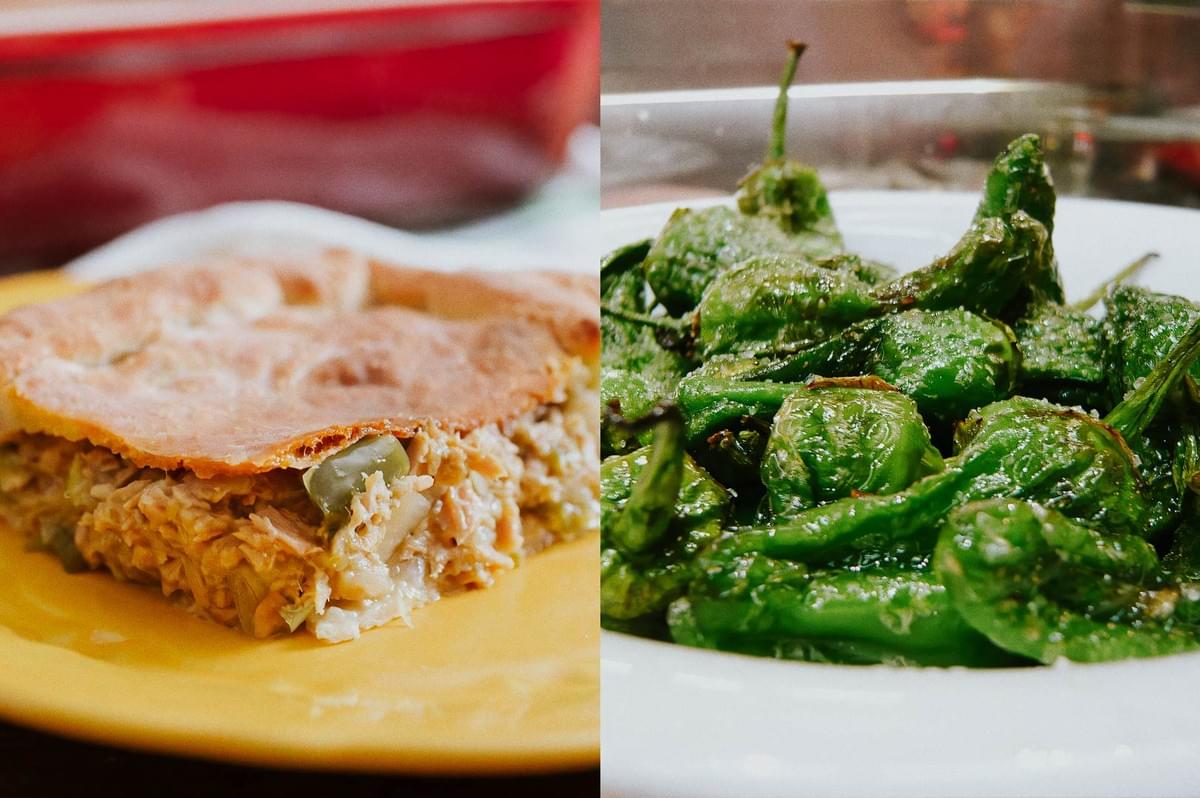
To enrich your Spanish tapas night ideas, incorporating regional specialties like galician empanada and pimientos de Padrón adds authentic depth and variety to your menu. The galician empanada is a traditional large pie originating from the Galicia region in northwest Spain. Filled with savory ingredients such as tuna, onion, and green bell pepper, this hearty dish offers a delightful contrast to smaller tapas and serves as a satisfying centerpiece for your gathering.
Complementing the empanada, pimientos de Padrón are small green peppers blistered in olive oil and sprinkled with coarse sea salt. These peppers are a beloved culinary tradition in Spain, known for their mild flavor with the occasional spicy surprise. They are easy to prepare and perfect as a standout tapa that invites guests to savor the simple yet bold flavors characteristic of Spanish cuisine.
Including these dishes in your tapas spread not only showcases the wide array of Spanish snacks but also invites your guests to experience the rich regional diversity that makes Spanish tapas culture so vibrant and memorable.
Building Your Tapas Menu: A Mix of Cooked and Easy Appetizer Tapas Recipes
Before you start cooking, make a list that includes all the recipes you plan to serve. Finding the perfect recipe for each dish will help you organize your menu and ensure you have every ingredient you need, avoiding last-minute trips to the store.
The key to a successful tapas menu is variety and balance. Tapas are all about a selection of small bites that are easy to share and enjoy. Cooking tapas can be a fun and interactive part of the hosting experience, letting you experiment with different techniques and bold flavors. Aim for a mix of hot and cold dishes, different textures, and flavors that range from savory to salty to fresh. Be sure to include vegetarian options to accommodate various dietary needs so everyone at your gathering is included. There is a wide array of foods you can include in your tapas menu, from seafood and meats to cheeses and vegetables. Dishes like patatas bravas and croquetas are considered great party food because they are easy to serve, share, and eat with your hands. Don’t try to make everything yourself! A combination of store-bought and homemade items is the secret to a low stress hosting experience.
Easy, No-Cook Tapas and Cheese Board Ideas
Start with these simple items that require assembly at most.
- Aceitunas: A bowl of high-quality Spanish olives.
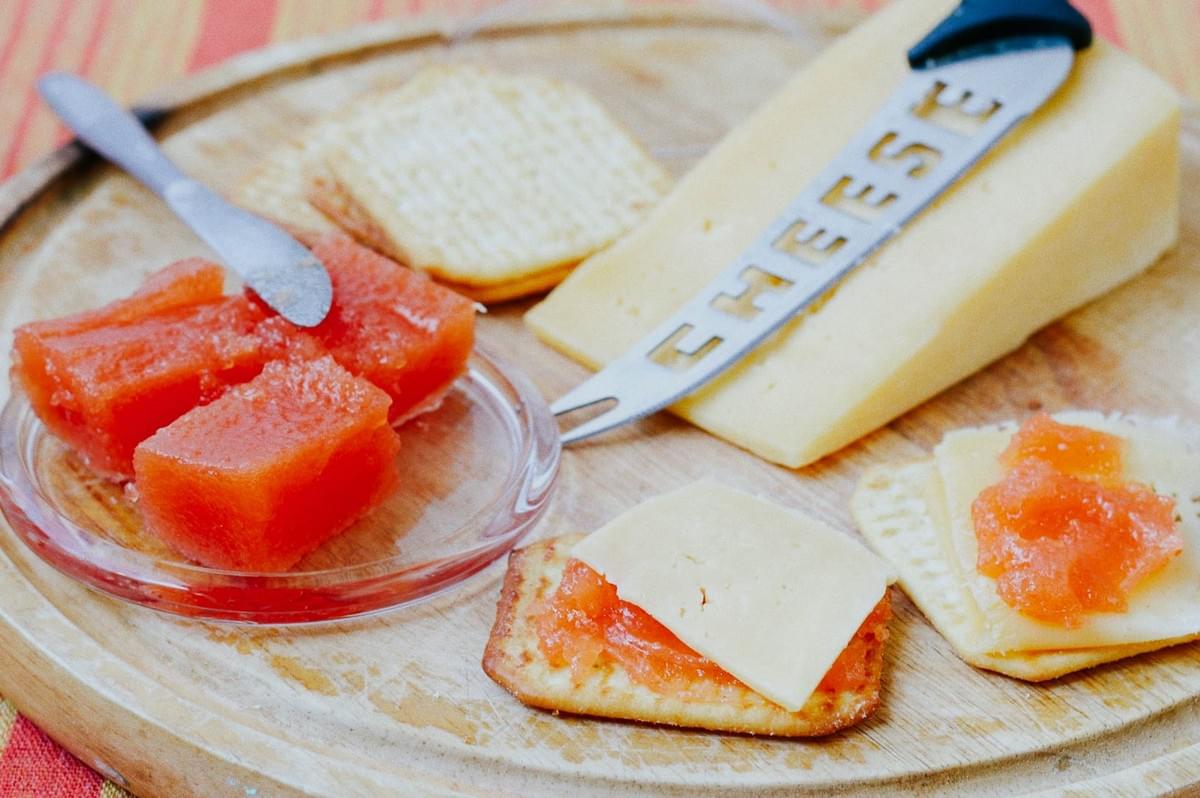
- Queso Manchego con Membrillo: Slices of nutty Manchego cheese served with sweet quince paste, a true delicacy that perfectly balances savory and sweet.
- Cheese board: Create a cheese board featuring a variety of Spanish cheeses, such as Manchego, Mahón, and Spanish blue cheese, for a no-cook, crowd-pleasing option.
- Charcuterie board: Assemble a charcuterie board with Spanish cured meats like chorizo, lomo, and traditional serrano ham to add authentic flavor and visual appeal.
- Meat and cheese board: Offer a meat and cheese board that combines both Spanish cheeses and cured meats for a versatile and attractive grazing platter, perfect for meat lovers.
- Jamón Serrano or Chorizo: Thinly sliced cured meats are a must.
- Pan con Tomate: The simplest and most beloved tapa. Toast slices of good bread, rub them with a fresh garlic clove, and top with grated ripe tomato, a drizzle of extra virgin olive oil, and a sprinkle of salt.
Simple, Cooked Tapas and Standout Tapa Dishes
These dishes can be made ahead or cooked quickly.
- Gambas al Ajillo (Garlic Shrimp): Sizzling shrimp cooked in olive oil with copious amounts of garlic and a pinch of chili flakes, finished with a squeeze of lemon juice for brightness. Serve with crusty bread for dipping in the delicious oil.
- Patatas Bravas: Crispy fried potatoes served with a spicy tomato sauce and often a garlic aioli. Enhance the flavor with smoked paprika in the sauce. You can roast the potatoes instead of frying to make it easier. Serve with crusty bread to soak up the sauce.
- Chorizo al Vino Tinto: Spanish chorizo sausage sliced and simmered in red wine until the wine reduces to a rich glaze, a favorite tapa recipe that brings bold flavors to your table.
- Tortilla Española: A classic Spanish omelet made with eggs, potatoes, onions, and red pepper for extra flavor and color. Add a pinch of pepper to enhance the taste. It’s served at room temperature and can be made hours in advance.
- Quick Spanish Tortilla with Potato Chips: For a shortcut, use potato chips instead of fresh potatoes to make a fast and flavorful Spanish tortilla.
- Meatballs (Albondigas): Spanish meatballs simmered in a rich tomato sauce are a classic tapas option that adds variety to your spread.
- Galician Empanada: A traditional large pie-style galician empanada filled with tuna, onion, and green bell pepper, offering a hearty and authentic Spanish dish.
- Blistered Peppers: Serve blistered peppers, such as shishito or piquillo, simply seasoned and charred for an authentic tapa.
- Pimientos de Padrón: These small green peppers are blistered in olive oil and sprinkled with sea salt, making them a traditional Spanish tapa.
Tips for a Low Stress Gathering
- Prep in Advance: Do as much as you can before your guests arrive. Chop vegetables, make sauces, and assemble any cold tapas.
- Don’t Overdo It: Aim for 5-7 different types of tapas. It’s better to have a smaller selection of well-executed dishes than to be overwhelmed in the kitchen.
- Embrace the Potluck: There is nothing more communal than asking friends to contribute. Ask one friend to bring a bottle of red wine, another to bring cheese, and another to bring dessert.
- Focus on Serving: Pay attention to the presentation and arrangement when serving tapas—attractive plating enhances the overall dining experience and visual appeal.
Tapas Party Ideas: Meat and Cheese Board and Small Bites for Your Next Dinner Party
When planning your next tapas gathering, let Spanish culinary heritage inspire a refined experience. Embrace a curated vision—honoring Andalusian traditions, coastal seafood artistry, or vegetarian Spanish cuisine. Thoughtfully compose a menu blending beloved ancestral dishes with contemporary interpretations.
Anchor your selection with patatas bravas, featuring crispy potatoes under a spicy tomato sauce, alongside tortilla española, the classic egg and potato masterpiece. Gambas al ajillo offers aromatic garlic shrimp, complemented by silken garlic aioli for dipping and an artisanal assortment of Spanish cheeses and charcuterie reflecting regional craftsmanship. Include galician empanada and chorizo al vino to showcase regional depth.
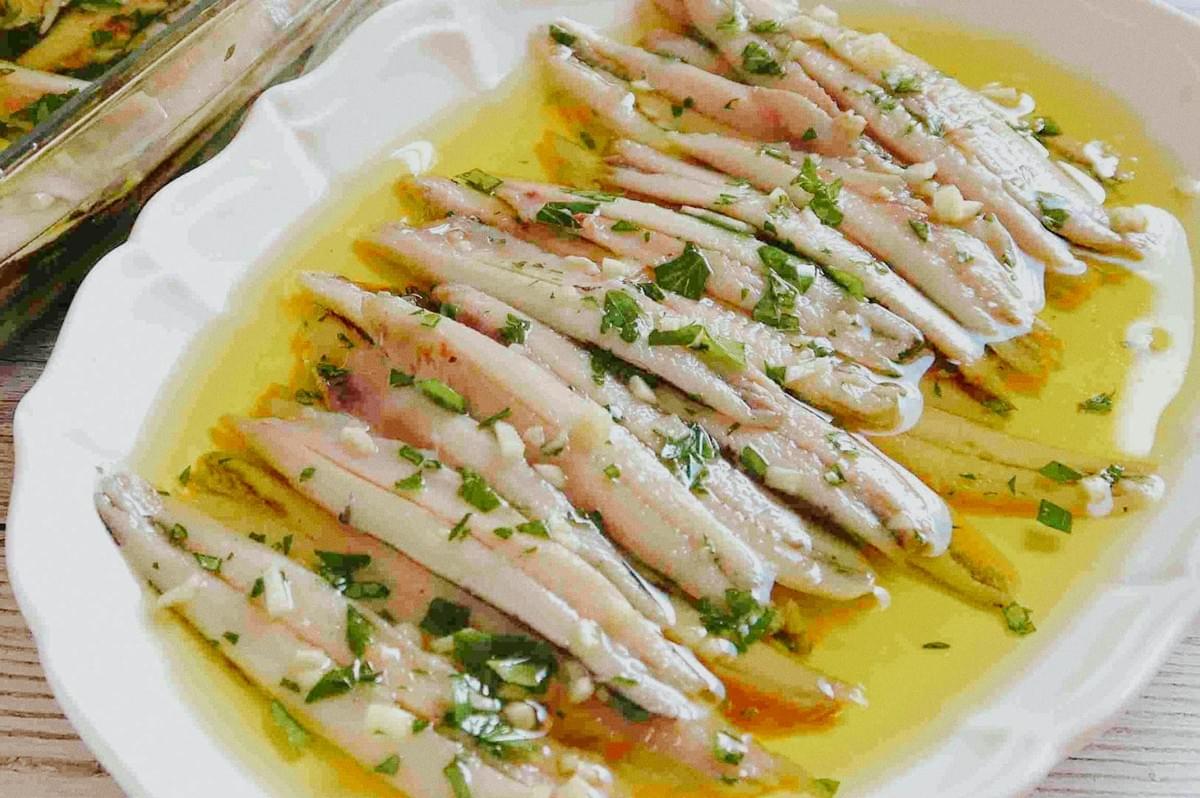
Incorporate pimientos de padrón, boquerones en vinagre, and la gallega for variety. Tender meatballs simmered in sauce and artisanal chorizo provide hearty options. The best tapas gatherings encourage guests to explore small plates unhurriedly, fostering connection through authentic flavors. Embrace simplicity, honor premium ingredients, and cultivate generous hospitality—your guests will leave with enriched souls and awakened palates, cherishing the contemplative art of Spanish cuisine.
The Perfect Pairings: Red Wine and More for Your Tapas Experience
Wine is central to the tapas experience. The goal is to choose versatile wines that complement a wide range of flavors, allowing guests to select from a variety of wine and drink options to suit their preferences.
- For Red Wine: A Spanish Rioja Crianza is a classic choice. It’s medium-bodied with balanced fruit and earth notes that pair well with cured meats and savory dishes. When serving red wines, ensure they are slightly below room temperature to best highlight their flavor profiles.
- For White Wine: A crisp, dry Spanish white like an Albariño or a Verdejo is perfect for cutting through the richness of fried tapas and pairing with seafood.
- Don’t Forget Sherry: A dry Fino or Manzanilla sherry is the traditional and arguably best pairing for olives and salty Jamón.
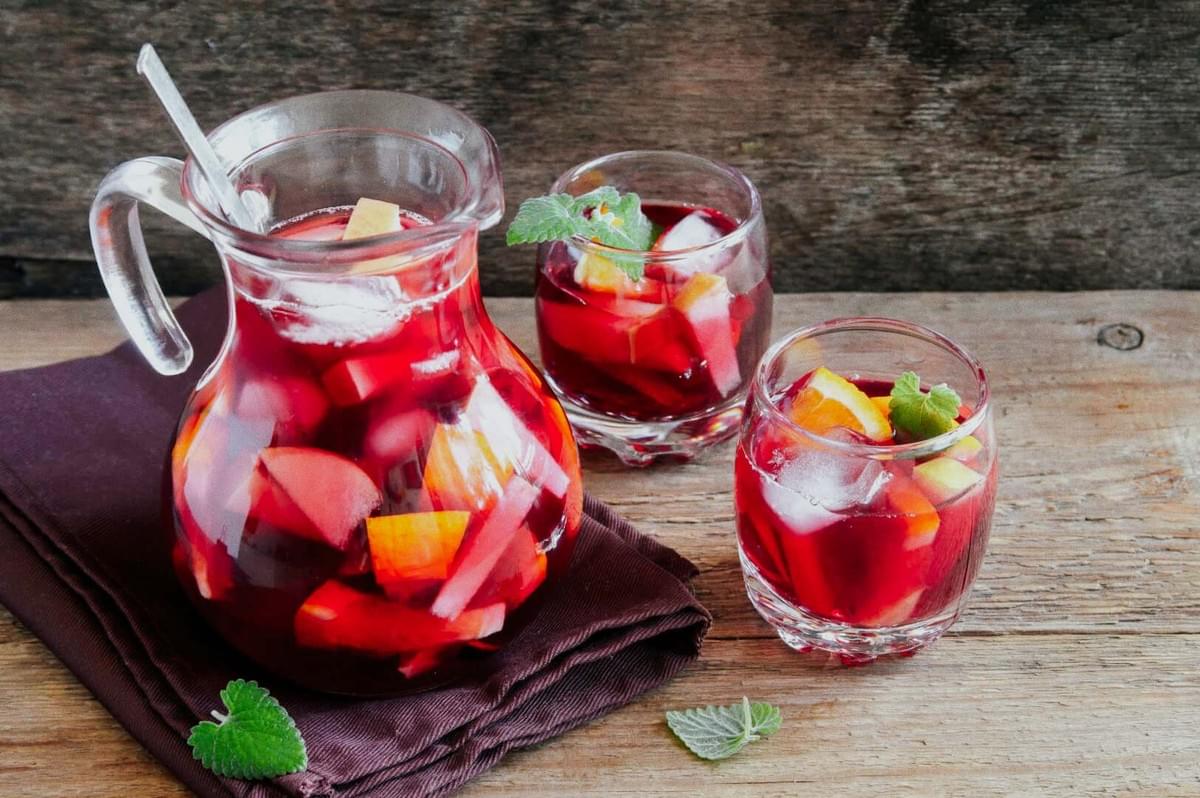
- Sangria: For a festive, crowd-pleasing option, a pitcher of homemade sangria is always a hit. Consider using sparkling water as a mixer to add a refreshing effervescence to your sangria or other Spanish-inspired cocktails.
Building Your Community, One Plate at a Time
In a world that often feels disconnected, the Spanish tapas tradition offers a beautiful and delicious template for reconnection. It reminds us that food is not just fuel; it’s a medium for creating and nurturing relationships. The act of sharing small plates breaks down barriers, encourages interaction, and transforms a simple gathering into a vibrant, communal celebration.
So, this weekend, I encourage you to step away from the formal dinner party. Invite your friends over, open a bottle of Rioja, and fill your table with a colorful array of small dishes. Don't stress about perfection. Embrace the beautiful, chaotic energy of a shared meal and watch as the magic of tapas helps you build a stronger community, one delicious bite at a time. For more inspiration on hosting unforgettable gatherings and discovering great food experiences, be sure to visit Expat Eat SG— your go-to guide for culinary adventures abroad.
