

Last Updated Date: July 7, 2026
Jollof rice. The mere mention of it sparks passionate debates, mouthwatering cravings, and a sense of pride across West Africa. This iconic dish is more than just a meal—it’s a cultural symbol, a point of national pride, and a delicious representation of the region’s rich culinary heritage. West African foods are known for their diversity, vibrant flavors, and deep cultural significance, reflecting the traditions and history of the region. But what makes Jollof rice so special? Why does it inspire both fierce rivalry and deep connection among its fans? Let’s dive into the history, regional variations, and the spirited competitions that make Jollof rice one of West Africa’s most beloved dishes.
Introduction to West African Cuisine
West African cuisine emerges as an exquisite sanctuary of culinary heritage, where centuries of contemplative tradition have been meticulously woven into a tapestry of extraordinary refinement. Across sixteen carefully curated nations—including Nigeria, Ghana, Senegal, and Sierra Leone—this artisanal food culture reveals itself through the masterful orchestration of aromatic spices and indigenous herbs, each ingredient selected with the reverence of ancient wisdom. The region's gastronomic philosophy has been shaped by sacred geography, meditative trade traditions, and the gentle confluence of colonial influences, yielding a sophisticated harmony between indigenous craftsmanship and global sensibilities.
Whether through the ceremonial sharing of meticulously prepared rice or the contemplative rituals found within bustling urban sanctuaries, food transcends mere sustenance to become the very essence of West African serenity. Signature creations like jollof rice, thieboudienne, and groundnut stew are not simply nourishment—they are carefully curated expressions of community, artisanal creativity, and the enduring, contemplative spirit that flows through the heritage of West Africa.
The History and Origins of Jollof Rice
Jollof rice has its roots in the Senegambian region, specifically the ancient Wolof Empire (also called the Jolof Empire), which existed between the 14th and 16th centuries in what is now Senegal, The Gambia, and Mauritania. The dish is believed to have evolved from “thieboudienne,” a traditional Senegalese recipe made with rice, fish, tomatoes, and vegetables. In some regions, a similar rice dish is known as 'riz au gras,' highlighting the regional and cultural variations in West African cuisine. The original form of Jollof rice is often referred to as the Senegalese version, emphasizing its unique preparation and ingredients as originated in Senegal.
As trade and migration spread across West Africa, so did the love for this tomato-based rice dish. Over time, Jollof rice was adapted by different countries, each adding their own unique ingredients and cooking techniques. The use of certain ingredients—such as specific grains, spices, vegetables, and local seasonings—became foundational to each regional adaptation, illustrating the diversity and cultural importance of these components within the cuisine. Today, it’s a staple at parties, weddings, and festivals, symbolizing a shared cultural heritage while also sparking friendly rivalries about whose version reigns supreme.
What is Jollof Rice?
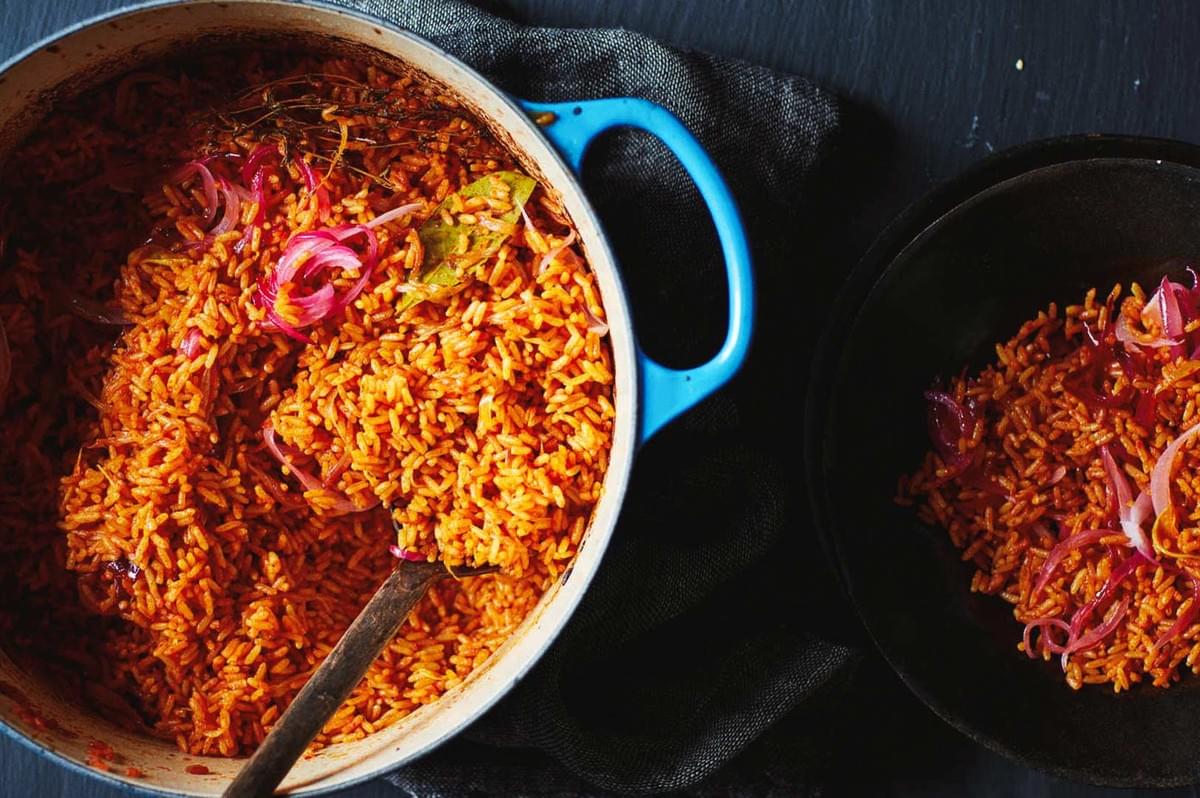
Jollof rice emerges as the exquisite sanctuary of West African culinary heritage—a contemplative one-pot masterpiece that has captured the refined palates and cherished memories of countless souls across the continent and far beyond. Within its artisanal foundation lies meticulously curated long grain parboiled rice, gently simmered in a vibrant symphony of tomato essence, carefully selected onions, aromatic peppers, and a contemplative medley of spices where curry powder mingles with bay leaves in perfect harmony. Each West African nation contributes its own curated refinement to this time-honored tradition: Nigerian jollof rice commands reverence for its bold, fiery character and profound smoky depths that speak to generations of culinary craftsmanship, while Ghanaian jollof rice is celebrated for its serenely aromatic sweetness—a testament to the delicate artistry passed down through ancestral wisdom.
Key National Variations of Jollof Rice
While Jollof rice is a unifying dish, its preparation varies significantly across West African countries, with each nation putting its own spin on the recipe. These variations often reflect personal preference, with ingredients and techniques tailored to local tastes and traditions. Here’s a closer look at some of the most famous versions:
Nigerian Jollof Rice:
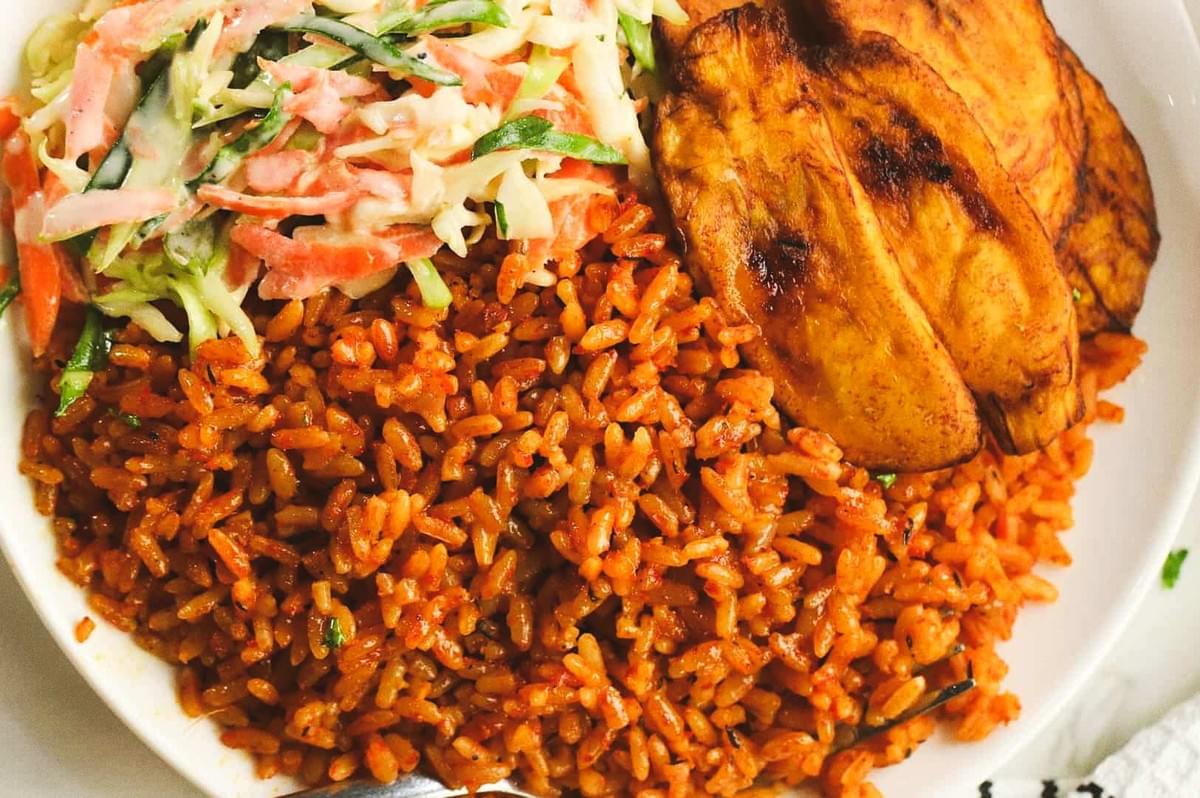
The Nigerian version is known for its vibrant color and bold flavors. Key ingredients include red pepper, onion, a pepper mix (often blended with ginger and garlic), meat stock, beef, oil, and vegetable oil, all of which contribute to its rich taste. The use of these components, along with long-grain parboiled rice, gives the Nigerian Jollof its signature texture and depth.
Ghanaian Jollof Rice:
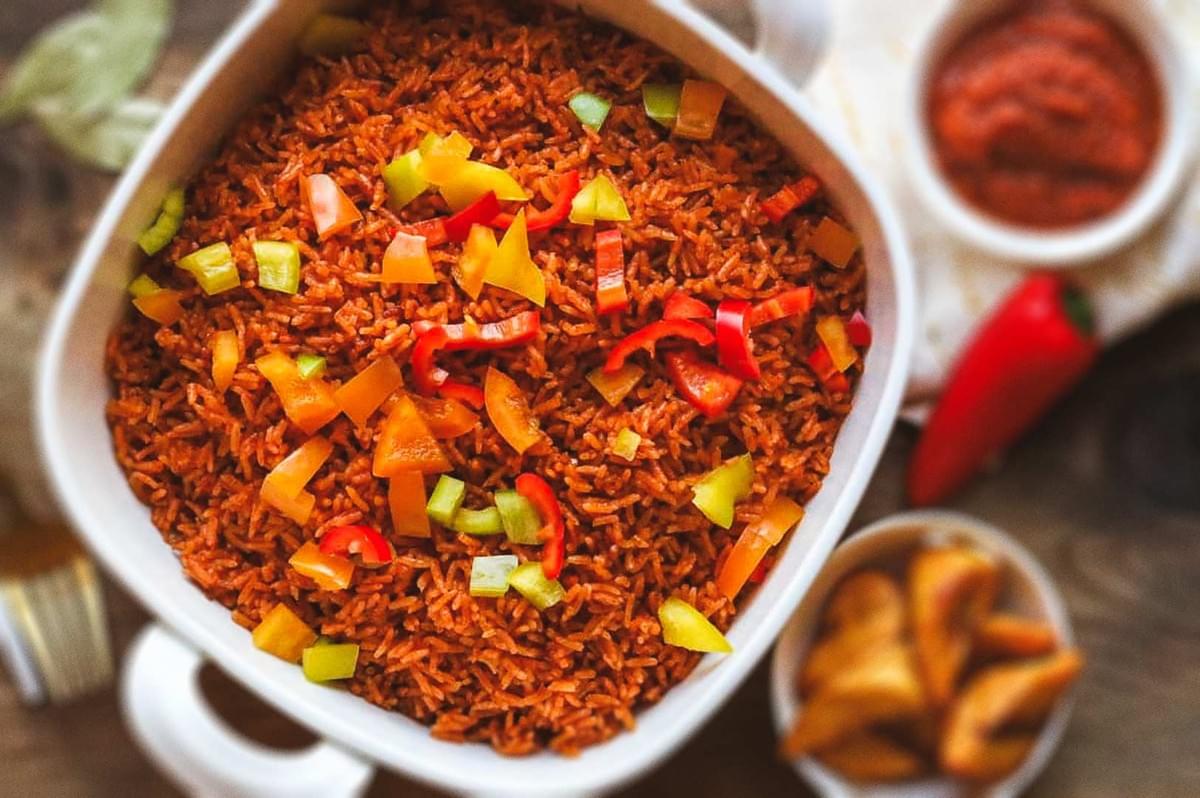
Ghanaian Jollof is characterized by its use of red peppers, which add sweetness and earthiness, as well as a variety of spice and other spices that create a complex flavor profile. The rice is typically cooked with tomato stew, onions, and sometimes mixed vegetables, resulting in a slightly different taste and texture compared to the Nigerian style.
Senegalese Jollof (Thieboudienne):
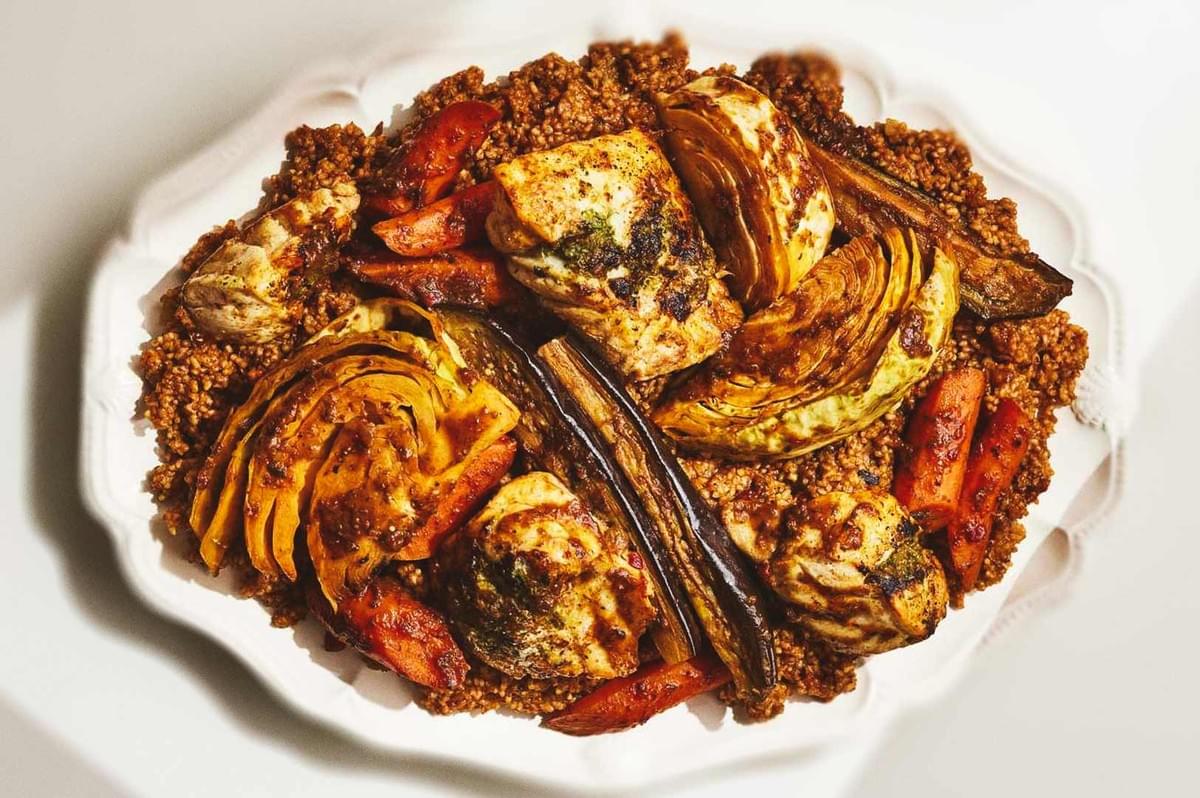
The original Jollof rice, known as Thieboudienne, hails from Senegal and features a diverse array of traditional ingredients. Seafood, white fish, and smoked fish are commonly used, along with root vegetables, mixed vegetables, steamed vegetables, pumpkin leaves, and local grains. These ingredients are simmered together to create a hearty, flavorful dish. Traditional beverages made from the fermented sap of palm trees, such as palm wine, are often served alongside Thieboudienne, highlighting the cultural significance of these elements in Senegalese cuisine.
Other Variations:
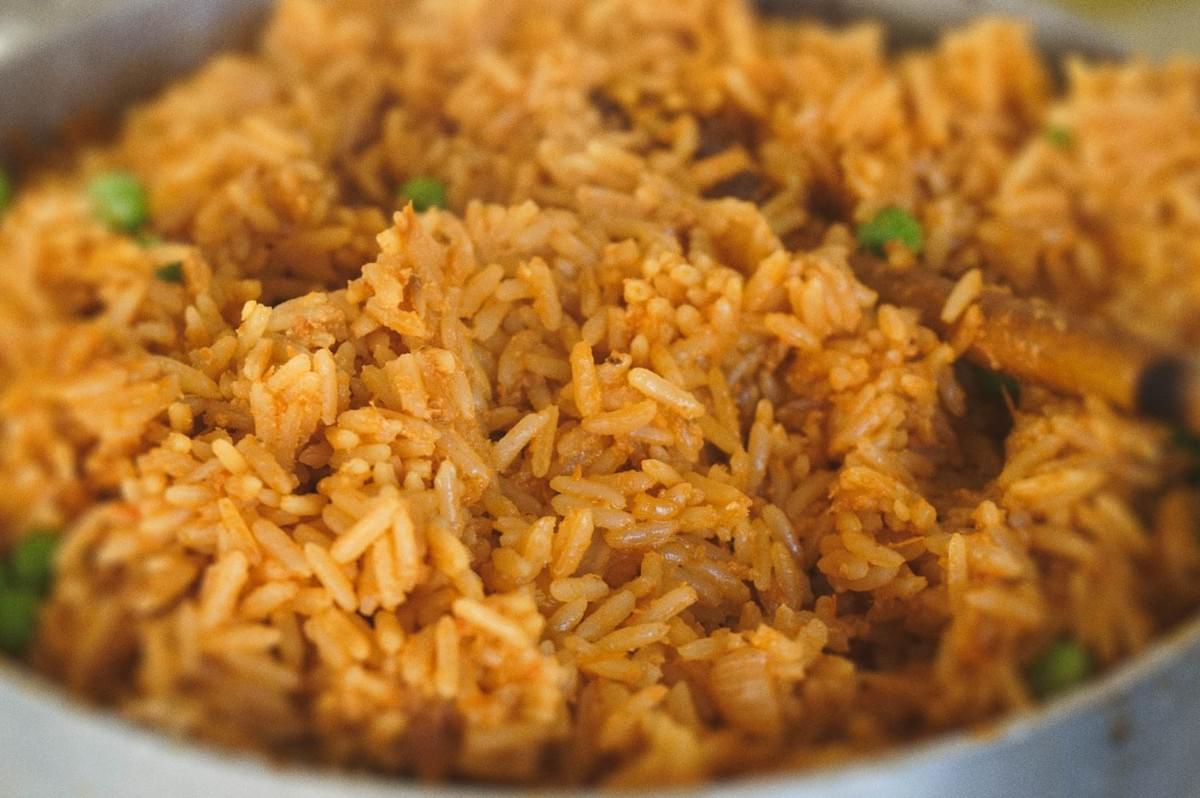
Coconut jollof rice is a popular variation that incorporates coconut milk for added richness and creaminess, resulting in a unique flavor that sets it apart from the classic versions.
No matter the style, the goal is always to achieve a final product with the perfect balance of flavor, texture, and presentation.
Nigerian Jollof Rice
- Flavor Profile: Spicy and smoky
- Key Ingredients: Parboiled long-grain rice, tomato paste, bell peppers, habanero peppers, onions, and a blend of spices (like thyme, curry powder, and bay leaves)
- Cooking Style: Cooked over an open flame to achieve a signature smoky flavor, often accompanied by fried plantains, grilled chicken, or moi moi (a steamed bean pudding).
Nigerian Jollof is bold and flavor-packed, with its signature “party Jollof” distinguished by its slightly charred, smoky taste that comes from cooking with firewood.
Ghanaian Jollof Rice
- Flavor Profile: Rich and well-balanced
- Key Ingredients: Jasmine or basmati rice, tomatoes, onions, ginger, garlic, and spices like nutmeg and cloves
- Cooking Style: Prepared with a base of flavorful tomato stew, often served with fried chicken, coleslaw, or shito (a spicy pepper sauce).
Ghanaian Jollof is known for its slightly sweeter taste, thanks to the use of fragrant rice varieties like jasmine or basmati. The texture is often fluffier compared to other versions.
Senegalese Jollof (Thieboudienne)
- Flavor Profile: Earthy and hearty
- Key Ingredients: Broken rice, fresh vegetables (carrots, eggplant, and cabbage), fish, and fermented ingredients like dried fish or nététou
- Cooking Style: Often cooked with layers of fish and vegetables, with a distinct emphasis on fresh, local ingredients.
As the original version of Jollof, Senegalese thieboudienne is a more complex dish that incorporates fish and vegetables, making it a complete one-pot meal.
Other Variations
- Sierra Leonean and Liberian Jollof: Often incorporate coconut milk for a creamier texture and extra richness.
- Cameroonian Jollof: Sometimes spiced with green herbs for a fresh, aromatic twist.
The Famous "Jollof Wars" and Social Media Debates
If there’s one thing West Africans take seriously, it’s the question, “Who makes the best Jollof rice?” The so-called “Jollof Wars” have become a cultural phenomenon, with Nigeria and Ghana often at the forefront of the debate. This friendly rivalry among West African nations highlights the shared culinary heritage and regional pride in traditional dishes. Social media platforms like Twitter and Instagram are flooded with memes, videos, and heated discussions, as people passionately argue the merits of their national Jollof.
International celebrities and chefs have even weighed in. In 2016, a BBC reporter sparked outrage when she declared Senegalese Jollof superior. Nigerian chef Tunde Wey once created a pop-up event where diners paid based on their loyalty to different versions of Jollof. And let’s not forget the viral videos of blind taste tests that attempt to settle the debate once and for all (spoiler: they never do).
The Jollof Wars may be lighthearted, but they reflect a deeper cultural pride. The debates celebrate the dish’s unifying role while highlighting the distinct flavors and traditions of each country.
Jollof Cooking Competitions and Festivals
Jollof rice is not only a centerpiece of family gatherings but also the star of cooking competitions and food festivals across the globe. At these events, Jollof rice is typically served in large, communal platters, encouraging sharing and highlighting its role as a dish meant for celebration. These events bring together chefs, home cooks, and food enthusiasts to showcase their best Jollof recipes and celebrate West African cuisine.
Notable Events
- Jollof Festivals in the Diaspora: Cities like Washington, D.C., and London host annual Jollof festivals where attendees can sample different versions, vote for their favorites, and enjoy cultural performances.
- Cooking Competitions: Events like the “Jollof Rice Competition” pit chefs from different countries against each other in a spirited battle to win the title of “Best Jollof.”
- Celebrity Showdowns: Some competitions feature celebrity judges or participants, adding an extra layer of excitement to the mix.
These events not only highlight the culinary creativity behind Jollof but also foster a sense of community among West Africans and the diaspora.
While Jollof rice is brought to life through vibrant cooking competitions and celebratory food festivals across West Africa, other culinary traditions express a similar appreciation for precision and artistry in a different form. In Japanese dining culture, omakase experiences highlight the chef’s expertise, where each course is thoughtfully selected to create a structured yet immersive food journey.
This emphasis on trust, refinement, and curated dining can also be seen in curated dining discussions in Singapore’s Japanese restaurant scene, where chef-led tasting menus are often praised for their attention to detail and ingredient quality.
Why Jollof Rice Is So Beloved
Jollof rice is more than just a dish—it’s a cultural icon. Its popularity stems from its versatility, affordability, and ability to bring people together. Here’s what makes Jollof so special:
- A Symbol of Community: Whether it’s cooked for a family dinner or a wedding feast, Jollof rice represents togetherness and celebration. In the same way, dishes like paella in Spain or biryani in South Asia serve as focal points for communal gatherings in their respective cultures.
- Adaptability: Jollof can be customized to suit individual tastes, dietary preferences, and available ingredients.
- Cultural Identity: For many West Africans, Jollof rice is a source of pride, representing their nation’s culinary traditions on the global stage.
Above all, Jollof rice is a testament to the creativity and resilience of West African cuisine. It has transcended borders and continues to evolve, bringing joy to anyone lucky enough to try it.
Conclusion: Celebrating the Diversity of Jollof Rice
Jollof rice is more than just a meal—it’s a celebration of West African culture, history, and community. From its origins in the Wolof Empire to its modern-day role as a symbol of national pride, Jollof has captured the hearts (and stomachs) of millions around the world. Whether you prefer the smoky depth of Nigerian Jollof, the fragrant sweetness of Ghanaian Jollof, or the hearty richness of Senegalese thieboudienne, one thing is certain: Jollof rice is a dish worth celebrating.
So, why not try making your own version at home? Experiment with different recipes, attend a Jollof festival, or simply explore the vibrant world of West African cuisine and other cuisines at Expat Eat SG. Whatever you do, make sure to bring an appetite—and maybe prepare for a friendly debate along the way.
