

There’s a peculiar magic that happens when you’re living abroad and a familiar taste sneaks up on you, sudden and unbidden, like a memory brushing your shoulder. A dash of turmeric on a rainy afternoon can feel like a whisper from home. The smoky tang of grilled lemongrass at a hawker stall can make your heart expand and contract at the same time, like a sigh and a laugh folded into one breath.
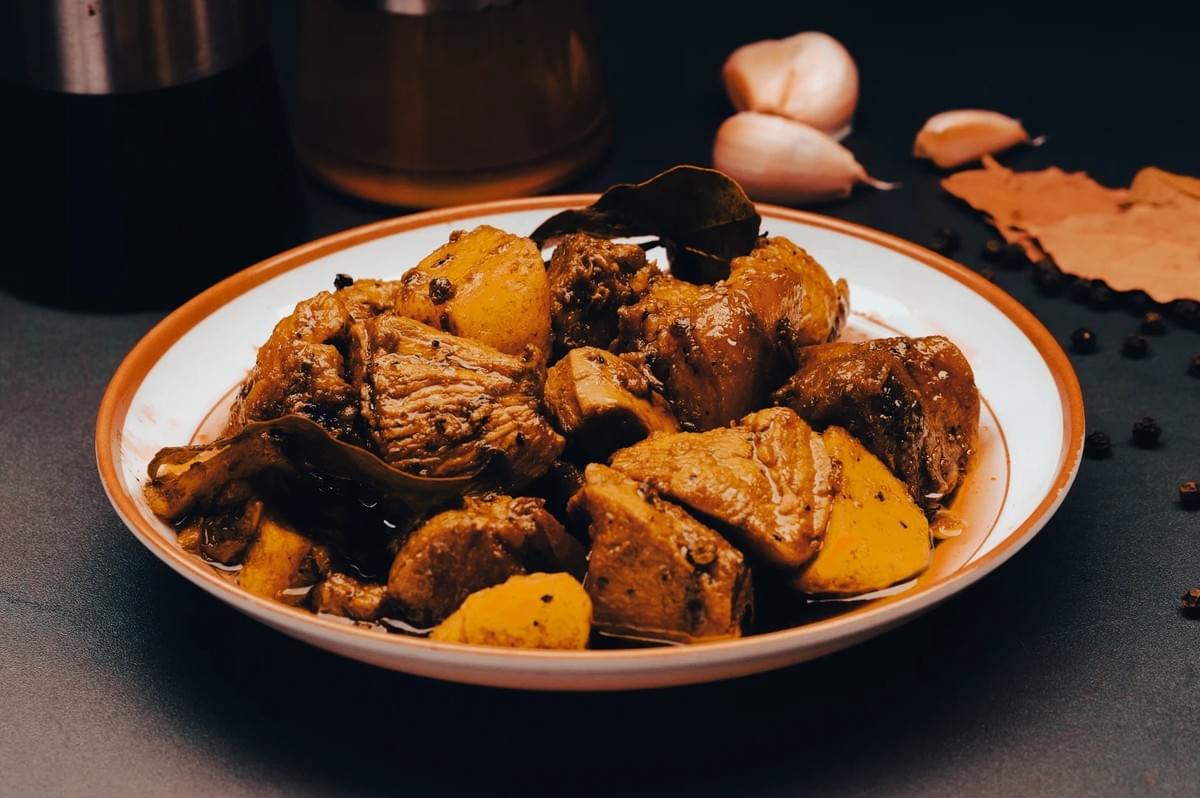
In those moments, food stops being just sustenance. It becomes a language, a way of narrating who you were, who you are, and who you are becoming. I remember the first time I tried to recreate my mother’s chicken adobo in a tiny foreign kitchen, substituting ingredients I could barely pronounce. The dish looked more like an abstract painting than comfort food, but the first spoonful carried me back to Sunday afternoons in our old home, sunlight on cool tiles, laughter drifting in from the next room.
As expatriates, our relationship with food is often a delicate balancing act, craving familiarity while chasing novelty. In Singapore, where every street sings with flavors from every corner of Asia and beyond, that balance becomes something of an art form. You will find expats dissecting the layers of a rich laksa broth with reverence, and equally revering the simple warmth of kopi at dawn. Every bite feels like both a discovery and a reunion.
It is this quiet intimacy between memory and flavor that platforms like ExpatEat understand so well. Food is never just about taste. It is about belonging. It is about finding pieces of yourself scattered across markets, hawker centres, and shared tables in unfamiliar cities.
Curiously, the food scene here also reflects how dining is transforming, not just for locals but for the global community gathered around these communal spaces. If you are curious about what dining in Singapore looks like in 2026, the evolving tastes, the rise of new culinary narratives, and the pulse of a gastronomic city, you can read more about dining in Singapore to get the full picture of the culinary landscape that awaits.
This dance between the familiar and the new is what makes eating abroad such a layered experience. A bowl of ramen might feel like a quiet embrace from a distant shore. A plate of fusion tacos might spark an unexpected friendship. Food becomes storytelling in its most edible form, a way to stitch together scattered pieces of self into something that feels whole again.
And maybe that is the secret expatriate recipe. Savor every moment, every taste, every laugh and gentle misstep around the table. Because in the end, the best meals are not only about flavor. They are about the stories we carry in our mouths and hearts, the ones that remind us why we left, and why we stay.
— The Wandering Spoon
