

There is something slightly strange about the way we eat sushi today. We associate it with hushed counters, long omakase menus, carefully timed courses, and meals that can stretch comfortably into the evening. Sushi has become an occasion.
But sushi did not begin that way.
In Edo-period Japan, nigiri sushi was street food: fresh fish pressed over seasoned rice, made quickly and eaten on the spot. It was practical, immediate and designed for people who had somewhere else to be. That history is what makes Sushi To Sumi in Raffles Place so interesting. The restaurant takes the idea of tachigui, or standing dining, and places it right in the middle of Singapore's CBD, where a lunch break can be measured in minutes.
The first thing you notice is the lack of chairs. During lunch, diners stand at the counter, watch the chef work and eat their sushi directly in front of him. It sounds unusual until you understand the history behind it. Suddenly, standing for sushi does not feel like a novelty. It feels like a small return to where the food came from.
Sushi Was Fast Food Before It Became Fine Dining
For anyone who has recently moved to Singapore and is still learning the city's Japanese dining culture, Sushi To Sumi offers an interesting introduction because the restaurant is as much about how you eat as what you eat.
The idea of standing sushi, or tachigui sushi, is rooted in Japan's urban food culture. Sushi was designed to be convenient, fresh and quick, particularly in the busy streets of Edo. Diners could stop at a stall, have a few pieces prepared in front of them and continue with their day.
That spirit feels surprisingly appropriate in Raffles Place.
At lunchtime, the surrounding CBD is doing what it does best: people rushing between meetings, lifts filling up, phones ringing and everyone quietly calculating how much time they have before the next appointment. Sushi To Sumi fits neatly into that rhythm. Its lunch experience is designed to take around 30 to 45 minutes, rather than turning sushi into a three-hour event.
There is something refreshing about that. You are not being asked to make an entire afternoon out of lunch. You are simply being given good fish and enough time to appreciate it.
A Standing Sushi Bar Built Around the Fish
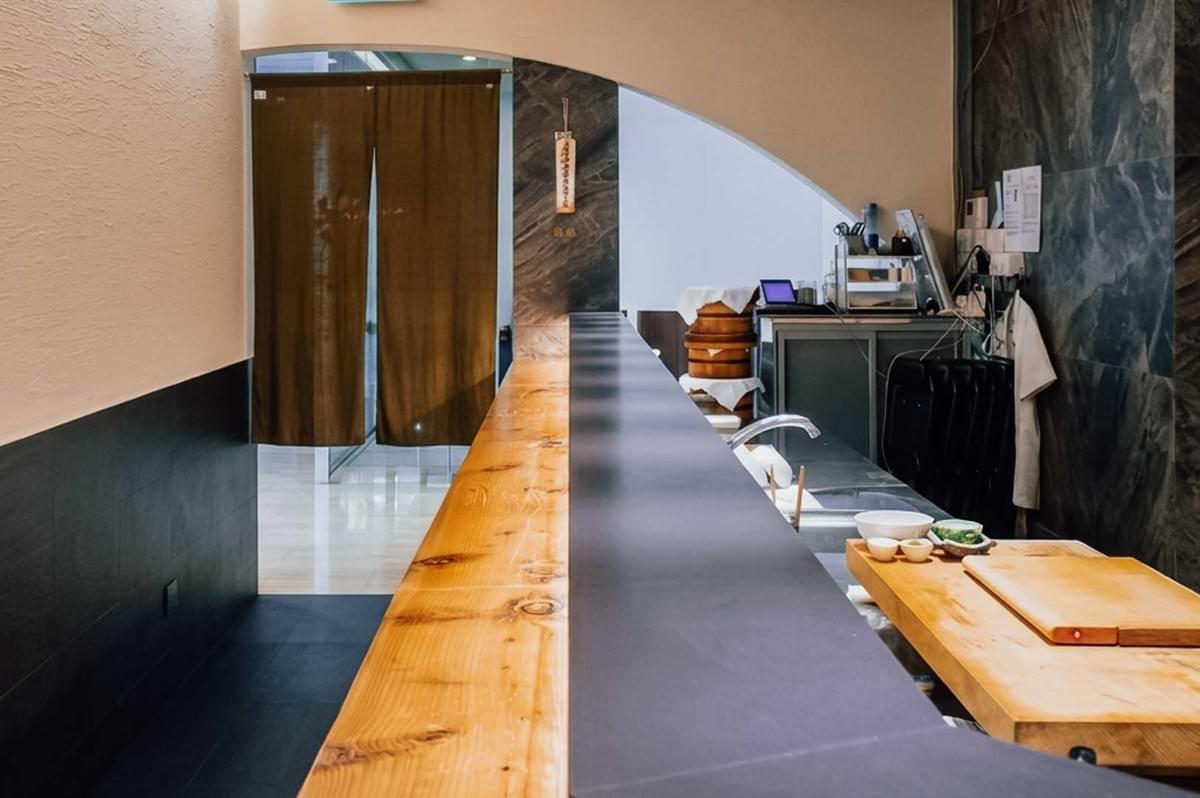
The format might be what gets you through the door, but the food is what makes the concept work.
Sushi To Sumi was founded by Araya-san, the man behind Japanese fishmonger Araya Shouten. That background matters because the restaurant's philosophy begins with sourcing rather than presentation. The restaurant describes itself as starting with the fishmonger and then building the sushi bar around what the seafood deserves
The daily menu follows that philosophy. Rather than relying entirely on a fixed selection, the chef decides what to serve according to what is available and in season. One day might bring a particular fish that is ideal for nigiri; another might call for charcoal grilling instead.
That flexibility is one of the pleasures of the experience. You are not simply ordering from a predetermined list of favourites. You are eating according to what Japan's waters are offering at that moment.
It also gives the chef room to decide how each fish should be treated. Some are better as sashimi, some as nigiri, while others benefit from the heat of charcoal. The restaurant's name, Sushi to Sumi, literally brings those two ideas together: sushi and charcoal.
Sushi and Fire at the Same Counter
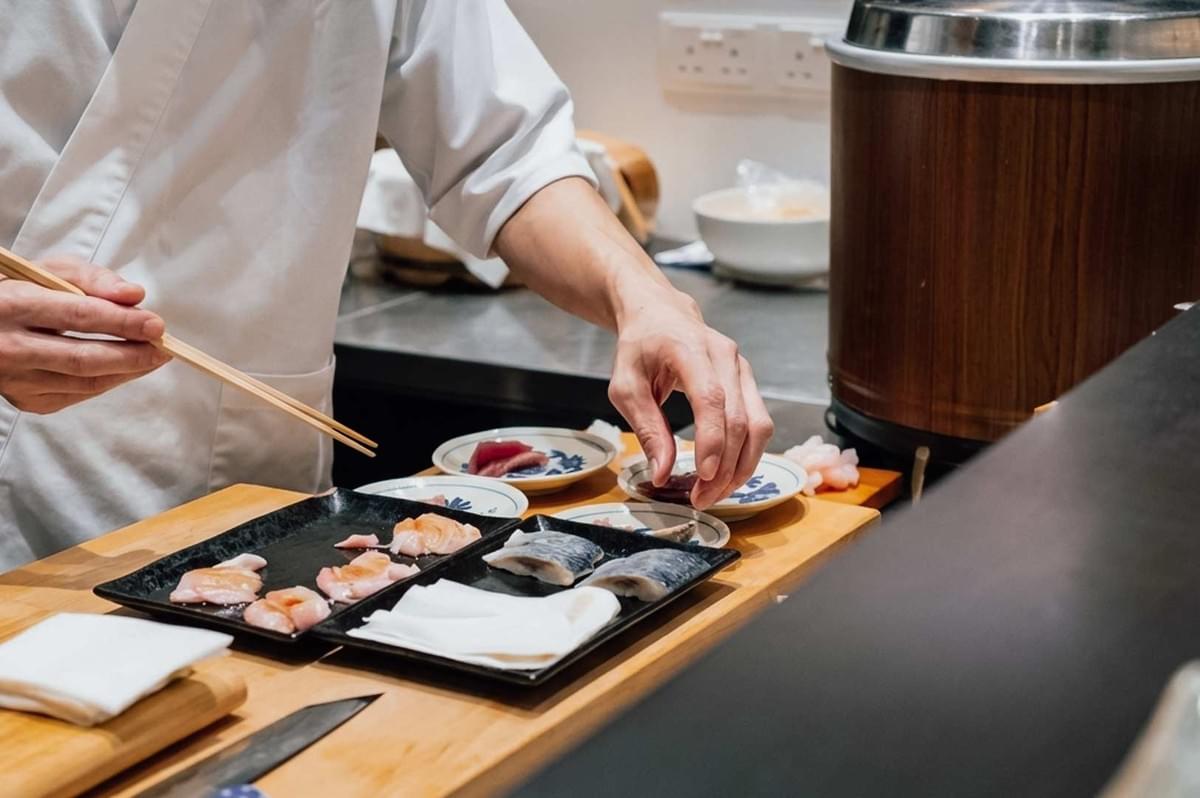
The charcoal side of the restaurant adds another dimension to what could otherwise be a very focused sushi experience.
Sushi To Sumi uses binchotan, Japanese white charcoal, for its grilled and aburi preparations. The smoke is clean and the heat is intense, creating a completely different expression of seafood from the chilled precision of nigiri.
It is a useful reminder that Japanese food does not need to choose between raw and cooked. A meal can move between the two naturally.
There is also a thoughtful approach to using the whole fish. Fish bones can become soup, while the kama, or collar, can be grilled rather than discarded. It is a practice rooted in Japanese cooking and particularly meaningful given the restaurant's connection to a fishmonger.
For me, this is where the restaurant's story becomes more convincing. The standing counter is easy to photograph and easy to talk about, but the deeper idea is respect for the ingredient. The restaurant is trying to make the fish the centre of the experience, not the ceremony around it.
Omakase Without the Three-Hour Commitment
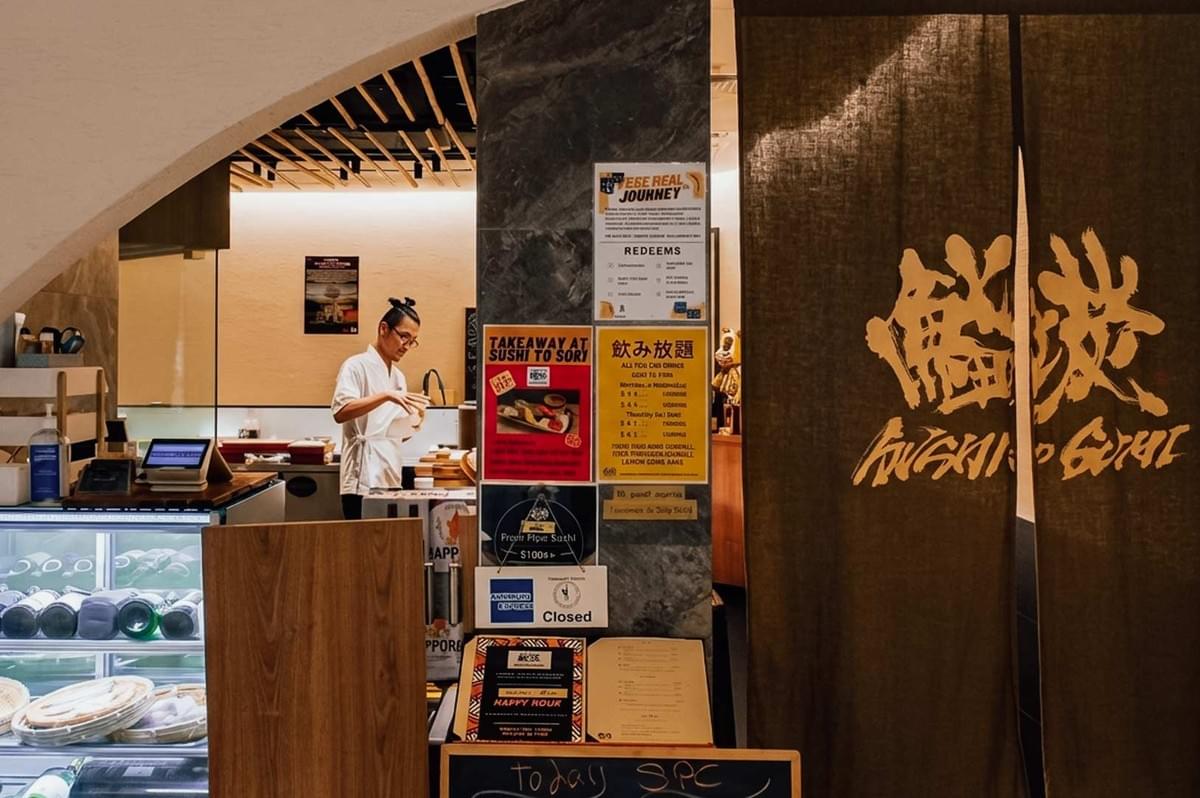
Of course, Sushi To Sumi is still operating within Singapore's modern sushi landscape, where diners have become accustomed to premium omakase and increasingly elaborate dining experiences.
Its proposition is therefore an interesting one: what if you kept the quality and removed some of the time?
The restaurant currently positions its roughly $108 omakase as a way to experience fish of a grade more commonly associated with significantly more expensive counters, while keeping the meal to roughly 30–45 minutes.
That does not mean Sushi To Sumi is trying to replace a long omakase dinner. The two experiences serve different purposes. A leisurely sushi counter can be an occasion in itself. Sushi To Sumi is more interested in making serious sushi fit into an ordinary day.
And that distinction is important.
For an expat working in Singapore, there is something particularly appealing about finding a restaurant that does not require an elaborate plan. You can come alone. You can eat well. You can watch the chef prepare the food. Then you can return to the office.
A Little Tokyo in the Middle of Raffles Place
Perhaps the most enjoyable thing about Sushi To Sumi is that it does not feel as though the standing format has been added simply to make the restaurant different.
It has a reason.
The counter, the seasonal menu, the close interaction with the chef and the quick pace all make sense once you understand the tachigui tradition. What initially feels unconventional starts to feel completely logical.
And that is what makes Sushi To Sumi more than another Japanese restaurant in Singapore. It offers a small lesson in food history without turning the experience into a lecture.
Sushi was once everyday food. It was quick, fresh and eaten by people who had somewhere to go. At Sushi To Sumi, that old idea has found a surprisingly natural home in modern Singapore. The chairs can stay away. For once, standing is the point.
