

The first time it really landed for me, I wasn't even hungry.
It was past nine on a Sukhumvit side street. The air still held the day's heat, thick and close. A cart stood half in shadow, a single bulb swinging above it. The vendor — an older woman, sleeves rolled, hair pinned back — moved like she'd done this ten thousand times. Because she had.
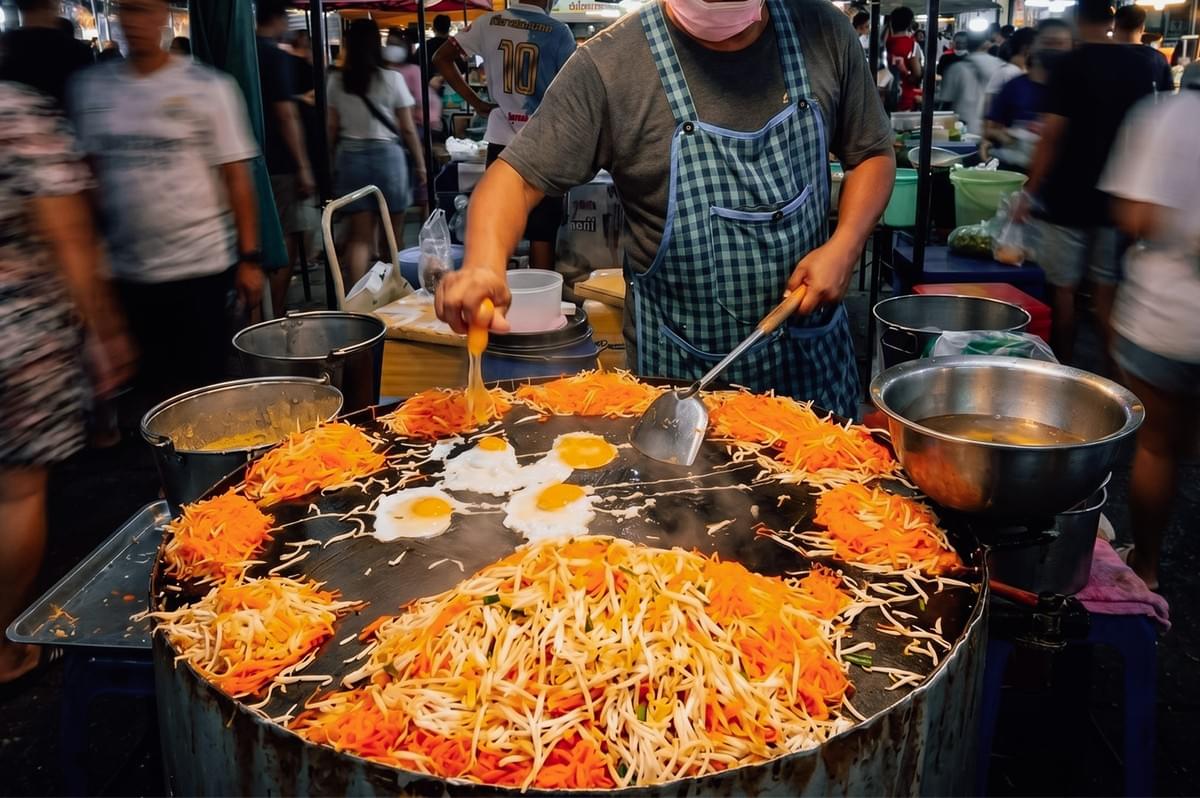
Then the wok caught fire. Not literally, but close. A burst of flame licked up the side, and the whole street smelled of charred shallot, tamarind paste, and something sweet I couldn't name yet. The pad thai noodles hit the metal with a sound I can only describe as a long, hungry hiss.
I sat down on a plastic stool I hadn't planned to sit on. I ordered something I couldn't pronounce. And I understood, somewhere around the third bite, that I'd been eating a watered-down version of this authentic pad thai recipe my whole life.
This is the story of what I learned after that night. About pad thai — the real kind. The kind made on a busy corner by someone who isn't trying to impress you.
A Dish Younger Than You'd Think: The Rise of Traditional Pad Thai in Thai Food Culture
Here's the part that surprised me most: authentic pad thai isn't ancient. It's not some recipe passed down across a thousand years of royal kitchens.
It was, in a way, invented on purpose.
In the late 1930s and 40s, Thailand was reshaping its national identity. Rice was scarce during wartime, and the government encouraged people to eat noodles instead. Pad thai, a stir fried noodle dish with a distinctly Thai balance of flavors, became part of that push. It was practical. It was nationalistic. It was cheap to make and easy to sell from a cart.
What started as policy became culture. That's the quiet miracle of it.
Today, those same carts line the streets of Bangkok, and the dish has traveled to nearly every corner of the world. But somewhere along that journey, a lot of it lost the plot. Too sweet. Too red. Drowning in ketchup-colored pad thai sauce that no Bangkok vendor would recognize. For expatriates exploring authentic flavors in new cities, Singapore dining guide expats can help you discover where real, vibrant street food still thrives.
The street version is a different animal entirely.
What the Street Food Vendors Actually Do Differently: Only What Matters in the Thai Kitchen
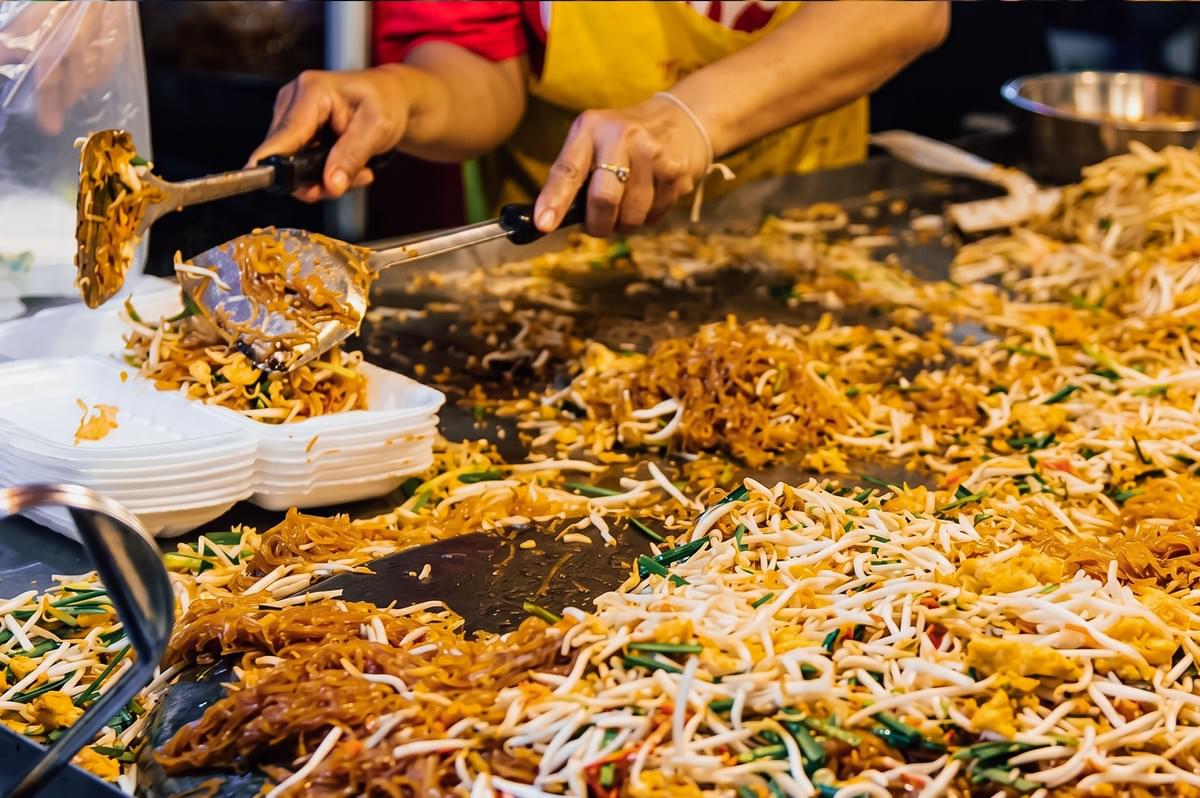
I spent more nights than I'll admit watching street food vendors work. I asked questions in broken Thai and got answers in patient gestures. Slowly, the thai street food secrets stopped feeling like secrets and started feeling like discipline.
It Starts With the Pad Thai Sauce: Food Products That Define the Dish
There's no bottle of bright orange goop involved. Real thai cuisine Pad Thai is built on three honest things:
- Tamarind paste or tamarind pulp — sour, dark, fruity. This is the backbone and key sour component of the sauce.
- Fish sauce and sometimes a touch of oyster sauce — salty, funky, alive. The umami engine.
- Palm sugar or brown sugar — mellow and round, not the sharp sweetness of white sugar or white vinegar.
That's mostly it. The magic isn't in the number of ingredients. It's in the ratio. Sweet, sour, salty, and savory have to sit in balance — none of them shouting over the others. One vendor told me, through her daughter translating, that she adjusts the sauce by taste every single day. The tamarind isn't always the same. Neither is the weather. So neither is the sauce.
The Rice Noodles Are Half the Game: Buying Food Right for the Best Pad Thai
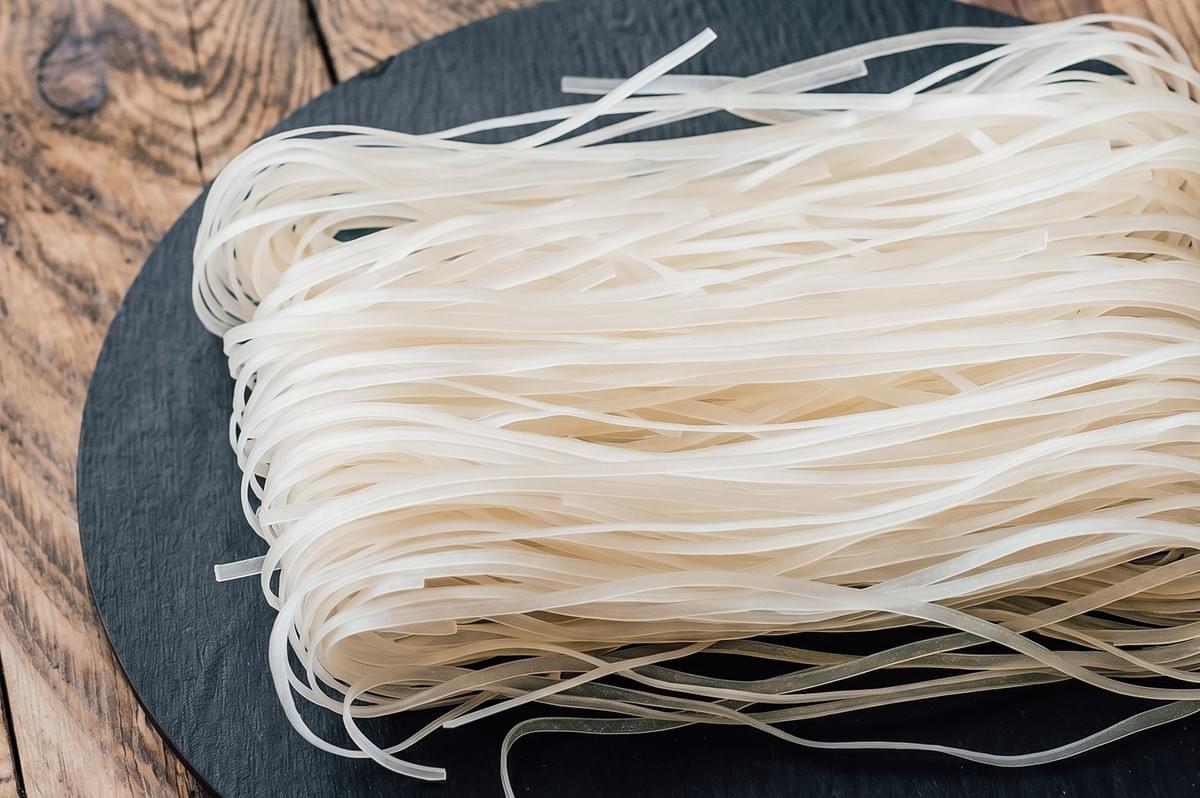
The dry rice noodles here are flat rice stick noodles, soaked — not boiled — in boiling water then quickly rinsed in cold water until just pliable. Boiling makes them mushy. Soaking lets them finish cooking in the wok, where they soak up pad thai sauce instead of water.
When they hit the pan, they don't get stirred to death. They get tossed, pressed against the hot metal with a wok spatula, left alone for a second to take on a little char. That faint smokiness — Thais call it wok hei in the Chinese tradition, though the idea travels — is the difference between flat and unforgettable.
Everything Else Has a Job in This Stir Fry: Add Garlic Chives and Shallots for So Much Flavor
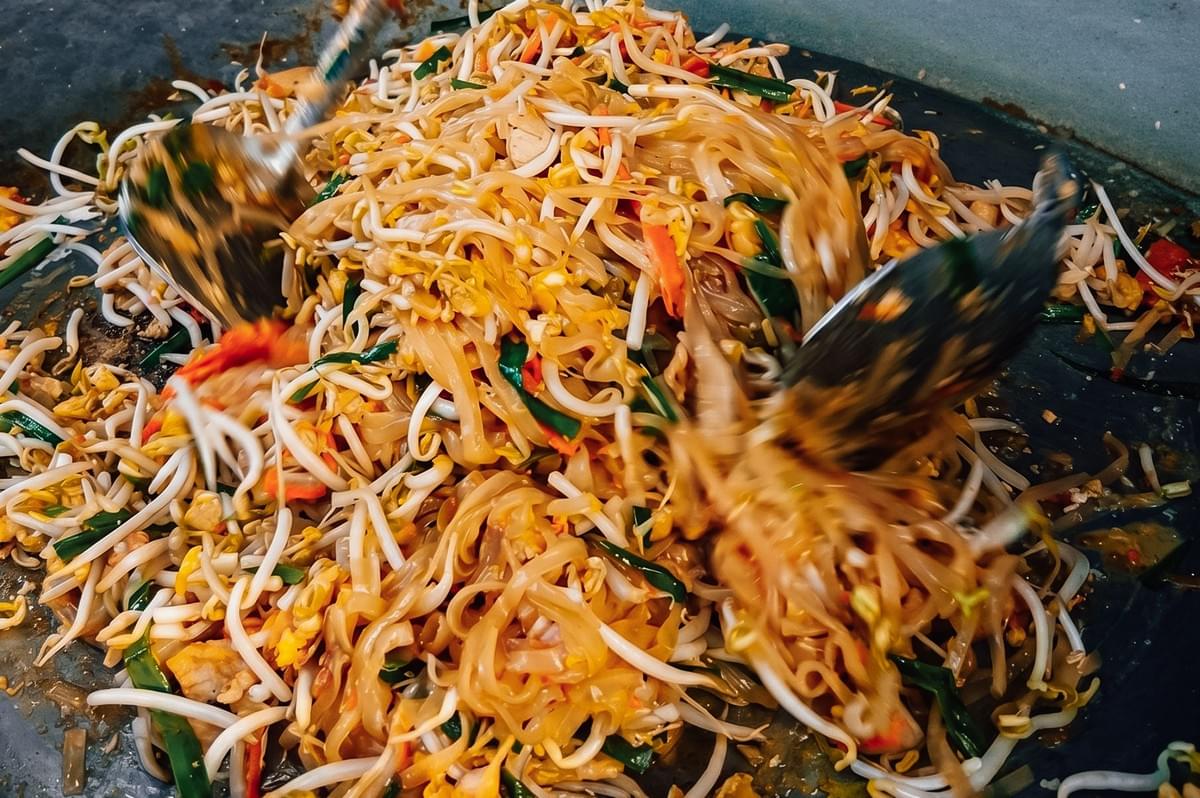
The supporting cast earns its place:
- Scrambled egg or beaten eggs, pushed to one side of the wok and scrambled fast, then folded in.
- Dried shrimp, tiny and intense, adding a salty depth most people abroad skip entirely.
- Extra firm tofu or pressed tofu, or cooked protein like prawns or chicken — protein choice is yours.
- Mung bean sprouts and garlic chives or chinese chives (always add garlic chives for authenticity), added late so they stay crisp.
- Crushed peanuts or roasted peanuts, scattered on top for crunch.
- Shallots, finely chopped, add a sweet onion note that rounds out the dish.
And then the plate arrives with lime wedges, a pile of raw bean sprouts, and small dishes of chili flakes, sugar, and fish sauce. Because in Bangkok, the dish isn't finished when it leaves the wok. You finish it. That's the whole point.
The Part You Can't Photograph: The Experience of Hot Food and True Street Food
I tried to take pictures that first night. I gave up quickly.
Some of it just doesn't translate. The sizzle when the noodles hit. The way steam rises and disappears into the streetlight. The soft give of the noodles against the sudden, dry crunch of peanut. The lime cutting through the sweetness like a small act of mercy.
There's heat from the chili that builds slowly, then sits warm in your chest. There's the funk of fish sauce that sounds unpleasant on paper and tastes like home after two bites.
And around all of it — the city. Motorbikes weaving past your stool. A dog asleep under the next table. The vendor never stopping, never rushing, just folding noodle after noodle into bowl after bowl.
You eat with a fork and spoon, elbows close, knee almost touching a stranger's. Nobody minds. Everybody's doing the same thing: eating something good, quietly, in the dark.
How to Make Pad Thai: Your Best Pad Thai Recipe at Home with Fresh Ingredients
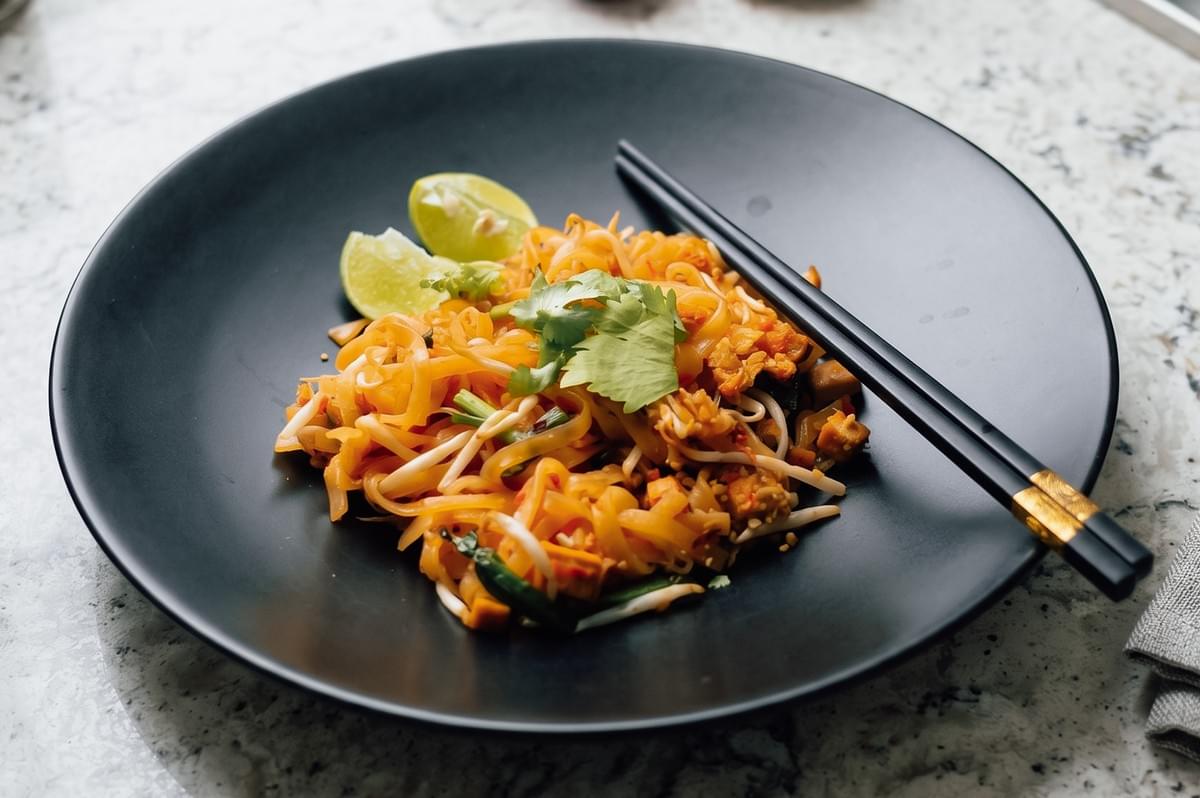
You won't get the same dish in your kitchen. I'll be honest about that. You don't have a wok screaming at high heat, and you don't have forty years of muscle memory.
But you can get close. Closer than most takeout, anyway.
If you want to attempt a pad thai recipe abroad, here's where it matters most:
Source the right three things. Real tamarind paste (not tamarind concentrate that tastes only sour), a good fish sauce, and palm sugar if you can find it. Most Asian markets carry all three. This is non-negotiable — substitutes here are where home versions usually fall apart.
Soak your noodles, don't boil them. Lukewarm water until they bend but still feel slightly firm. They'll finish in the pan.
Get your pan hotter than feels reasonable. Cook in small batches over medium high heat or high heat. A crowded pan steams; it doesn't fry. If you're making four servings, make them two at a time.
Mix your sauce before you start. Once the noodles hit the heat, there's no time to measure. Have everything within arm's reach in a medium bowl or small bowl.
Don't skip the dried shrimp. It's the flavor most people don't realize is missing. A small handful, chopped fine, changes everything.
One last thing: taste and adjust at the end. More lime juice, more fish sauce, more chili flakes — your plate, your call. That habit is the most authentic thing you can borrow from the street.
Recipe Notes: Tips for Restaurant Quality Pad Thai and Nutrition Serving Size
- Use extra firm tofu or pressed tofu for the best texture.
- If you can't find garlic chives, substitute with green onions or chopped shallots (add shallot to keep that fresh onion bite).
- To keep leftovers, store in an airtight container in the fridge, but pad thai noodles are best eaten fresh and don't reheat well. Always serve immediately for the best experience.
- Avoid overly sweet sauces by balancing palm sugar with sour tamarind and fish sauce.
- Use a modest amount of oil to keep saturated fat low — this aligns with the thai diet's emphasis on balance and fresh ingredients.
- Add stir fried veggies like bell pepper or sweet preserved radish for extra flavor and texture.
- Use a wok spatula to gently toss the noodles and ingredients without breaking them.
- Follow package instructions for soaking dry rice noodles, but always prefer soaking over boiling.
- For a vegetarian version, skip dried shrimp and fish sauce, substituting with more soy sauce.
- Use medium heat or medium high heat for cooking to avoid burning or sogginess.
- Be mindful of nutrition serving size — a generous portion of Pad Thai can be filling but balanced as part of a thai diet.
Go Find the Real Thing: Your Authentic Pad Thai Recipe Awaits in Thai Food and Local Restaurants
So here's what I'll leave you with.
The next time you're in Bangkok, skip the air-conditioned thai restaurants with the laminated menu. Find the cart with the longest line of thai people and the oldest wok. Sit on the plastic stool. Order. Adjust your plate the way the person next to you does.
And if Bangkok is far away... and for most of us, it is, then buy the tamarind paste, the fish sauce, the dried shrimp. Get your pan too hot. Make a mess of your first try. Taste as you go.
You might not get it perfect. I still don't. But you'll get something real, something that smells like that swinging bulb and that hissing wok.
For more on discovering authentic flavors and where to find genuine Thai street food experiences, especially if you’re an expat or traveler, check out Expat Eat for great guides and tips.
That's worth more than perfect. Go cook.
