

If you have just arrived in Singapore, one of the first things you will notice is that ordering coffee is not as straightforward as it seems. What looks like a simple cup of kopi coffee Singapore style often comes with its own language, preparation method, and expectations.
Unlike typical café in Singapore coffee, kopi in Singapore is tied closely to local habits and everyday routines. It is found in coffee shops, hawker centres, and traditional kopitiams, where the focus is less on variety and more on familiarity.
For many expats, understanding kopi, its variations, and how to order it takes a bit of time. Once it clicks, though, it becomes part of daily life.
Kopi Coffee Singapore: What Makes It Different
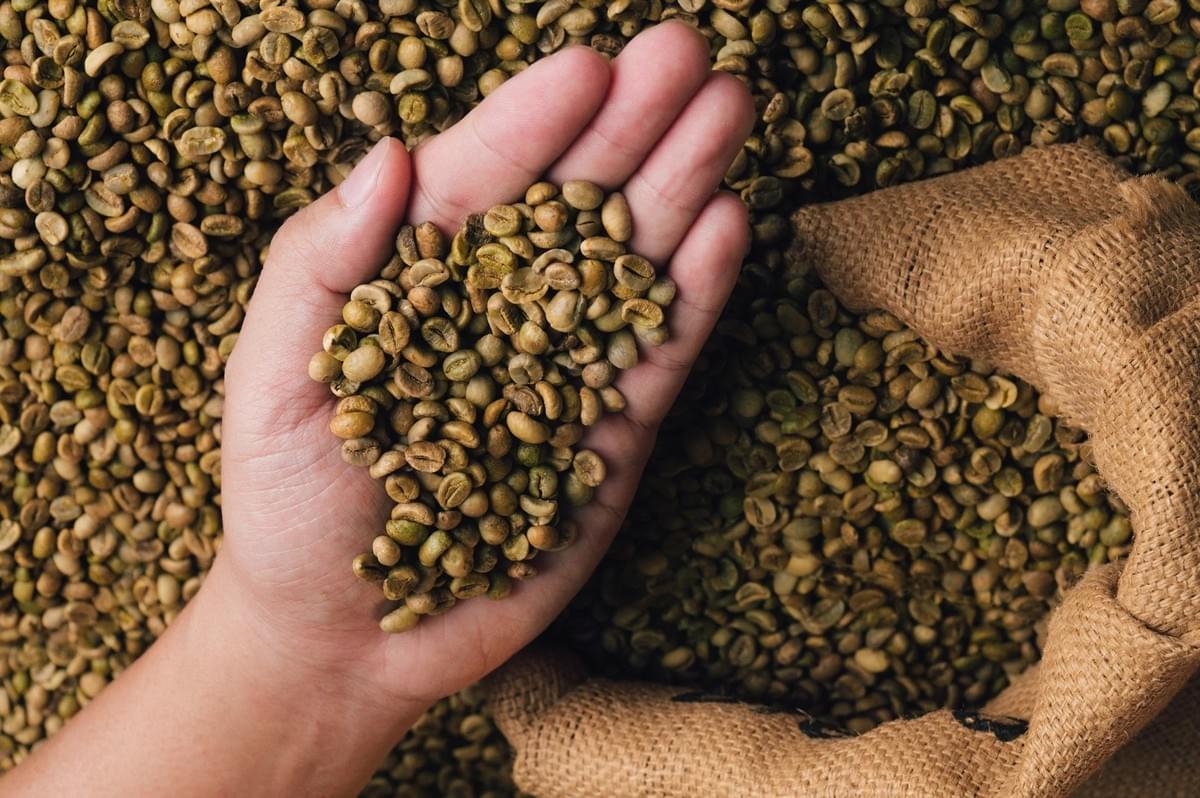
At its core, kopi coffee Singapore style refers to local coffee made using robusta coffee beans, which are roasted with sugar and margarine. This roasting process creates a distinct profile with darker colour and slightly earthy notes compared to arabica beans used in specialty coffee.
The coffee is typically brewed using a sock filter, producing a concentrated base that is then adjusted with condensed milk, evaporated milk, or sugar depending on the order.
Unlike café coffee, which focuses on origin and extraction, traditional kopi is more about consistency. It is designed to be a reliable go to drink, often paired with breakfast items like kaya toast and soft boiled eggs
Kopi Lingo: How to Order Coffee in Singapore
One of the first challenges for newcomers is understanding the kopi lingo. Orders are often short, specific, and based on sugar and milk preferences.
This system forms a kind of very own lingo that regulars pick up over time.
Here are some common terms:
- Kopi – coffee with sweetened condensed milk
- Kopi O – black coffee with sugar
- Kopi C – coffee with evaporated milk and sugar
- Kopi C kosong – coffee with evaporated milk, no sugar
- Kopi siew dai – coffee with less sugar
- Kopi peng – iced coffee
- Kosong peng – iced coffee with no sugar
There are also variations that adjust strength or sweetness level. Terms like gah dai or kopi gah dai indicate a stronger cup, while “siew dai” reduces sweetness.
Once you understand these basics, it becomes easier to order kopi confidently in most hawker centres.
Whether you're exploring local flavors or craving international cuisine, don't miss out on the latest dining insights at SG Malls Dining Guide.
Kopi O, Kopi C, and Other Common Variations
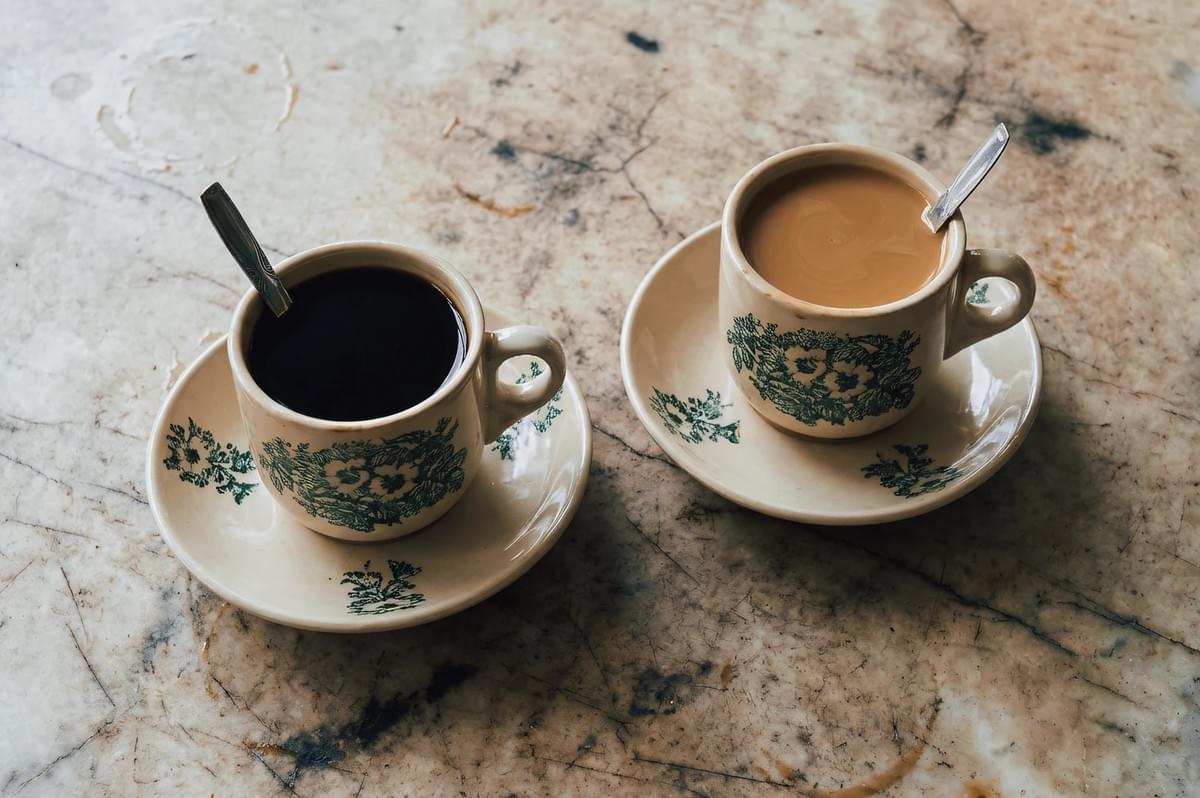
While the names may sound similar, each version of kopi in Singapore changes the balance of milk, sugar, and strength.
- Kopi O
A form of kopi black coffee, usually brewed strong and sweetened with sugar. It has a more direct coffee taste compared to milk-based versions. - Kopi C
Made with coffee with evaporated milk, giving it a lighter texture than condensed milk kopi. - Kopi C kosong
Similar to kopi C but without sugar, often preferred by those adjusting sweetness levels. - Kopi siew dai
A common request for reduced sugar, especially among younger generations.
These variations are not about complexity but about adjusting the drink to personal preference.
Kopi Peng, Kopi Tarik, and Texture Differences
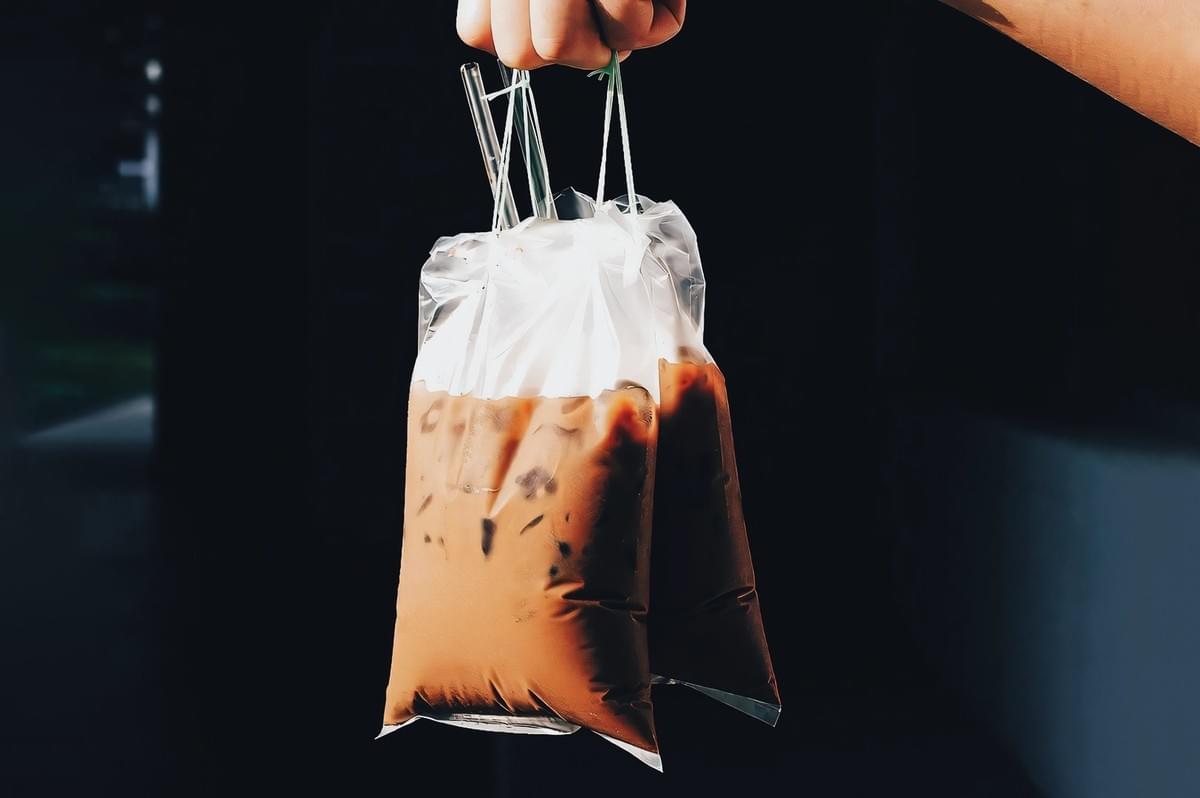
Temperature and preparation style also change how kopi is experienced.
- Kopi peng
This is the iced version, typically served over ice or sometimes in a takeaway plastic bag. It is common in warm weather and remains one of the more popular formats. - Kopi tarik
This involves pulling the coffee between two containers to create a frothy top. The process also cools the drink slightly while enhancing texture.
These differences are subtle but noticeable, especially if you compare them to standard iced coffee or café-style drinks.
Kopi Culture in Singapore Coffee Shops
To understand kopi in Singapore, it helps to look beyond the drink itself.
In traditional coffee shops and hainanese kopitiams, kopi is part of a daily routine. People often stop by for a quick drink, sometimes standing or sharing tables with others. The setting is functional, and the pace is usually fast.
Kopi is also closely tied to food. A typical breakfast might include:
- Kaya toast with butter or margarine
- Soft boiled eggs with soy sauce and pepper
- A cup of kopi alongside
This combination reflects a broader local kopi culture, where coffee is less about individual preference and more about shared habits.
Kopi vs Specialty Coffee in Singapore
Singapore also has a growing specialty coffee scene, and the difference between the two is noticeable.
Kopi focuses on:
- consistency
- stronger roasting
- traditional brewing methods
Specialty coffee, on the other hand, emphasises:
- bean origin
- lighter roasting
- brewing precision
Both exist side by side. Many expats start with cafés before gradually exploring local coffee, or move between the two depending on the situation.
The Unique Coffee Culture of Singapore's Kopitiams
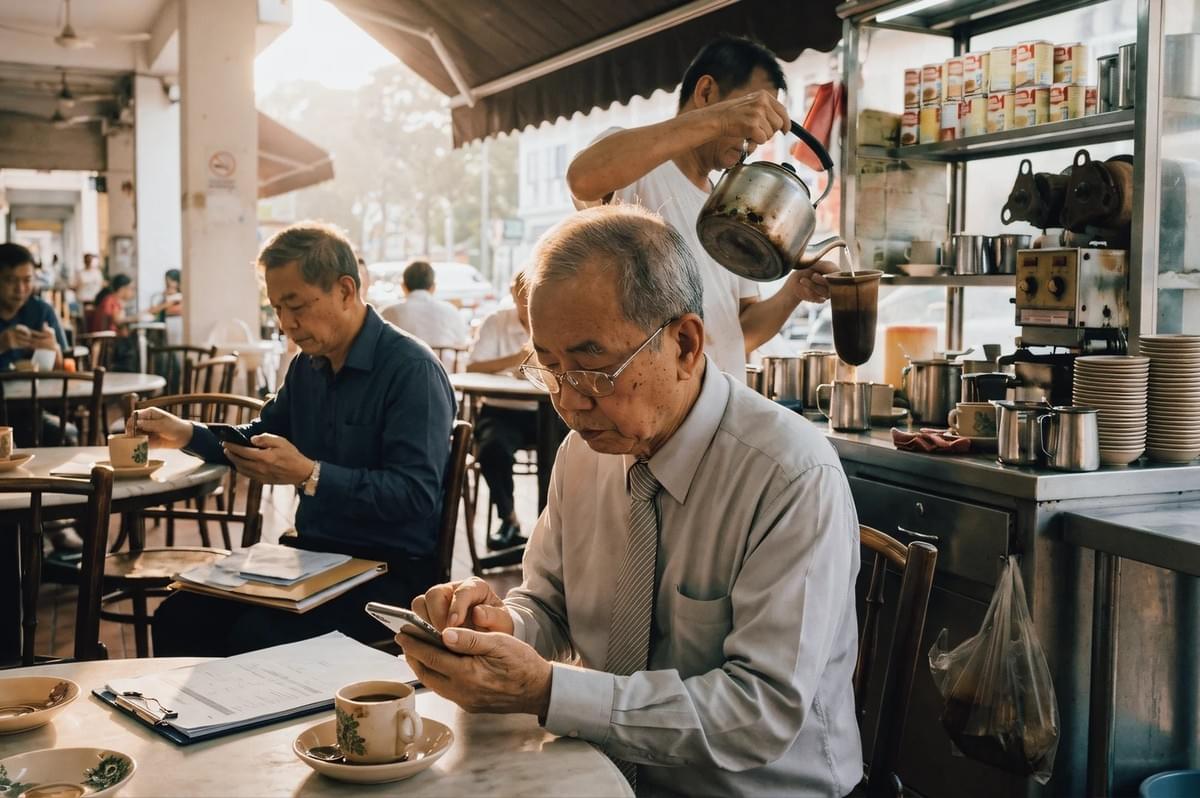
Singapore's kopi coffee culture is not just about the drink itself but also the vibrant social atmosphere found in kopitiams and hawker centres. These traditional coffee shops serve as community hubs where locals gather to enjoy affordable, strong coffee alongside beloved local dishes like chicken rice, charcoal grilled toast, and runny eggs. The kopi here is brewed coffee made from robusta coffee beans roasted with margarine and sugar, often over a charcoal fire, giving it a distinctive rich and smoky flavor.
A typical kopi order is served in thick white china cups, often accompanied by a plate of kaya toast smeared with coconut jam and butter. The coffee is brewed in batches using a sock filter to achieve its iconic smooth mouthfeel. Customers can customize their drink with options such as coffee with condensed milk, evaporated milk, or black coffee, and adjust sweetness levels using terms like siew dai (less sugar) or kosong (no sugar).
This unique coffee culture reflects Singapore's multicultural heritage and the fusion of local and colonial influences that have shaped its coffee production and consumption. Kopitiams continue to thrive as affordable, accessible spaces that preserve the traditional kopi experience while coexisting with the growing specialty coffee scene.
How Kopi Fits Into Daily Life in Singapore
Over time, kopi becomes less about understanding the menu and more about habit.
It is:
- a quick drink before work
- something paired with breakfast
- a short break during the day
For many, it replaces the idea of sitting in a café for long periods. The experience is shorter, more direct, and integrated into everyday routines.
This is part of what makes kopi coffee Singapore style different. It is not just a beverage, but part of how people move through the day.
Final Thoughts on Kopi Coffee Singapore
Learning how to navigate kopi takes a bit of adjustment, especially if you are used to café-style ordering.
The terminology, preparation, and environment are all slightly different. But once understood, it becomes easier to move between different types of coffee in Singapore.
Whether you prefer kopi O, kopi C, or a simple iced version, the system allows for small adjustments that eventually feel intuitive.
For expats, this is often one of the first parts of Singapore coffee culture that shifts from unfamiliar to routine. If you're feeling homesick, exploring local kopi alongside comforting foods can be a great way to settle in; check out some comforting meals for expats here.
