

Last Updated Dat: October 22, 2026
The first time I understood what sashimi could be, I wasn't looking at my phone. A chef in Newton had just laid down a slice of chutoro, and for a moment I forgot to reach for anything. It sat there, faintly warmer than I expected, catching the light. I ate it. And then I sat quietly with the taste for a while, the way you do with a song that ends too soon.
I’ve wandered through Singapore’s sushi bars, returning to eight bowls that quietly linger in memory. Some cost a month’s grocery budget, others just a casual lunch. What they share is care and precision, the kind that makes a single slice of sashimi feel like the whole reason you came.
If you’re curious to explore each one, you can see the full list of these best chirashi don Singapore. Each bowl has its own rhythm, its own quiet story, and a moment worth pausing for.
The Best Japanese Restaurants Behind Each Sashimi Slice:
- Araya Shouten – Tanglin Mall
- Tatsuya – Newton
- Shinji by Kanesaka – The St. Regis Singapore
- Shoukouwa – Marina Bay
- Ki-sho – Scotts Road / Orchard
- Tatsu – City Hall
- Tomi Sushi – Millenia Walk / Promenade
- Standing Sushi Bar – Odeon 331 / City Hall
1. Araya Shouten – Tanglin Mall: Where Some of the Best Japanese Sashimi Begins Before the Knife
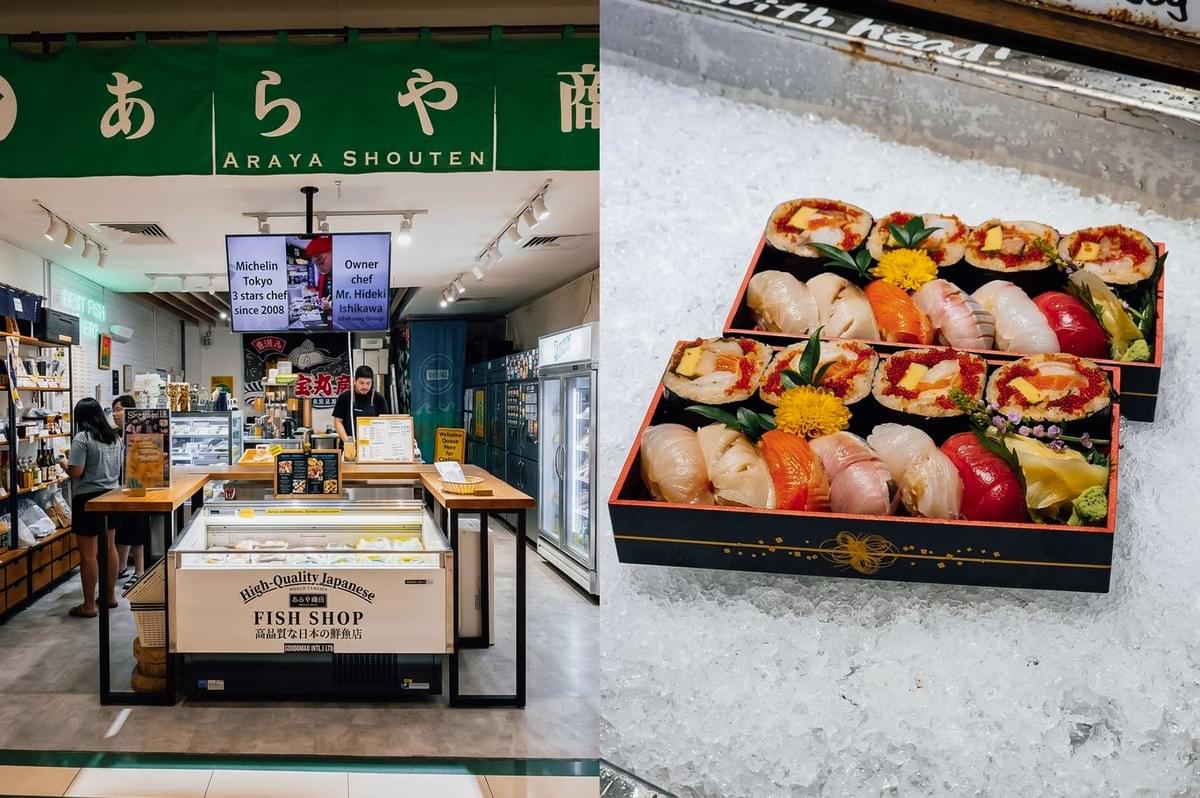
How to arrive: Orchard Boulevard MRT, then a short walk to Tanglin Mall
What it costs: Prices vary depending on the species, grade and week’s catch
When this bowl shines: When the fish matters more than the ceremony around it
The first thing I noticed about Araya Shouten was how little it behaves like a typical sushi restaurant. It is first a Japanese fishmonger in the basement of Tanglin Mall, with familiar cuts of salmon sashimi, bluefin tuna and other fresh sashimi sitting alongside seasonal sashimi and, when the catch allows, less familiar rare fish. I went in expecting to choose something I already knew. Instead, I found myself asking what had arrived that week.
That question matters here because Araya-San spent years in the seafood trade before opening the shop, sourcing through fishing ports across Japan and paying close attention to what happens to the fish before it ever reaches Singapore. Some catches are handled to his specifications through early gutting, blood removal and techniques such as Shinkei Jime. It sounds technical until you eat the result. Good Japanese sashimi should smell clean, look glossy and have texture rather than mushiness; fatty cuts like salmon belly or tuna should feel rich without becoming heavy. It made me realise that “fresh” is only part of the story.
If you want a fuller meal, the shop also prepares items such as chirashi don using seafood from the same counter, with the toppings shifting according to the catch. But for a first visit, I would keep things simple. Ask what is best that day, try something familiar beside something seasonal, and let the season guide you. Their Instagram is useful for seeing recent arrivals, but the pleasure is in discovering that the best sashimi can sometimes come without a long omakase menu or formal sushi counter. Sometimes, knowing where the fish came from is enough to make you taste it differently.
Not for when…: You want a long, formal omakase experience where service and ceremony are part of the meal
Little-known pleasures: Ask what is best that week instead of defaulting to salmon or tuna
2. Tatsuya – Newton: Seasonal Sashimi in Singapore with Quiet Precision
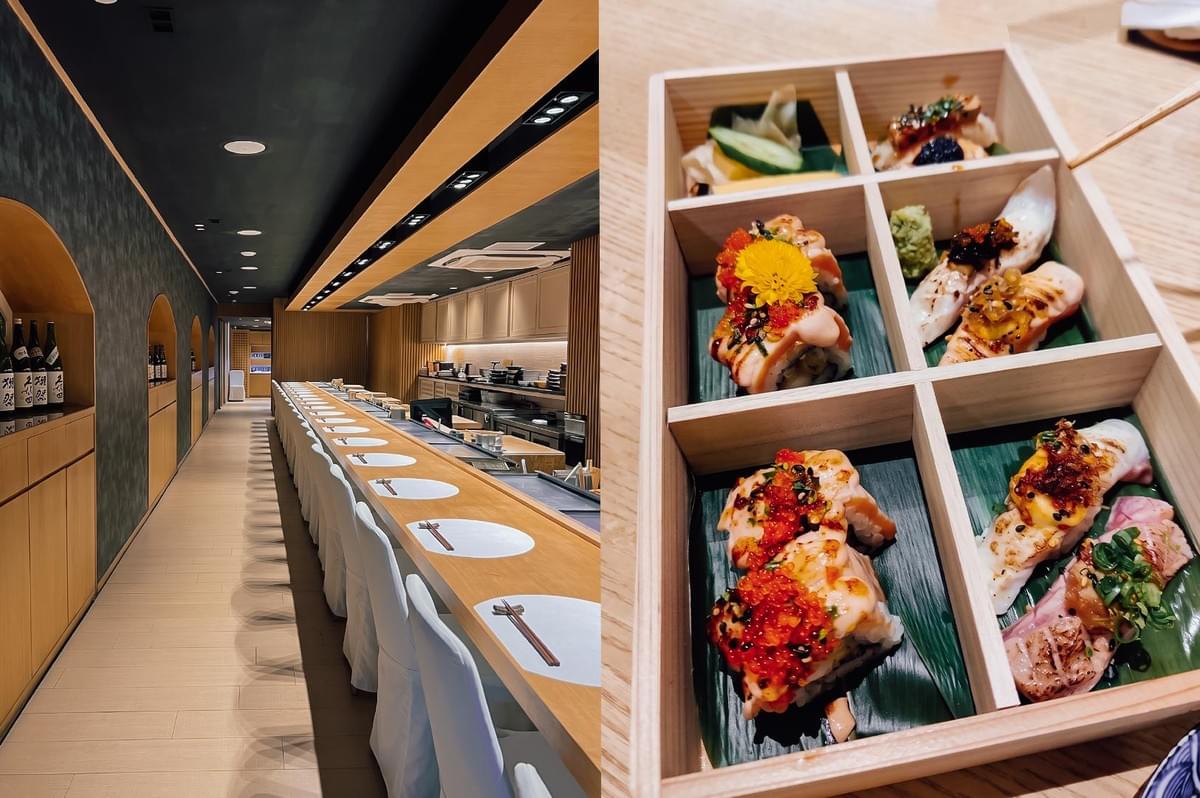
How to arrive: Newton MRT, 8 mins walk through quiet streets to Goodwood Park Hotel
What it costs: Lunch sets and sashimi vary by selection; premium cuts and seasonal seafood sit at the higher end
When this bowl shines: Weekday lunches, soft hotel hum, unhurried pace
There is something reassuring about Tatsuya before the food even arrives. Tucked inside Goodwood Park Hotel, it feels removed from the pace outside, and I still prefer sitting at the sushi bar, where the knife work of the skilled chefs becomes part of lunch. The fresh sashimi is cut cleanly enough that you notice the texture first: firm where it should be, softer where the fat begins to melt. It reminded me that good Japanese cuisine can be quiet without ever feeling plain.
I also like that the menu gives seasonal sashimi room to change. Sweet shrimp, salmon roe, tuna and other raw seafood may share the counter with fish that only makes sense for that particular season. I have learned not to rush for the familiar choice here. When the provenance, temperature and knife work are right, even a simple piece of traditional sashimi can hold your attention longer than something more elaborate.
Not for when…: You crave bold, modern, showy plates
Little-known pleasures: Counter seats over the tatami — the knife work by skilled chefs is part of the meal
3. Shinji by Kanesaka – St. Regis: Edomae Sushi for the Evenings You Want to Slow Down
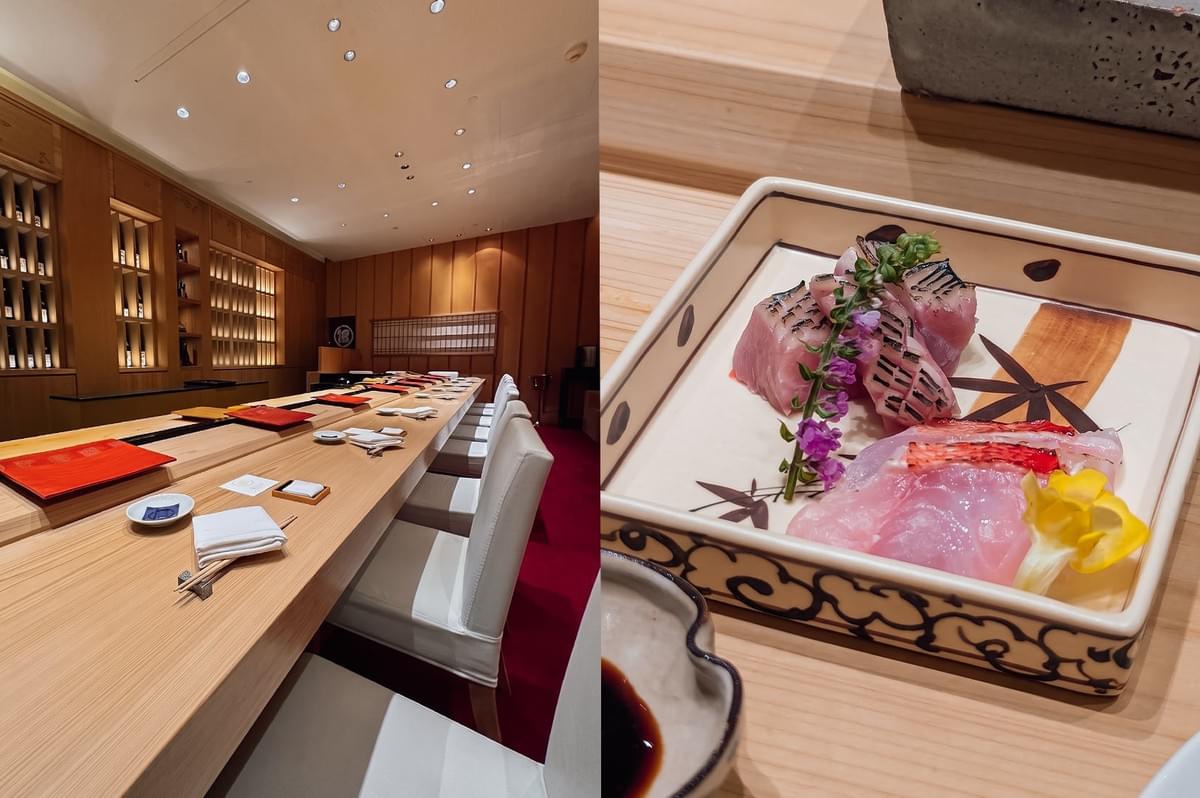
How to arrive: Orchard Boulevard MRT, a short walk to The St. Regis Singapore at 29 Tanglin Road
What it costs: Omakase menu from S$280 at lunch and S$350 at dinner; nigiri sushi lunch sets start from S$150
When this bowl shines: Special evenings or milestone celebrations
At Shinji by Kanesaka, I became unusually aware of temperature. The bluefin tuna arrives cool and silky, but the sushi rice underneath the Edomae sushi carries a gentle warmth. It sounds like a small difference until you sit at the sushi counter and feel the two meet in one bite. Nothing here asks for a dramatic reaction; the pleasure is in how carefully everything has been judged before it reaches you.
The omakase set menu moves between sashimi, cooked dishes, nigiri sushi and soup according to the season, so the meal feels less like choosing from a menu and more like allowing the sushi chefs to set the pace. For anyone exploring the best sashimi Singapore offers at the more traditional end of Japanese dining, Shinji remains one of those places where restraint starts to make sense. Even the old hinoki counter seems to encourage it; you sit down, watch the hands working in front of you, and gradually stop checking the time.
Not for when…: You want casual, fast, or experimental dining
Little-known pleasures: The hinoki counter is worth requesting; sitting close to the chef makes the rhythm of the meal feel much more personal
4. Shoukouwa – Marina Bay: Michelin Elegance with Premium Sashimi and Opening Hours to Note
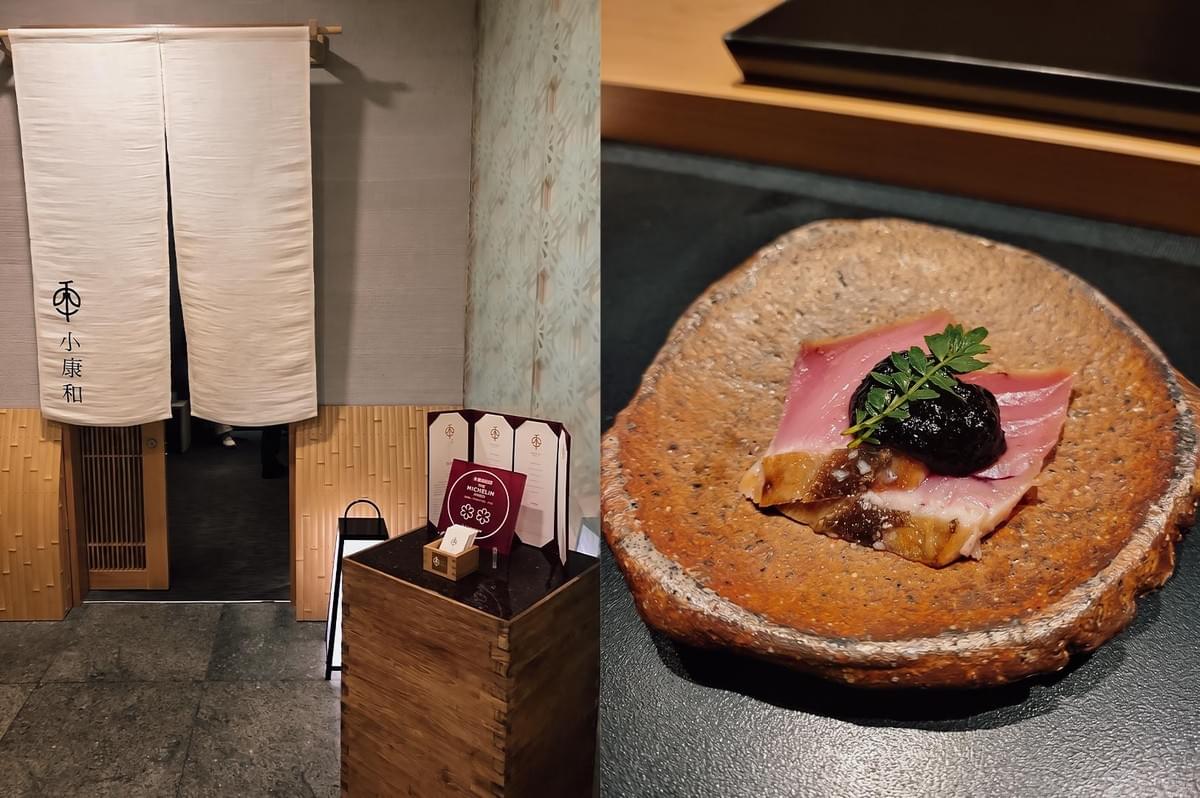
How to arrive: Raffles Place MRT, 8 mins walk to One Fullerton (#02-02A)
What it costs: Lunch omakase from S$380++; dinner from S$520++ to S$680++
When this bowl shines: Quiet, indulgent evening with attention on the fish
At Shoukouwa, I remember becoming more aware of timing than luxury. The fresh seafood is flown from Tokyo’s Toyosu Market, but what reaches the plate is controlled just as carefully; a slice of traditional sashimi has to arrive at the right temperature, while the vinegared rice beneath the nigiri carries its own warmth. White fish and sea bream can be quieter than fatty tuna, but that restraint is often where the skill shows. The best sashimi does not always announce itself with richness. Sometimes it simply tastes exactly as the fish should at that point in the season.
Shoukouwa’s two Michelin stars make it one of the grander places for sashimi in Singapore, but the meal never feels built around status alone. The seasonal seafood, precise knife work and measured progression into miso soup and later courses make this feel closer to a study of Japanese ingredients than a parade of expensive ones.
Not for when…: You’re budget-conscious or in a hurry
Little-known pleasures: The white fish courses reveal the chef’s true restraint and respect for seasonal seafood, popularly served with vinegared rice to enhance the experience
5. Ki-sho – Scotts Road: Seasonal Ingredients Without the Stiffness
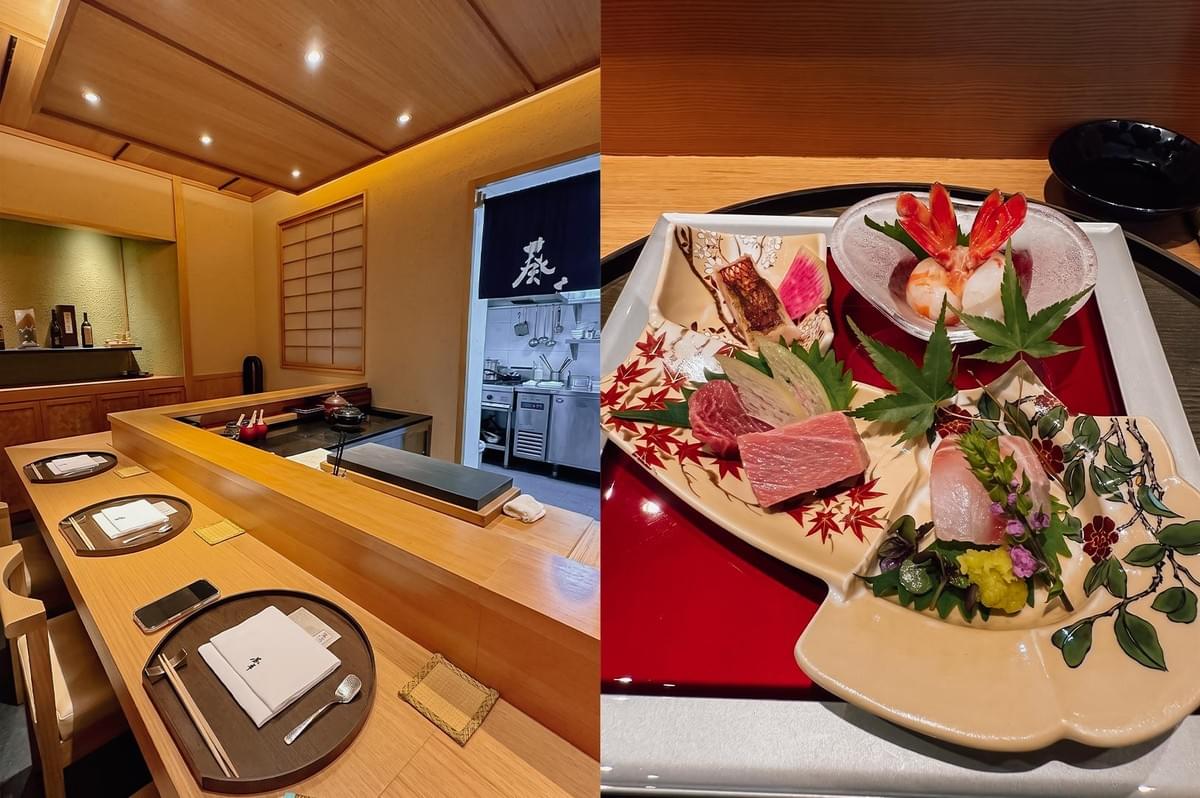
How to arrive: Orchard / Newton MRT, 10 mins walk
What it costs: Chef Kappo omakase menu from S$168++ at lunch and S$280++ at dinner
When this bowl shines: Intimate meals for couples or small groups
Ki-sho feels different from the moment the meal settles into its rhythm. Its kappo approach means the chef is not limited to raw fish; premium sashimi might be followed by carefully judged cooked dishes, with both shaped by the seasonal ingredients available that day. I like that the counter leaves room for conversation. Nothing about the meal feels hurried, but neither does it ask you to treat every bite with solemn silence.
That balance makes Ki-sho especially easy to return to. The sashimi can be delicate and glossy, sometimes cut with enough thickness to let you understand the texture of the fish meat rather than simply its flavour. Seasonal fish matters here because the same species can taste noticeably different as its fat content changes through the year. It is a quieter expression of traditional Japanese cuisine, without feeling trapped by tradition.
Not for when…: You need quick or group seating
Little-known pleasures: Lunchtime is quieter, ideal for slow tasting and appreciating premium sashimi and sushi, crafted with a delicate balance of flavors
6. Tatsu – City Hall: Flexible Japanese Food Comfort with Other Dishes
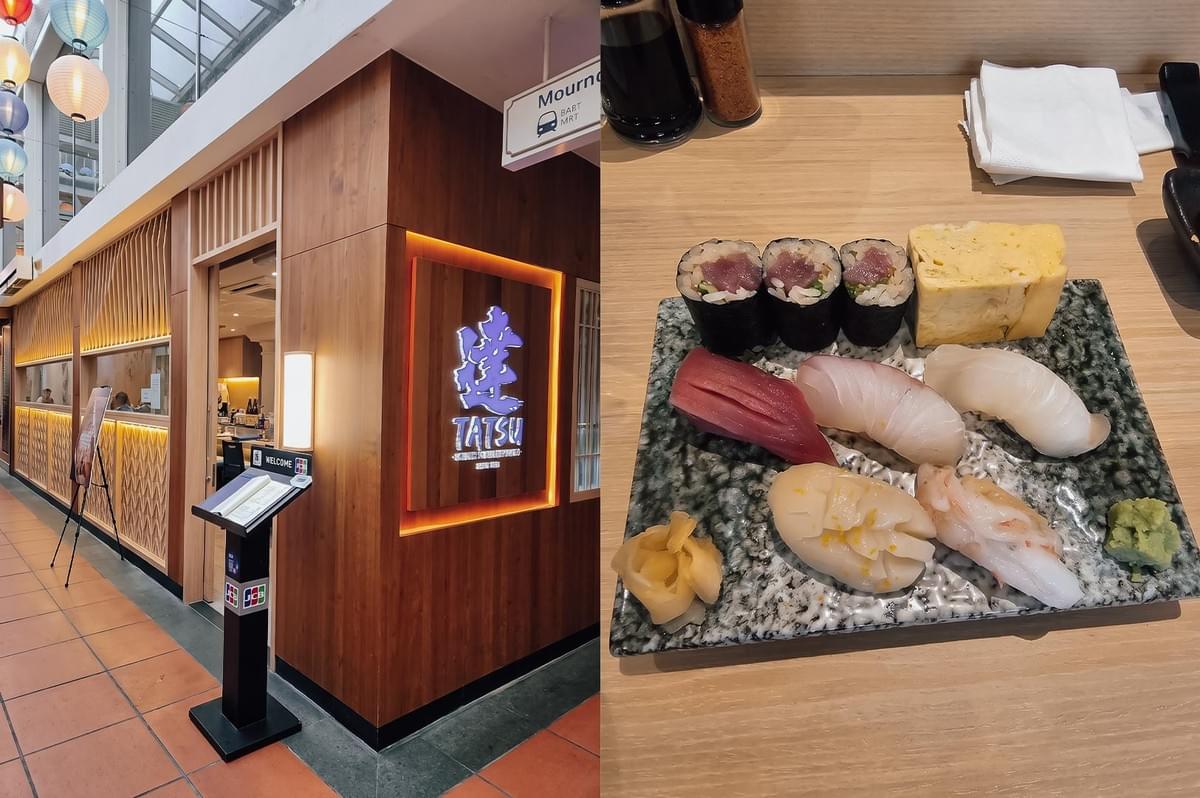
How to arrive: City Hall MRT, 5 mins walk to CHIJMES
What it costs: Flounder with truffle oil ~£45–£55
Tatsu balances raw, lightly torched, and teppanyaki dishes. It’s generous and versatile, ideal for groups with mixed preferences. Simple yet considered, a place that delivers without fuss, offering tempura and cold soba alongside fresh sashimi and sushi dishes.
When this bowl shines: Groups wanting both raw and cooked dishes
Not for when…: You want only sashimi-focused counter seating
Little-known pleasures: The flounder with truffle oil quietly steals the meal
7. Tomi Sushi – Millenia Walk: Traditional Japanese Cuisine That Feels Dependable
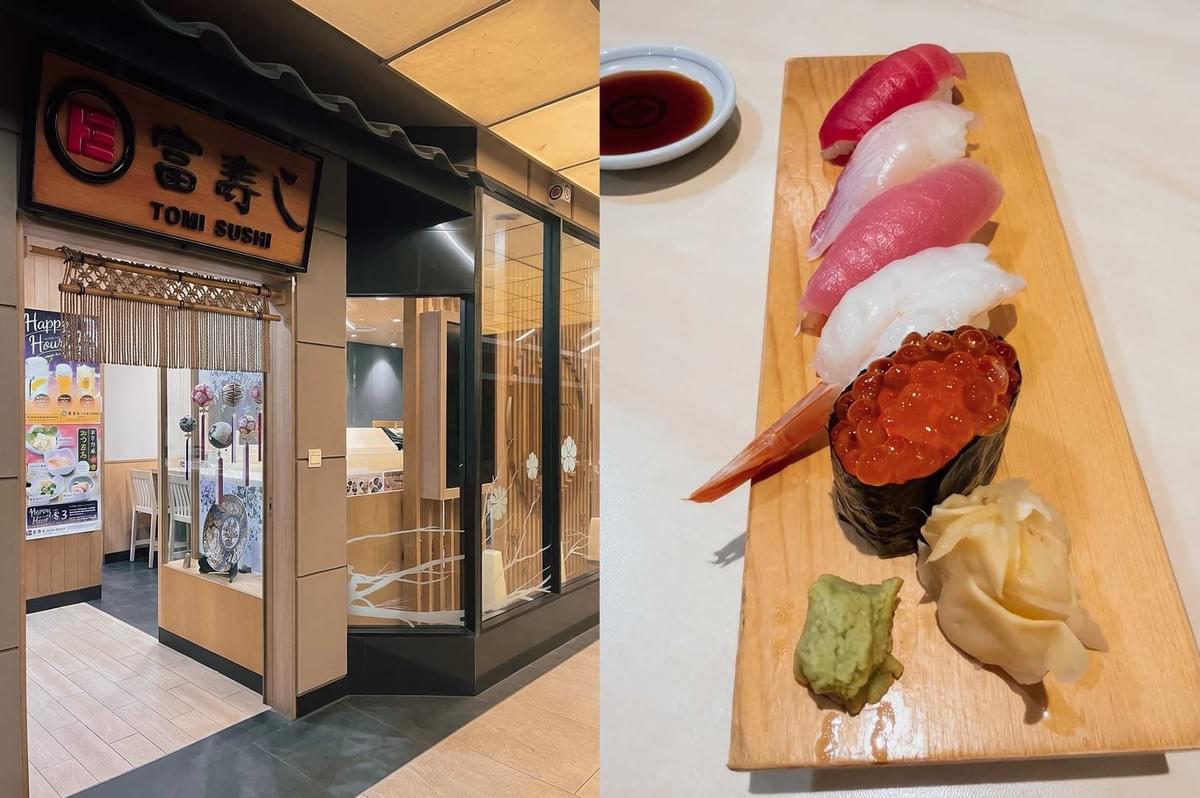
How to arrive: Promenade MRT, about 5 mins walk to Millenia Walk
What it costs: Sashimi set lunch from S$32; Tokujyo Chirashi S$64; Sushi Gozen S$68
When this bowl shines: Casual lunches when you want variety without committing to an omakase
I think of Tomi Sushi as the dependable one. It does not try to turn every plate into theatre. Instead, there is fresh fish, Niigata Koshihikari rice and a broad menu that lets you move between fresh salmon sashimi, an assorted sashimi plate, nigiri and cooked Japanese food without making the meal complicated. On quieter lunches, that familiarity becomes its own kind of comfort.
What I began noticing here was the detail around the fish rather than just the fish itself. Tomi uses a different soy sauce for sashimi and sushi, and even the rice and salt trace back to its Niigata identity. A sushi platter followed by miso soup feels ordinary until you realise how carefully those ordinary things have been chosen. Among Singapore’s Japanese restaurants, Tomi Sushi is less about chasing novelty and more about making traditional Japanese cuisine feel easy to return to.
When this bowl shines: Casual diners craving fresh seafood and assorted sashimi
Not for when…: You want a highly personalised omakase or experimental modern Japanese cuisine
Little-known pleasures: Sashimi platters featuring six to eight kinds of fresh fish, including fatty tuna and sea urchin, popularly served as signature dishes. Try the sashimi with the restaurant’s dedicated sashimi soy sauce rather than automatically reaching for whatever is closest on the table
8. Standing Sushi Bar – Odeon Towers: Affordable Salmon Sashimi Without the Ceremony
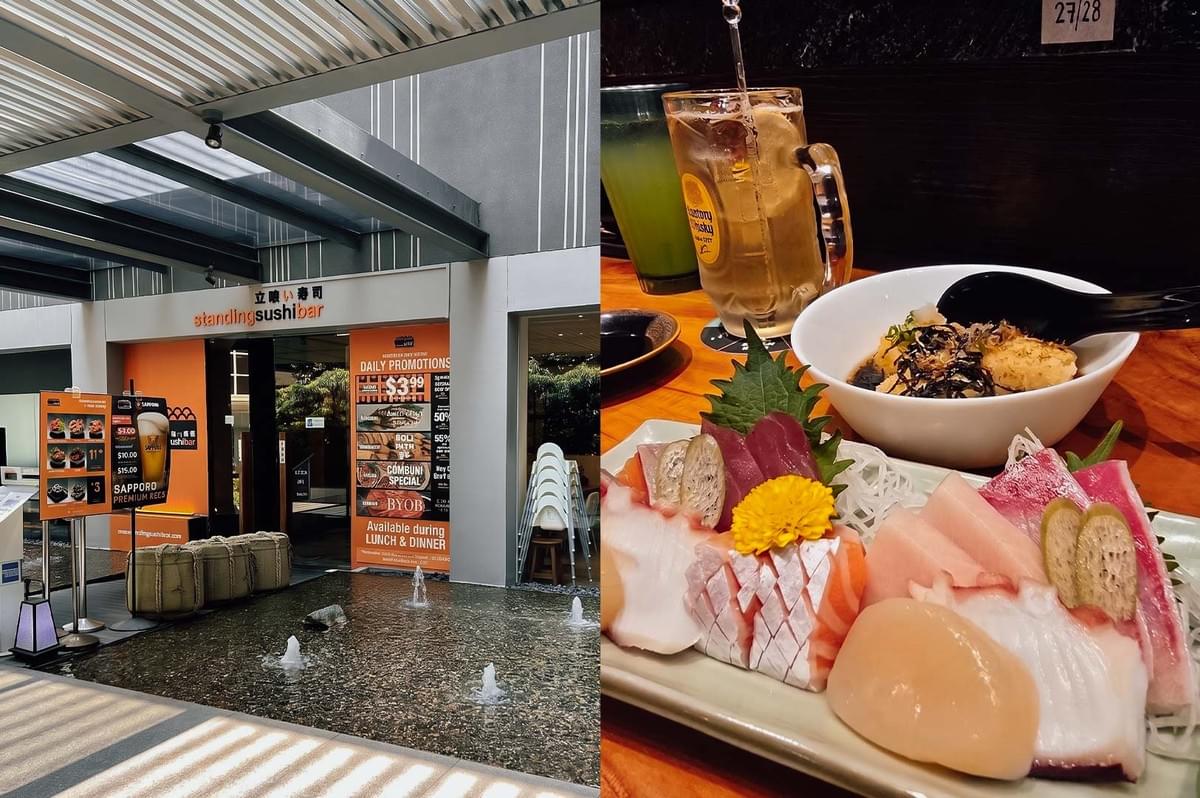
How to arrive: City Hall MRT, a short walk to Odeon 331 at 331 North Bridge Road
What it costs: Affordable salmon sashimi at S$3.90 for five slices every Monday and Thursday; regular sashimi and omakase are also available
When this bowl shines: Weekday cravings, quick dinners, or when you want good raw fish without turning it into an occasion
There are nights when I want sashimi but do not want sashimi to become an event. Standing Sushi Bar understands that mood. The room has the easy energy of a casual sushi bar, and its long-running Salmon Madness promotion remains almost absurdly good value: five slices for S$3.90 on Mondays and Thursdays. The salmon arrives whole and is broken down in-house, which gives the casual sashimi more care than its price might suggest. Affordable sushi works best when affordability has not become an excuse to stop paying attention to the fish.
The menu goes well beyond salmon, with tuna sashimi, salmon belly and assorted sets alongside fresh sushi, rolls and a kaisen chirashi don. Even a soft shell crab maki can make sense here when not everyone at the table wants raw seafood. This is not trying to compete with the hushed counters elsewhere on this list; it is the place I would choose when sashimi lovers want something spontaneous and easy.
When this bowl shines: Quick bites of fresh sashimi and sushi in a lively setting
Not for when…: You want a formal, slow-paced meal
Little-known pleasures: Go on Monday or Thursday for the salmon promotion, but look beyond it once you are seated; the sashimi menu is broader than the deal that made the place famous
Choosing Your Sashimi Restaurant in Singapore
Not one of these is the "best sashimi Singapore" universally. That phrase still sits a little awkwardly with me when food depends so much on the night you are having. Sometimes I want the quiet ceremony of Shoukouwa or the refined omakase at Shinji by Kanesaka. Other times, I would rather stop at Araya Shouten, ask what came in well that week, and take home sashimi that reminds me how much of the experience is decided before a plate ever reaches the table. Season, sourcing, careful cold-chain handling and seafood air flown from Japan all shape that first bite.
Singapore gives us an unusually wide spectrum. Tatsuya and Ki-sho lean into seasonal seafood and slower Japanese dining; Tatsu works when the table wants both sashimi and cooked dishes; Tomi Sushi is the dependable choice when you want traditional Japanese food without committing to a long dinner menu; and Standing Sushi Bar proves that casual sashimi and good-value salmon can belong in the same conversation as formal omakase.
For a broader guide to these places and more, Expat Eat keeps mapping the city one meal at a time. Choose the place that fits the evening, sit at the sushi bar when there is one, or carry the fish home when there is not. The best sashimi is not always the most expensive or elaborate; sometimes it is simply the fish served, or opened at home, at the moment when everything about it feels right.
