

The first thing I notice is the smell.
Turmeric powder and coriander powder, ground together until they release something earthy and golden. A little garlic and fresh lime juice. The faint sweetness of palm sugar dissolving into kecap manis, that sweet soy sauce so essential to the marinade. It clings to my fingers as I soak bamboo skewers overnight so they don't catch fire, then thread strips of marinated chicken onto the wooden skewers.
Outside my window, the city hums — traffic, an air-conditioning unit dripping somewhere below, the muffled television of a neighbor I've never met. Inside, my small kitchen has briefly become somewhere else entirely.
This is how I make Indonesian satay now. Not over open coals on an outdoor grill, the way I remember it. But on a cast iron grill pan, on a stovetop, in an apartment where the smoke alarm sits a little too close to the kitchen for comfort.
It isn't the same. But it is enough. And some evenings, enough is its own kind of grace. Discover practical tips and inventive ideas to bring the warmth and flavor of Indonesian satay into your apartment kitchen at expateat.com, where tradition meets modern living.
What Indonesian Satay Carries
Satay is older than most of us realize. It traveled and changed with the people who cooked it, shaped by trade routes and migration, by Arab and Indian and Chinese hands long before it became the dish so many of us think of as quintessentially Indonesian.
In Indonesia, it is everywhere and yet never quite the same twice. Sate ayam in one province, Malaysian satay chicken with its bold marinade in another. Satay lilit in Bali, minced and pressed around lemongrass stalks. Each version says something about the place it comes from — what grows there, what people can afford, what their grandmothers taught them.
I grew up with the sound of it more than anything. The rhythmic fanning over coals. The hiss of chicken skin hitting fire. A satay seller pushing his cart through the evening, the smoke trailing behind him like a slow ribbon.
You knew dinner was near not by a clock, but by that smell drifting up from the street.
The Marinade Ingredients Remember
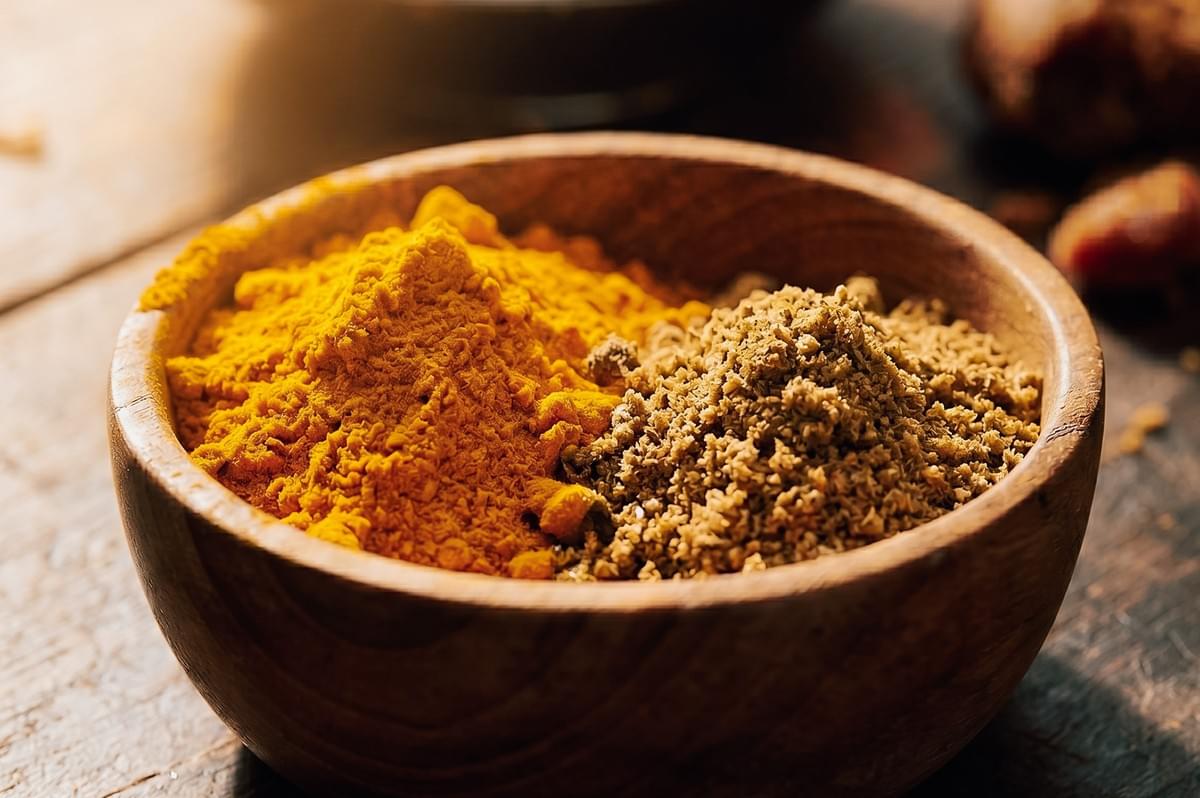
The heart of any satay recipe is the marinade ingredients, and this is the part that travels well, even when nothing else does.
You don't need a courtyard or an outdoor grill for this. You only need patience and a few hours. The chicken pieces — whether chicken breasts or skinless chicken thighs — sit in their bath of spice overnight, growing tender and deeply seasoned. By morning the meat has taken on the color of turmeric powder, and your refrigerator smells faintly of home.
A good marinade asks for:
- Turmeric powder and coriander powder, the backbone of the flavor
- Garlic and fried shallots, ground into a rough paste (a food processor helps here)
- Kecap manis, that thick, sweet soy sauce that does so much heavy lifting
- Palm sugar or brown sugar, for the caramel edge
- A little vegetable oil or canola oil, to help everything cling and char
When I first moved away, I spent too long mourning the things I couldn't find. The right shallots. The specific brand of kecap manis my mother used. Then slowly, I learned to let go.
Store bought peanut butter or chunky peanut butter can stand in for roasted peanuts when making the peanut sauce. A splash of regular soy sauce with a spoonful of molasses approximates kecap manis well enough on the nights you've run out. Galangal is lovely, but ginger will not betray you. The dish bends. It forgives.
That, I think, is what makes it a dish for people living far from where they began.
Grilling Indonesian Chicken Satay Without a Grill
Here is the truth no one tells you about urban cooking: you can make almost anything work if you stop insisting it be perfect.
Chicken satay was built for fire and smoke, and apartment grilling will never fully replicate that. But it comes closer than you'd expect.
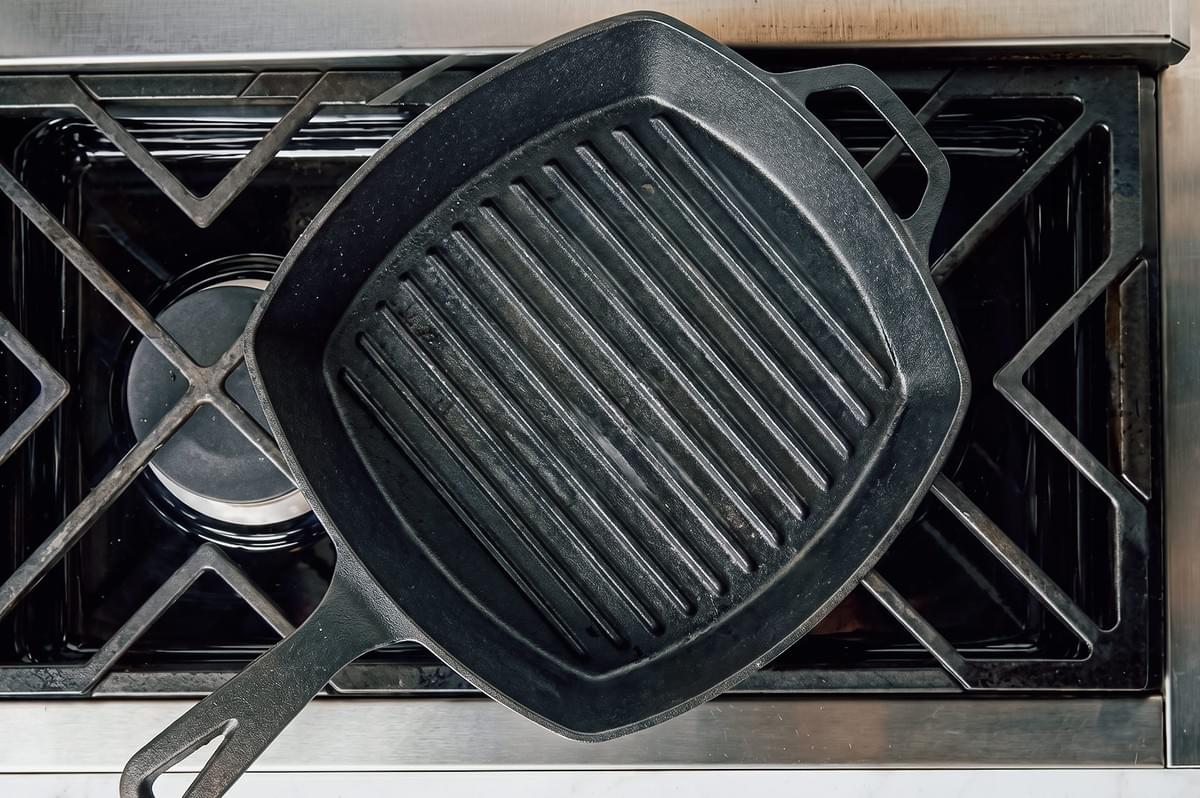
I use a cast iron grill pan, heated until a drop of water dances and vanishes at medium high heat. The satay skewers go down in a row, and the kitchen fills with that familiar crackle. The ridges leave their dark lines across the grilled chicken — not quite char, but close enough to fool the heart.
For those with a balcony, a small indoor grill or even a George Foreman grill changes everything. No open flame, no neighbors complaining, just enough heat to coax out that lacquered, slightly blackened edge with crispy edges.
A few things I've learned, cooking chicken skewers at home in small spaces:
- Open a window and turn on the exhaust fan before you start, not after the smoke arrives
- Soak bamboo skewers for at least an hour, or use metal skewers if preferred
- Don't crowd the pan — the marinated chicken steams instead of sears when it's packed too tight
- Finish with a brush of marinade in the last minute for that glossy, caramelized satay sauce glaze
If you prefer, you can also pan fry or air fry the chicken thighs or chicken breasts. The air fryer is a useful tool for evenly cooking satay skewers with nicely charred edges, especially when the cook time is short.
For more tips on cooking skewers and grilling in small spaces, check out Expat Eat.
The Peanut Sauce, and the Waiting
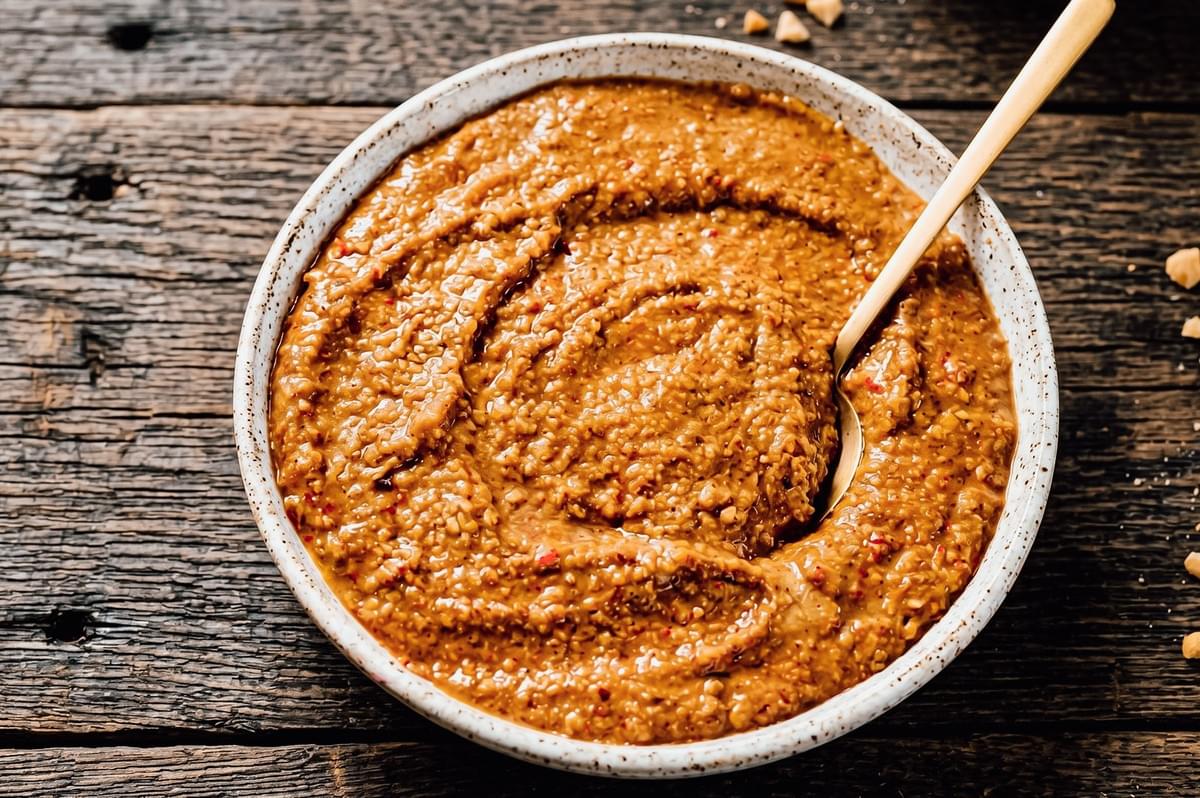
No satay recipe is complete without its peanut sauce, and the patience pays off here.
Roasted peanuts ground coarse, or a blend of chunky peanut butter and coconut milk, with a little chili, lime leaves, garlic, and more kecap manis. It thickens on the stove while the skewers rest, and the whole kitchen turns warm and nutty and slightly sweet.
I always make too much peanut sauce. I think this is a habit I inherited — the assumption that someone else will be coming, that there will be more mouths than the ones currently present.
In my mother's house, satay was never a meal for one. It was a gathering disguised as dinner. People stood around, picked skewers straight from the plate, dipped and talked and reached across each other. The eating was loud and unhurried.
Cooking it alone in a quiet apartment, I sometimes feel that absence keenly. The sauce is the same. The smell is the same. But the table is smaller now.
Leftover peanut sauce stored in an airtight container keeps well for days and can be warmed gently or serve hot at room temperature as a dipping sauce.
Small Rituals, Far From Home
And yet.
There is a particular comfort in recreating something with your own hands, even imperfectly, even alone. The making becomes its own form of remembering.
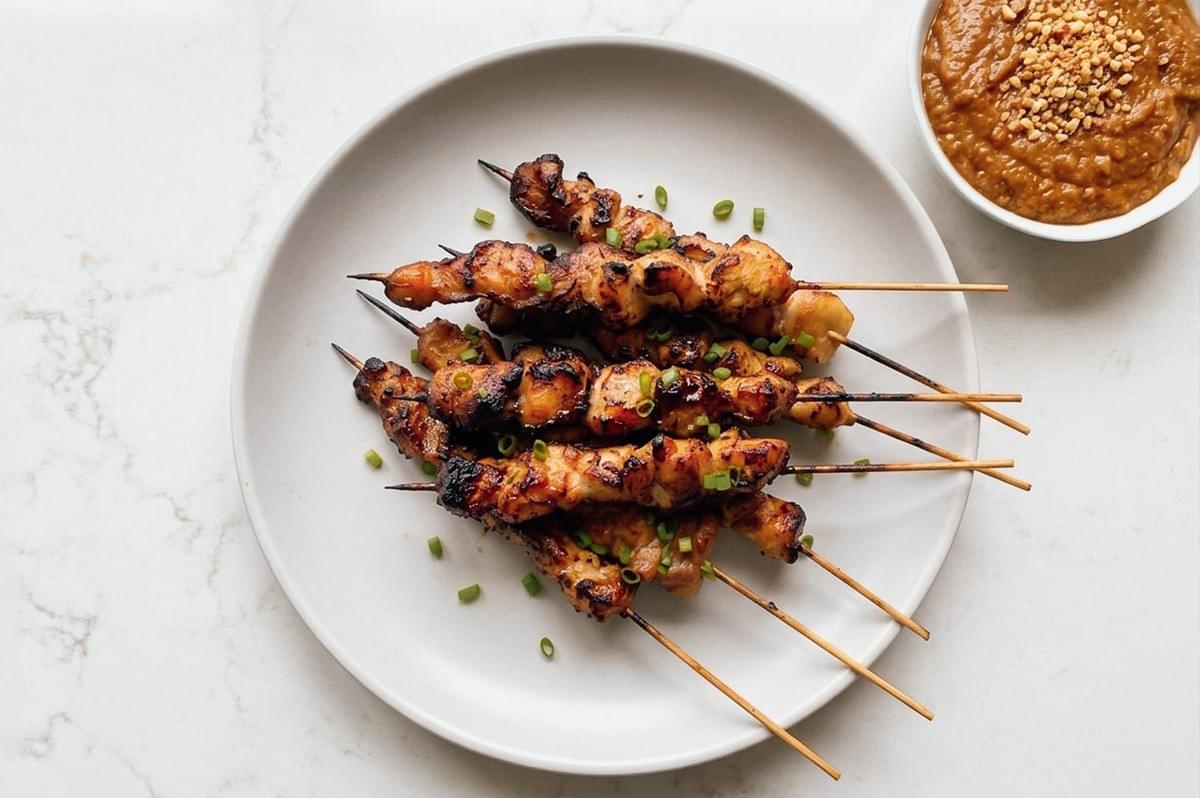
When friends come over — and they do, drawn partly by that smell seeping under the door — the apartment shrinks pleasantly. We crowd around the low table. Someone always burns their fingers reaching too soon. The peanut sauce disappears faster than I can refill it.
For an evening, the distance closes. Not entirely, but enough.
I've come to believe this is what food does for those of us living between places. It doesn't erase the homesickness. It holds it gently, gives it shape, turns it into something we can taste and share rather than simply carry.
A skewer of satay won't take me back. But it sits me down for a moment in a memory, and lets me stay there as long as the plate is full.
An Invitation to Try This Chicken Satay Recipe
If you've been telling yourself you can't make Indonesian satay because you don't have a grill, or the right marinade ingredients, or the courtyard you remember — I'd gently ask you to start anyway.
Mix the marinade tonight using turmeric powder, coriander powder, garlic, palm sugar, and kecap manis. Let it sit on your marinated chicken breasts or skinless chicken thighs. Tomorrow, heat your cast iron grill pan, open your window, and accept that it won't be exactly like home. Let it be its own thing instead. Let the smoke rise in your small kitchen and fill the rooms with something familiar.
Then call someone over, if you can. Make too much satay sauce. Burn your fingers on the first chicken skewer.
The tradition was never really about the fire. It was about the gathering, the marinade that remembers, the way a smell can hold a whole childhood inside it.
That, you can carry anywhere.
