

The ceiling fan rattles above, pushing thick, humid air across the kitchen tiles. Outside my window, a sudden monsoon shower drums heavily against the glass, washing the dense green leaves of the banana trees. But inside my apartment, the air carries a completely different geography. The kitchen is thick with the sharp, savory tang of reducing beef broth, caramelized onions, and the distinct, vinegar-laced aroma of warm potato salad.
It is thirty-two degrees Celsius in Southeast Asia, but on my stove, it is a cold November evening in Bavaria.
For expatriates, the kitchen often functions as a time machine, or perhaps a teleporter. We stand over our stovetops, wielding wooden spoons, trying to recreate the exact flavor of a memory. But cooking German comfort food—a cuisine historically shaped by dark winters, deep forests, and the need for high-calorie warmth—presents a unique emotional and physical paradox when you live near the equator. We find ourselves yearning for heavy braises, rich gravies, and fried meats in a climate that practically demands iced tea and cold salads.
Understanding this paradox is part of the expatriate journey. It is a lesson in how we anchor ourselves in unfamiliar environments, and how we must inevitably allow our traditions to bend, shift, and adapt to the soil we currently stand on.
The Geography of Our Cravings
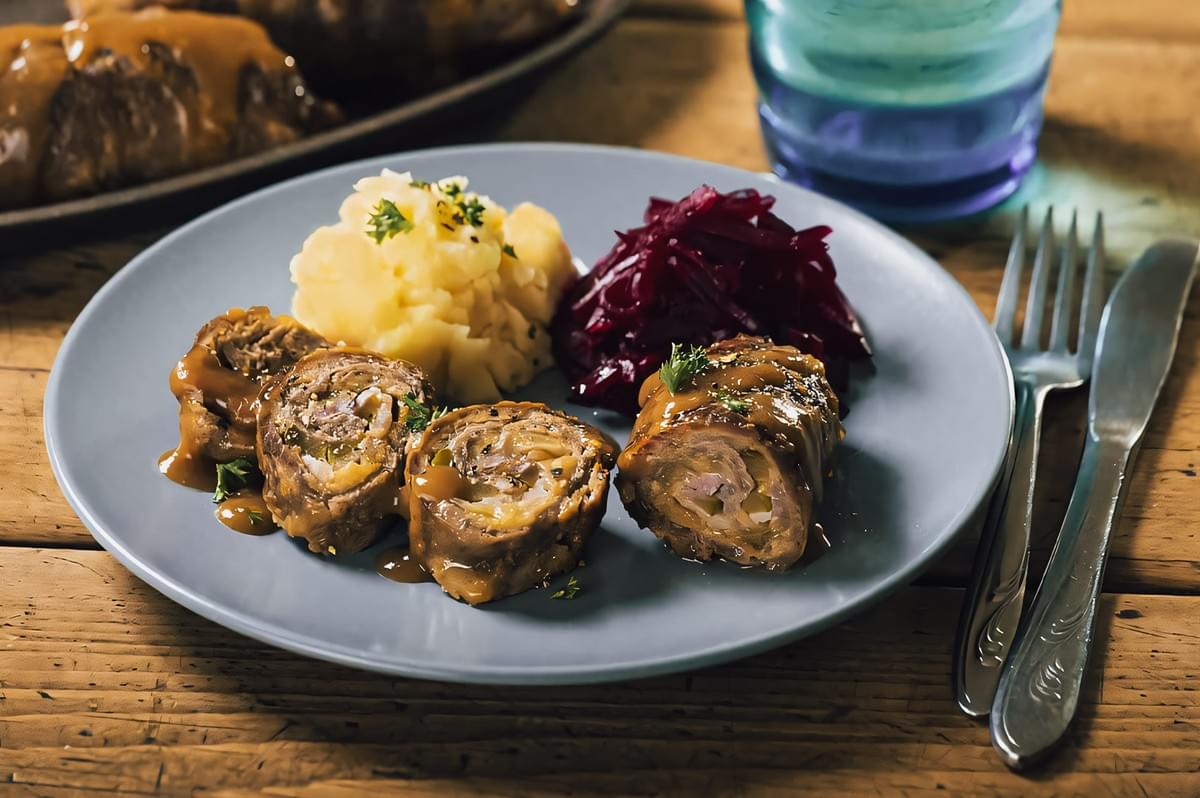
Physical hunger asks for nourishment; emotional hunger asks for home. When you move to a new country, especially one with an entirely different climate and culture, your body physically adapts to the heat. You learn to drink more water, you seek out shade, and your palate slowly adjusts to the bright, spicy, and acidic profiles of tropical local foods.
Yet, there are days when the adaptation feels exhausting. You might feel overwhelmed by a language barrier, frustrated by a misunderstood cultural nuance, or simply worn thin by the distance from your family.
Emotional Insulation Through Food
These hearty German dishes feel emotionally comforting because they are dense with history. They are meals designed to insulate and protect people against harsh outside elements.
When an expat faces the "harsh element" of severe homesickness or culture shock, we instinctively reach for the foods that have always provided us with a layer of emotional insulation. The warmth we seek is not physical; we have enough of that in the tropics. The warmth we seek is the feeling of belonging.
Finding Comfort in the Little Things
Sometimes, comfort arrives in smaller ways too. A familiar cup of tea in an unfamiliar neighborhood, the quiet ritual of stepping into a café during a storm, or discovering a taste that unexpectedly softens the distance between your old life and your current one.
For many expatriates, these moments become emotional landmarks in a foreign city, subtle reminders that belonging can arrive gradually and without announcement. You can find out more here.
The Collision of Climates in the Kitchen
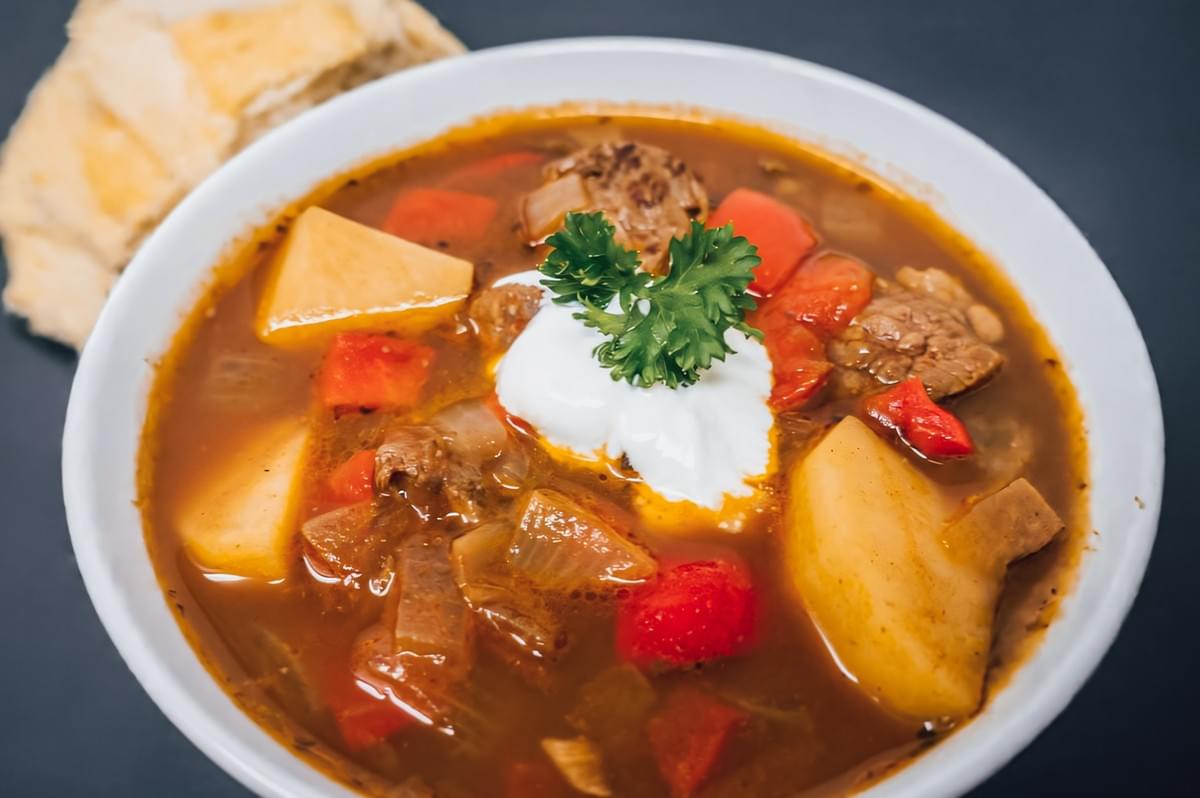
Of course, the physical reality of cooking winter food in a tropical environment is rarely glamorous. Standing over a pot of boiling water to make dumplings while the humidity index hovers at ninety percent is an exercise in pure devotion.
Many expatriates rely on the artificial chill of air conditioning to bridge the gap between their craving and their reality. We blast the AC in our dining rooms, drawing the curtains against the glaring equatorial sun, and sit down to eat Gulasch. It is a small, quiet rebellion against our current geography.
However, the real challenge usually lies not in the temperature of the room, but in the contents of the pantry.
When the Pantry Dictates the Recipe
Authenticity is a heavy burden to carry abroad. When you first arrive in a new country, you might spend hours visiting specialty grocers, paying exorbitant import prices for a specific brand of mustard or the exact type of flour required for a traditional dough.
Over time, this pursuit of perfect replication becomes exhausting. You realize that local ingredients behave differently.
- The Potato Problem: German cuisine relies heavily on specific potato varieties, meticulously categorized by their starch and wax content. In tropical Asian markets, the potatoes available are often entirely different, changing the texture of a Kartoffelsalat (potato salad) or making dumplings fall apart.
- The Breadcrumb Shift: Traditional Semmelbrösel used for breading meats are sometimes replaced by Japanese panko or local bakery crumbs, altering the crust of a classic Schnitzel.
- Dairy Differences: Cream, butter, and quark often have different fat contents and flavor profiles when produced in warmer climates, changing the mouthfeel of familiar sauces.
Letting go of exact authenticity is a necessary emotional hurdle. It is the culinary equivalent of accepting that your life abroad will not be exactly like your life back home.
Adapting the Classics for the Heat
As we settle into our host countries, a beautiful evolution begins to happen. We stop fighting our environment and start working with it. We realize that preserving our food traditions does not mean freezing them in time. It means allowing them to breathe.
Many expats find ways to lighten heavy German classics so they make sense on a warm, humid evening.
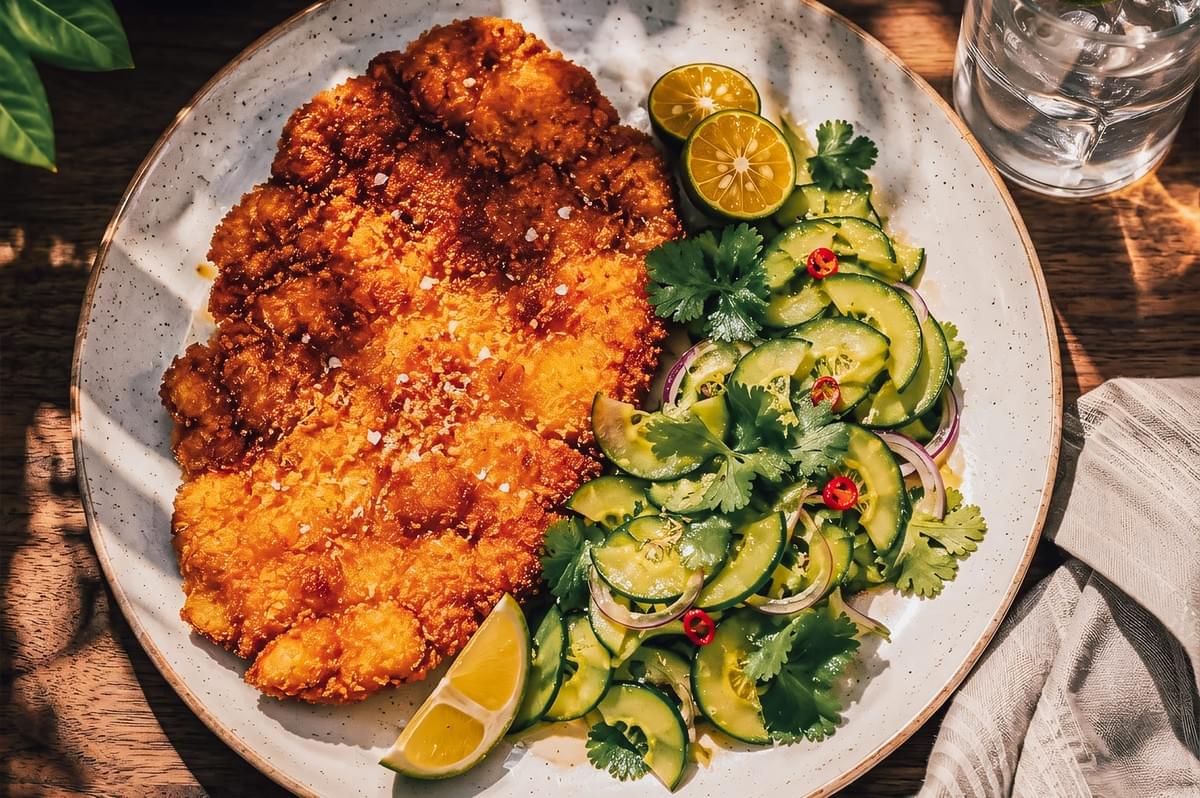
- Lightening the Sides: Instead of pairing a pork Schnitzel with a heavy, mayonnaise-based potato salad and buttered vegetables, we might serve it alongside a bright, acidic cucumber salad tossed with local herbs, or a slaw dressed lightly with rice vinegar.
- Reimagining the Roast: Slow-cooked meats can be shredded and served over lighter, locally sourced grains instead of dense bread dumplings.
- Embracing the Grill: Germany has a robust grilling culture (Grillen). Expatriates in warm climates often lean heavily into this tradition, making local sausages or marinated meats over an open flame, pairing them with crisp, fresh salads that suit the evening heat.
These adaptations do not dilute the heritage of the food. Instead, they tell a new story. They reflect the reality of a family bridging two distinct worlds.
A Legacy of Continuity
For expatriate parents, the act of cooking these hybrid, adapted meals carries an even deeper significance. We want our children to know the flavors of their heritage, but we also want them to feel comfortable in the world they currently inhabit.
When a child grows up eating Spätzle alongside a plate of stir-fried local greens, they are learning something profound about identity. They are learning that culture is not a rigid set of rules confined to a specific geographic border. Culture is portable. It can travel across oceans, survive the humidity, and blend beautifully with new influences.
Food becomes the thread of continuity. Even if the mustard is a different brand, and the potatoes have a slightly different texture, the ritual remains the same. The act of gathering around the table, slicing into a piece of breaded meat, and sharing the events of the day provides a sturdy, reliable rhythm.
Embracing the Hybrid Meal
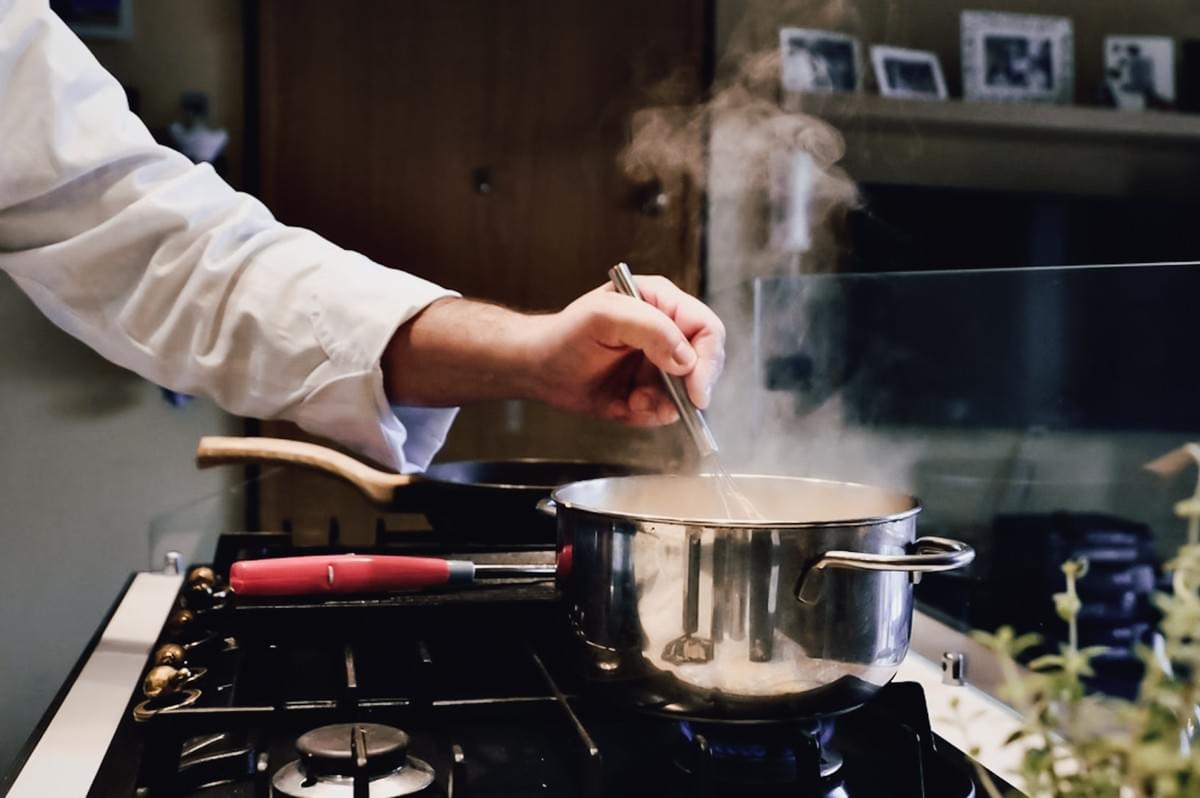
Living away from your home country requires a constant, delicate balance between holding on and letting go. We hold on to the memories of snowy afternoons and the scent of roasting meat, but we let go of the need for everything to be exactly as it was.
The next time you find yourself yearning for a heavy, comforting dish from home while the tropical sun beats down outside, I encourage you to lean into the craving. Go to the market and buy the best ingredients you can find, even if they are not the ones your grandmother used.
Turn on the fan, let the kitchen fill with the rich, savory aromas of your heritage, and allow the meal to become whatever it needs to be today. It may not be a perfect replication of a Bavarian winter, but it is an honest, delicious reflection of exactly where you are right now. Your traditions are strong enough to withstand the heat.
