

The first month I lived abroad, I ate cereal for dinner more nights than I'd like to admit.
Not because I couldn't cook. Because by the time I got home — tired, a little homesick, standing in a kitchen that wasn't quite mine yet — the idea of making anything felt like too much. The supermarket shelves were unfamiliar. My favourite sauces were nowhere. And the rice cooker I'd left behind suddenly felt like the most important thing I'd ever owned.
Then one evening, out of stubbornness more than skill, I made a rice bowl. Chicken, garlic, a splash of soy sauce, whatever fresh veggies I could find. It took maybe twenty-five minutes. It wasn't perfect.
But it tasted like something. It tasted like I was going to be okay here.
That's what this guide is really about. Not just fast food after a long day — though we'll get to the practical parts. It's about how a plate of something warm and delicious, packed with bright flavor, can quietly hold you together when everything else feels new.
Why Quick Weeknight Meals Matter for Expats
When you move to a new country, your relationship with food changes whether you want it to or not.
The grocery store speaks a different language. The ingredients you reached for on instinct back home are either missing, expensive, or hiding under a name you don't recognise. Kitchens are often smaller. Work runs longer while you're proving yourself somewhere new.
So quick weeknight meals stop being a convenience and become something closer to survival — the good kind. They keep you fed without draining you. They save money you'd otherwise spend on delivery. And, quietly, they rebuild a sense of routine when the rest of your life is still finding its shape.
I've found that the expats who settle best are often the ones who figure out three or four easy dinner recipes early. Not fancy ones. Just meals they can make half-asleep, that taste enough like home to matter.
Easy 'Dinner Tonight' Recipes from Around the World
Here's what I love about easy international recipes: they travel well, even when you don't have the exact ingredients. The soul of a dish usually survives a few substitutions.
Let me share the ones I lean on.
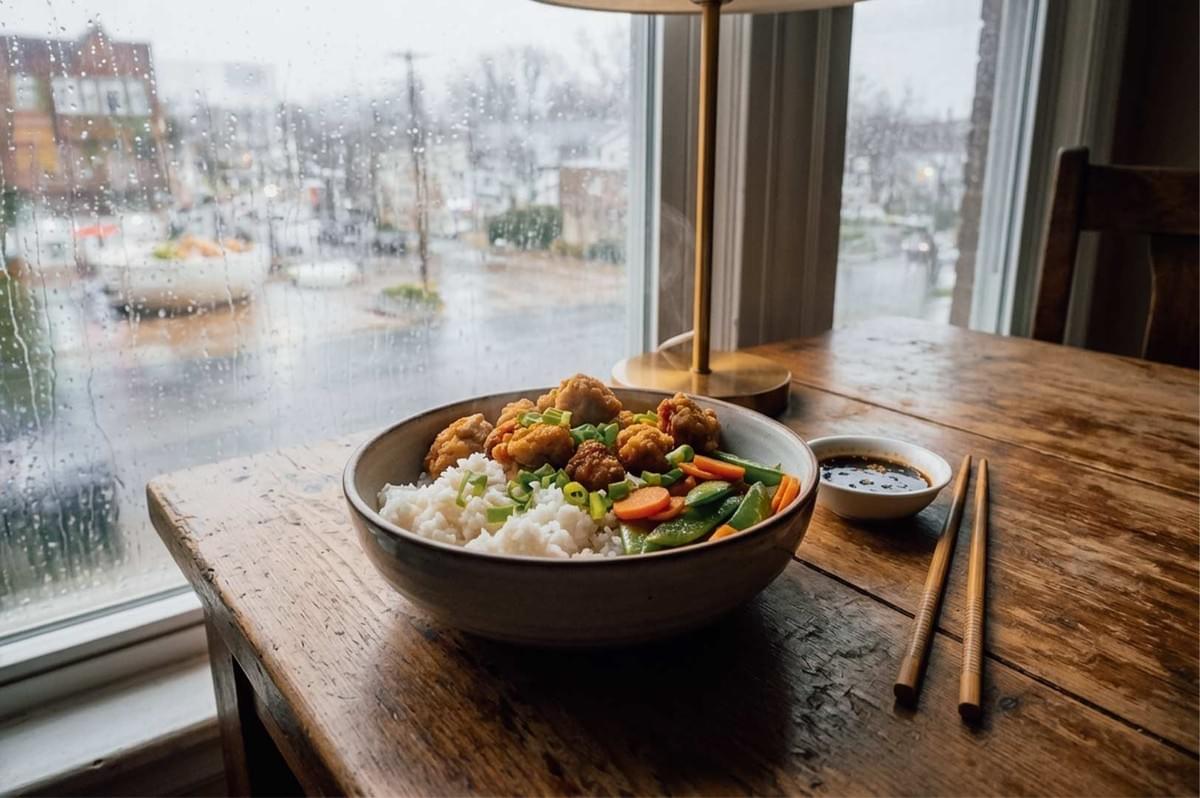
The Japanese-inspired rice bowl. Rice, a protein, something fresh on top, a good sauce. I'll pan-sear salmon or chicken, drizzle a mix of soy sauce, a little sugar, and grated ginger, and finish with spring onion and a bite of red pepper for a flavorful kick. Fifteen minutes if the rice is already cooked. When I miss the feeling of a proper Japanese meal out — the kind you'd find at a good izakaya in Singapore — this bowl is my quiet substitute at home.
If you’re craving the real experience, continue reading here about the Japanese dining spots that bring that same warmth, sharing culture, and comfort to the table.
Mexican tacos. Brown some minced pork or chicken with cumin seeds, garlic, and a pinch of chili. Warm the tortillas. Put out cheese, tomatoes, corn, and whatever fresh veggies are in the fridge, and let everyone build their own. On nights I have friends over, quesadillas do the same job — cheesy, savory, folded and crisped in a dry pan in minutes.
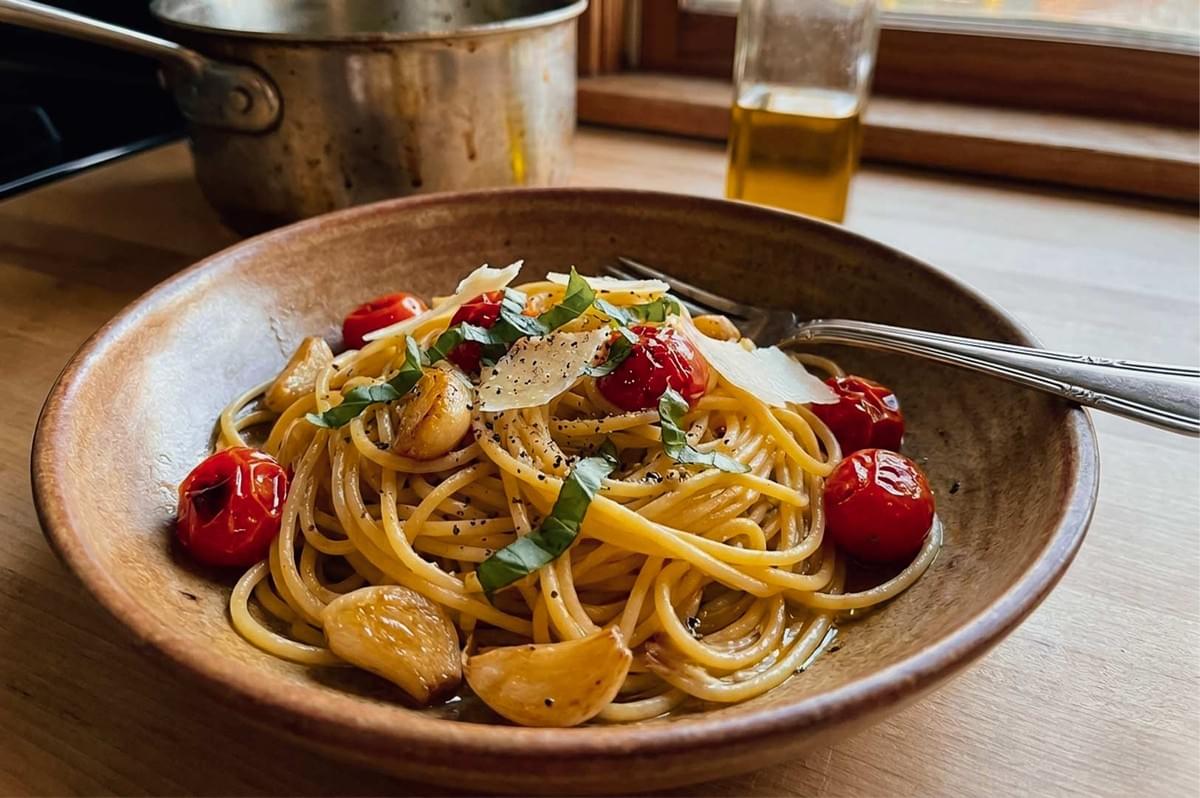
Italian pasta. The one everyone should know. Garlic in olive oil, tomatoes, whatever protein you have, fresh herbs torn in at the end. A creamy version comes together just as fast with a spoon of the starchy pasta water. Ready before the table's even set.
Singapore-inspired chicken rice bowl. Poach or pan-cook chicken breasts, serve over rice cooked with a little ginger and garlic, add sliced cucumber and a chili-soy sauce on the side. It's not hawker chicken rice — I won't pretend it is — but it carries the memory of it, which some nights is enough.
One-pot noodle soup. The lazy hero. Broth, noodles, a handful of fresh veggies, tofu or leftover meat, finished with a squeeze of lemon or lime for brightness. One pot, one bowl to wash, twenty minutes.
Meal Prep Strategies for Busy Weeknights
I resisted meal prep for years. It felt joyless — all those identical containers lined up like a punishment.
Then I realised I was doing it wrong. Meal prep isn't about cooking a week of sad, sealed dinners. It's about setting your future self up with pieces, not finished meals.
On Sundays, I cook a big pot of rice. I mince a small bowl of garlic and ginger and keep it in the fridge. Sometimes I marinate chicken breasts or turkey ahead overnight so they're ready to hit the pan the moment I walk in. None of it is a full meal. All of it saves me twenty minutes on a Wednesday when I have nothing left to give.
Leftovers are part of this too, and I've learned to plan for them instead of resenting them. Roast a little extra chicken and it becomes tomorrow's tacos. Last night's rice becomes fried rice tonight. Cooked vegetables slide straight into pasta. Nothing goes to waste, and nothing feels repetitive if you let it change shape.
Easy Weeknight Dinners Built Around Your Pantry

A good pantry is quietly the most important thing in an expat kitchen. It means dinner tonight doesn't depend on a grocery run.
Mine, wherever I've lived, always holds a few constants. Soy sauce, of course. Garlic and ginger. Dried noodles and rice. Pasta and a couple of tins of tomatoes. Olive oil, some dried herbs, cumin seeds, chili. A block of cheese in the fridge and a few eggs.
With just those, I can pull together most of the meals above without thinking. That's the real trick to easy 30 minute meals — not following a recipe to the letter, but knowing your pantry well enough to improvise.
I think of it like a small vocabulary. Once you have the words, you stop translating and start speaking. A stir-fry becomes obvious: aromatics, protein, fresh veggies, sauce, done. A soup builds itself. You stop asking "what's the recipe" and start asking "what do I have."
Cooking Chicken Breasts and Other Proteins Fast
For a long time, I overcooked chicken breasts into dry, sad little pucks. It put me off cooking them at all.
The fix was almost embarrassingly simple. Slice them thin, or butterfly them so they're even, and they cook in a fraction of the time. A hot pan, a few minutes each side, and they stay tender. Salt them first. Let them rest a minute after. That's it.
Tofu is even more forgiving and faster — press out some water, sear it hard, and it drinks up whatever sauce you give it. Seafood is quickest of all; prawns take two minutes, and a fish fillet not much more.
And if the stovetop feels like too much to manage after a long day, the oven does the work for you. Lay chicken, potatoes, corn, and fresh veggies on a baking sheet, toss with oil and seasoning, and roast everything together. One tray, barely any washing up, and time to sit down while it cooks.
Common Mistakes to Avoid on Busy Weeknights
I've made all of these, so let me save you the trouble.
Choosing recipes with too many moving parts. A homemade sauce, three sides, a garnish that needs its own prep — before you know it, your thirty-minute dinner is a ninety-minute ordeal and it's nearly bedtime. On weeknights, pick one-pan meals, noodle bowls, or a simple pasta. Save the ambitious cooking for a slow weekend.
Trusting the recipe's clock. When a recipe says "30 minutes," it rarely counts the chopping, the washing, or the oven preheating. I've learned to read a recipe fully before starting and add ten honest minutes in my head. Fewer nasty surprises that way.
Ignoring leftovers. Treating every night as a blank slate is exhausting. The cooks who make it look easy are usually just being clever with what they already made.
Under-seasoning out of tiredness. Fast doesn't have to mean flat. Garlic, ginger, a good sauce, fresh herbs at the end — these build real flavour in seconds, not hours. Don't skip them because you're rushed. They're the whole point.
FAQ
Are 30-minute meals actually realistic?
Yes — but only if you set yourself up. With a cooked pot of rice, some prepped aromatics, and a stocked pantry, most of the meals here genuinely land in under half an hour. Starting from a completely empty kitchen every night is where the promise falls apart.
How do I make quick meals that still taste good?
Layer flavour fast instead of slow. Aromatics like garlic and ginger, umami from soy sauce, brightness from lemon, freshness from herbs at the end. That's how quick cooking keeps its soul.
What if I can't find the right ingredients abroad?
Adapt without guilt. Curry powder stands in for a paste. A different cheese still melts. Another cut of pork still braises. The feeling of a dish survives substitution far better than we fear.
What's the cheapest way to eat well on weeknights?
Noodles, rice bowls, and vegetable pasta usually land around $3–8 a serving. A family taco night comes in around $15–30 total. Cooking at home nearly always beats delivery, and it tastes more like yours.
Where can I read more about food and life abroad?
There's a growing library of stories and guides over at expateat.com if you want company on the journey.
A Final Word Before You Cook
Here's what I know now that I didn't during my cereal-for-dinner month.
A quick meal is never just about the clock. It's about proving to yourself, on an ordinary Tuesday in an unfamiliar place, that you can still make something warm with your own hands. That home isn't a location you left behind — it's a smell of garlic in a pan, a bowl you've made a hundred times before.
So start small. Learn three dishes. Stock your pantry. Forgive yourself the frozen peas.
And some quiet weeknight, when the rain's coming down outside and you're tired to your bones, you'll stand at the stove and realise the meal came together without you thinking about it. Twenty minutes. One bowl.
That's the moment you'll know you've settled in — not because life got easier, but because you learned to feed yourself well through it.
Now go cook something.
