

Ethical meat consumption is a growing concern for many, especially for expats navigating a new food system. Whether you’re exploring hawker food in Singapore or visiting a bustling market in a foreign country, finding meat that aligns with your values can feel overwhelming. For those who care about animal welfare, environmental impact, and their own health, sourcing humane and sustainable meat is worth the effort.
This guide explores how to make conscious choices, adapt to new food cultures, and take small steps toward more ethical meat consumption — even in unfamiliar settings. For more tips, recipes, and inspiration on mindful eating around the world, visit expateat.com. Join a community that celebrates delicious food, thoughtful choices, and the joy of discovering new flavors while caring for the planet.
Why Ethical Meat Consumption Matters
When it comes to eating meat, ethical considerations matter. Choosing meat from animals raised under humane and sustainable conditions has far-reaching benefits for the environment, animal welfare, and personal health. The treatment of animals destined for human consumption raises important ethical questions about animal suffering, welfare, and the responsibilities we hold as consumers.
Supporting Animal Welfare
At the heart of ethical meat consumption is the humane treatment of farm animals. Animals raised on pasture or free-range farms are treated humanely, with access to the outdoors and opportunities to express natural behaviors. This contrasts starkly with the conditions of factory farms, where animals often endure confinement and unnecessary suffering. For instance, pasture-raised chickens live more natural lives, while mass-produced chickens are confined to small spaces, unable to spread their wings. Additionally, animals in factory farms are often fed an unnatural diet, such as grain or artificial feed, which can negatively impact their welfare and the quality of the meat.
Environmental Impact of Meat Production
Meat production is a major contributor to greenhouse gas emissions, with factory farms being a significant culprit. Regenerative farming, which emphasizes soil health and biodiversity, offers a more sustainable alternative. By supporting local farms that practice sustainable methods, consumers can reduce their environmental footprint. Choosing plant based foods is another effective way to reduce greenhouse gas emissions and environmental impact, as these foods require fewer resources and cause less harm to the environment compared to animal-derived products. Whether it’s grass-fed beef used in beef rendang or pasture-raised pork ribs in bak kut teh, choosing ethically sourced meat helps combat climate change and supports healthier ecosystems.
Health Benefits of Ethical Meat Consumption
Ethically raised meat often has a superior nutritional profile. Grass-fed beef, for example, contains higher levels of omega-3 fatty acids and antioxidants compared to grain-fed alternatives. Chicken broth made from free-range birds is richer in flavor and nutrients, while eggs from pasture-raised hens have brighter yolks and more vitamins. By avoiding meat from animals given routine antibiotics, consumers can also reduce their exposure to drug-resistant bacteria.
The Expat’s Challenge: Navigating Foreign Food Systems
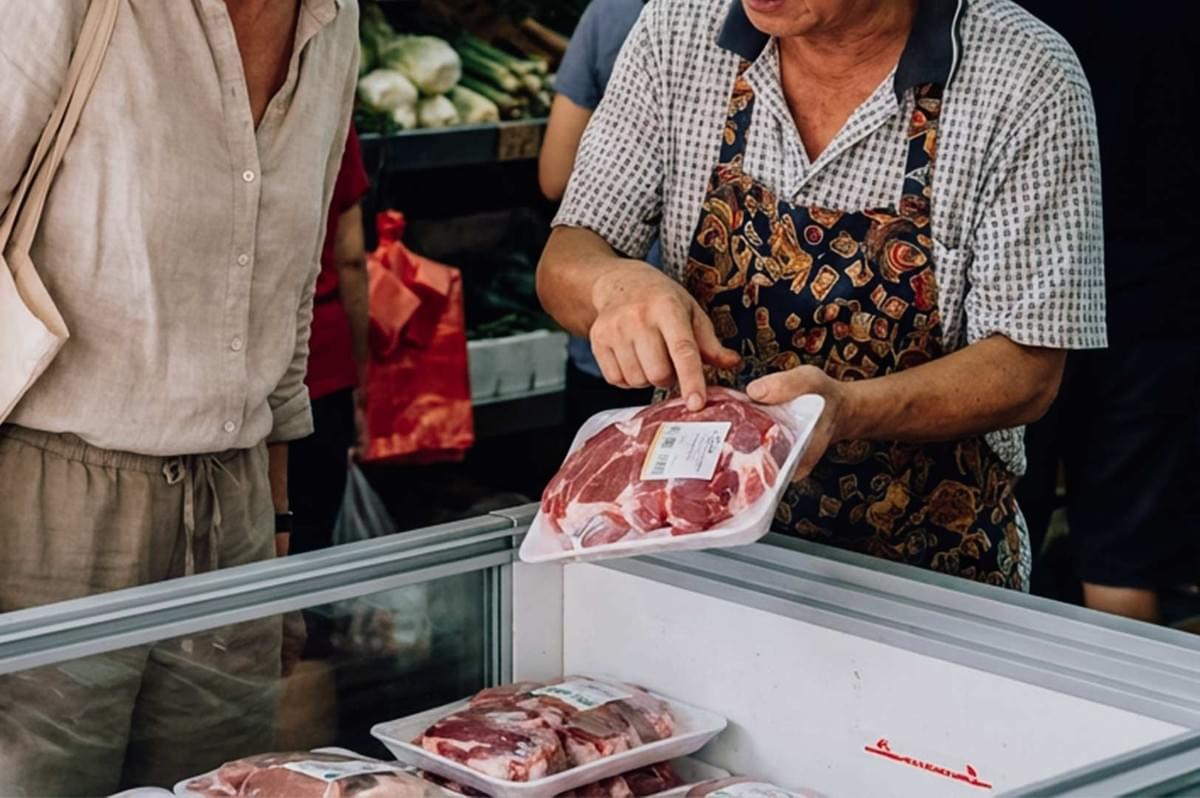
For expats, making ethical choices about eating meat in a new country can be daunting. From unfamiliar food labels to cultural differences, the challenges are real — but not insurmountable.
Understanding Food Labels Across Cultures
Food labeling varies widely between countries. A “free-range” label in one place may mean something entirely different elsewhere. In the U.S., USDA Organic ensures certain animal welfare standards, while in the EU, the green “Euro-leaf” symbol signifies organic farming practices. In Singapore, where certifications may not be as prominent, visiting local farms or trusted butchers can provide more clarity.
Language Barriers and Local Food Customs
Shopping for ethical meat often involves asking questions about how the animals were raised. But what if you don’t speak the local language? Using a translation app or learning key phrases like “grass-fed,” “free-range,” and “local farm” can bridge the gap. Additionally, understanding cultural norms can help guide your choices. Reading a blog post about local food customs and ethical eating can provide helpful tips for expats. For example, in Singapore, many small-scale farms still operate with humane practices, even if they lack formal certifications.
Cultural Significance of Meat in Local Cuisines
In many countries, food isn’t just about sustenance — it’s deeply tied to culture. Singaporean food, for instance, features iconic meat dishes like chicken rice, bak chor mee, and chili crab. Ethical meat consumption doesn’t mean giving up these beloved dishes; instead, it’s about finding better sources for the meat used in them. Supporting vendors at hawker stalls who prioritize quality and sustainability is one way to enjoy these dishes responsibly.
Singaporean cuisine is renowned for its diversity, featuring beloved dishes such as chai tow kway (a savory carrot cake made with rice flour), wanton mee (egg noodles with minced pork and char siu), and stir fried specialties like char kway teow with soy sauce. Meals are often complemented by a variety of side dishes and flavorful condiments like chili sauce and sambal chili. Other local favorites include oyster omelette, white rice noodles in beef noodle soup with thin slices of beef, yong tau foo stuffed with fish paste, and nasi padang served with an array of side dishes. Cantonese-style roast meat selections, Peranakan food that reflects the rich heritage of Peranakan culture, and desserts featuring red beans and pandan leaves further showcase the unique flavors of the region. Traditional breakfasts like kaya toast with soft boiled eggs, as well as iconic crab dishes such as salted egg yolk crab, all contribute to the vibrant and culturally significant food landscape of Singapore.
Decoding Labels: A Guide to Ethical Meat Certifications
Understanding food labels is essential when sourcing humane meat abroad. While labels vary, certain certifications and terms signal higher welfare practices.
Key Terms to Look For
- Organic: Organic certifications often ensure animals are raised without antibiotics or hormones, with access to the outdoors. Look for certifications like the USDA Organic seal, the EU’s green “Euro-leaf,” or Japan’s JAS label.
- Free-Range: This label indicates animals had some outdoor access. While it’s not always as high-welfare as pasture-raised, it’s a step up from factory farming.
- Grass-Fed: Often used for beef and lamb, this label signifies animals were raised on a natural diet of grass. Grass-fed meat is common in dishes like beef rendang or bak kut teh, offering a healthier and more sustainable option.
The Value of Local Farms
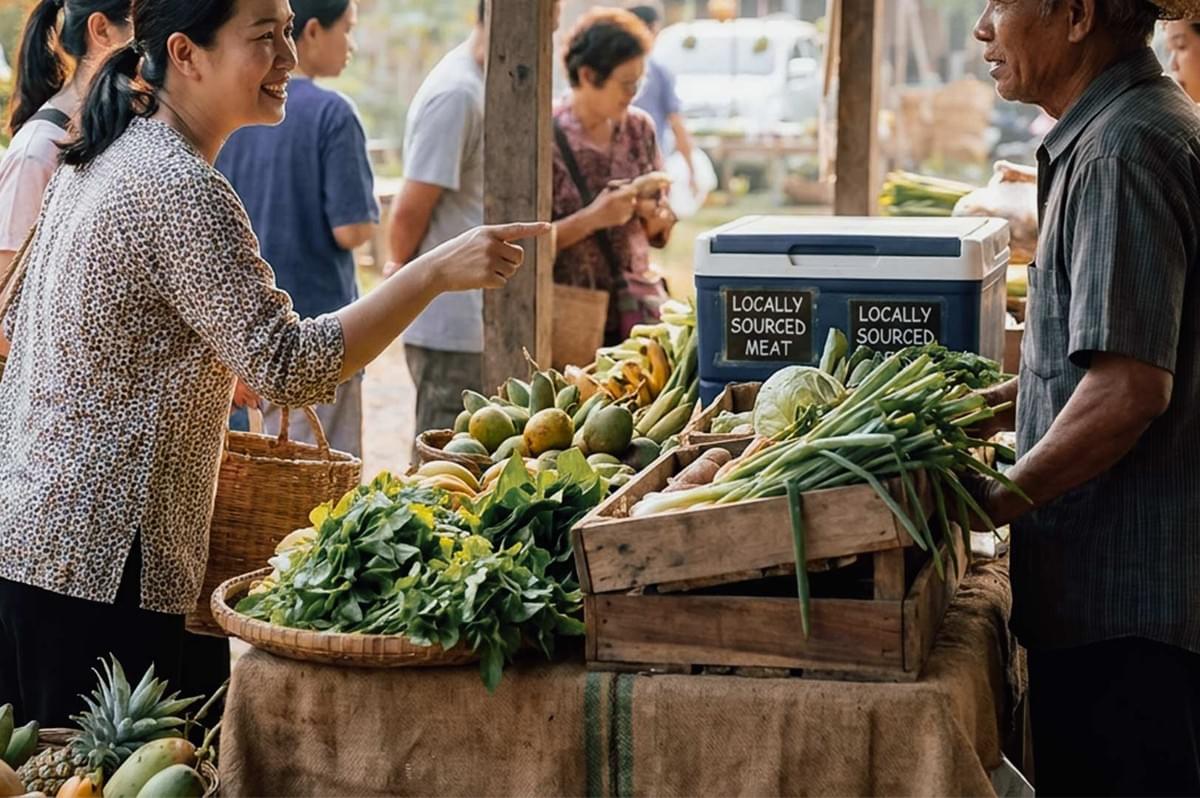
In many regions, buying from small, local farms is one of the best ways to ensure humane practices. Even without formal certifications, these farms often raise animals using traditional, sustainable methods. Visiting a farm or farmers’ market and speaking directly with producers can provide reassurance about the quality of their products.
Where to Find Ethical Meat Sources Abroad
Finding high-quality, humanely raised meat often requires looking beyond the supermarket. Here are some alternative options for sourcing ethical meat:
1. Farmers’ Markets
Farmers’ markets are excellent places to connect with local producers. In Singapore, markets often feature stalls selling fresh produce, meat, and seafood. Chat with vendors and ask about their farming practices — even if you rely on gestures and smiles.
2. Specialty Butchers
Independent butcher shops are another great resource. These shops often have direct relationships with farms and pride themselves on offering high-quality products. Whether you’re buying chicken for a chicken rice recipe or pork for char kway teow, a trusted butcher can guide you toward ethical choices.
3. Community Supported Agriculture (CSA)
CSA programs often include meat shares, allowing you to buy directly from local farms. This option is ideal for supporting farms that prioritize sustainability and humane treatment.
4. Online Platforms
Many farms now sell their products online, offering delivery directly to consumers. A quick search for “ethical meat in [location]” can lead you to local options, whether you’re in Singapore or elsewhere.
Global Ethical Meat Initiatives
Across the globe, a contemplative revolution unfolds—one that honors the sacred bond between land, animal, and table. This movement toward ethical meat transcends mere consumption; it represents a return to heritage, a sanctuary where craftsmanship meets conscience. Distinguished organizations such as the Global Roundtable for Sustainable Beef (GRSB) and the International Federation of Organic Agriculture Movements (IFOAM) serve as guardians of this philosophy. They curate standards that whisper of reverence—for the creatures in our care, for the earth that sustains us, and for the delicate artistry of regenerative farming that breathes life back into the soil.
Singapore, in its refined wisdom, embraces this contemplative approach through the "Singapore Food Story" initiative—a testament to the island's commitment to cultivating a sanctuary of local sustenance. Here, the pursuit of self-reliance becomes poetry in motion. Artisanal farms practicing pasture-raised and free-range methods offer a serene alternative to industrial haste. When one savors the heritage comfort of chicken rice, the soul-warming depths of pork ribs soup, or the aromatic complexity of beef rendang, each morsel carries the essence of mindful stewardship. These dishes, elevated by ethical provenance, invite us to pause and appreciate the craftsmanship that transforms simple ingredients into culinary meditation.
For the discerning traveler and contemplative consumer, certain words become beacons of authenticity in this landscape of conscious choice. Seek the gentle assurance of "pasture-raised," the tranquil promise of "free-range," the dignified seal of "certified humane." These are not mere labels but invitations to participate in a philosophy of presence and respect. In choosing such carefully curated offerings, one becomes part of an exclusive yet welcoming movement—a sanctuary where every meal becomes an act of refinement, every bite a meditation on our interconnected heritage with the natural world.
Adapting to Local Food Cultures While Staying Ethical
Exploring local food cultures is one of the joys of living abroad. In Singapore, hawker stalls serve iconic dishes like chili crab, char kway teow, and bak kut teh. These dishes are typically served with traditional accompaniments such as steamed rice, sambal, or limes, and are presented in a straightforward, no-frills style that highlights their authentic flavors. While these dishes often feature meat, there are ways to enjoy them more ethically:
- Ask Questions: Engage with hawker stall owners about their ingredients. Many are happy to share where their meat comes from.
- Prioritize Quality Over Quantity: Opt for dishes made with high-quality meat, even if they cost a little more.
- Explore Plant-Based Options: Singapore’s diverse food scene also includes plant-based dishes, from nasi lemak with ikan bilis to fried tofu in yong tau foo.
Budget-Friendly Tips for Ethical Meat Consumption
Ethically raised meat can be more expensive, but there are ways to make it affordable:
- Eat Less, But Better: Focus on smaller portions of high-quality meat, complemented by hearty sides like rice noodles, white rice, or rich coconut milk-based curries.
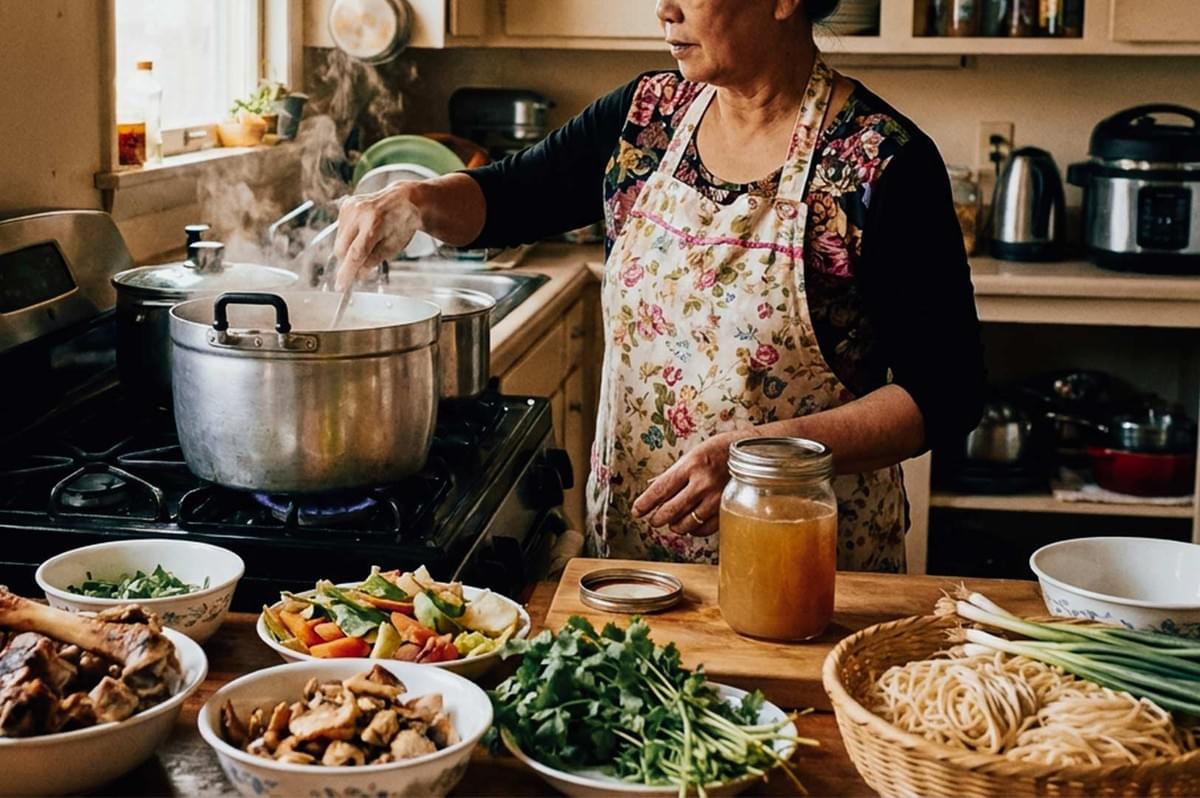
- Use the Whole Animal: Try cooking with economical cuts of meat or making broth from bones. Chicken broth, for example, is a base for many dishes and adds extra flavor without waste.
- Buy in Bulk: Purchasing meat in larger quantities from a trusted source can reduce costs over time.
Similar ethical considerations apply to dairy products, as cows are often raised specifically to produce milk, which involves practices like calf separation and artificial insemination; choosing dairy from humane sources can also make a difference.
Your Journey Toward Ethical Meat Consumption
Transitioning to ethical meat consumption as an expat is a process of exploration and learning. By supporting local farms, engaging with food producers, and making informed choices, you can enjoy dishes like Singapore chili crab or fried chicken while staying true to your values.
Take the first step this week: visit a farmers’ market, cook a dish like bak chor mee using ethically sourced pork, or simply learn how to say “free-range” in the local language. Each small action contributes to a more sustainable and compassionate food system.
Ethical meat consumption isn’t about perfection; it’s about progress. With every mindful choice, you’re taking a stand for animal welfare, environmental sustainability, and healthier food systems. Enjoy your journey, one conscious meal at a time.
