

There are dishes that comfort, and then there are dishes that define comfort. Egyptian Koshari falls squarely in the latter category. As Egypt's beloved national dish, it's a vibrant, satisfying combination of rice, lentils, pasta, chickpeas, and crispy fried onions topped with a tangy tomato sauce. Whether you're looking for a filling meal prep idea, exploring vegetarian recipes, or just seeking a comforting bowl of street food, Koshari checks all the boxes. Despite its multiple components, the process of making Koshari is fairly simple and manageable for home cooks.
This guide will take you through an authentic Koshari recipe, breaking down its components, history, and why it's a perfect addition to your weeknight dinners or your meal prep routine. With simple pantry staples, a mix of fresh veggies, and just the right amount of spice, Koshari is a one-pot wonder you'll want to make again and again.
For more delicious recipes and culinary inspiration, visit us at expateat.com — your go-to destination for authentic global flavors and easy meal ideas.
What Is Koshari? Egypt's National Dish
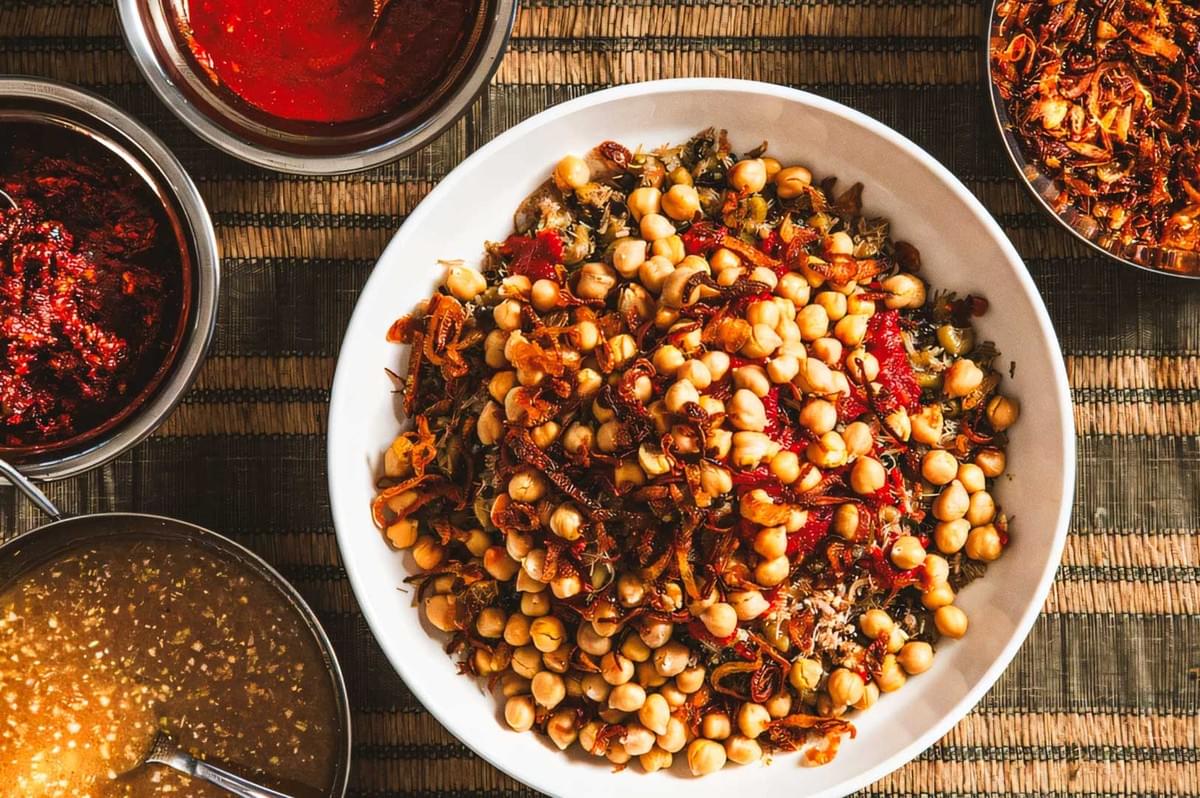
Koshari, also spelled Kushari or Koshary, is more than just a mixed rice dish—it's a cultural institution. In Egypt, Koshari is street food at its finest, a dish that's served everywhere from bustling street carts to dedicated restaurants. The concept is simple yet brilliant: layers of short-grain rice, lentils, and small pasta come together, topped with garbanzo beans, tangy tomato sauce, and crispy onions. Each bite is a balance of textures and flavors: soft rice, chewy pasta, crunchy onions, and a bold red sauce.
For expats or anyone new to Egyptian cuisine, Koshari is often a revelation. It's hearty, budget-friendly, and incredibly adaptable. Like other grain bowls, Koshari serves as a sturdy, versatile base that can be customized with a variety of toppings, making it perfect for meal prep and balanced, satisfying meals throughout the week. Whether you're craving a quick and satisfying lunch, prepping meals for the week, or diving into street food staples, Koshari delivers.
A Brief History of Koshari: Street Food with a Global Influence

While Koshari is quintessentially Egyptian today, its roots trace back across the globe. Its history is a tale of cultural fusion:
- Indian Origins: The name "Koshari" is thought to come from khichdi, an Indian dish made of rice and lentils. British soldiers brought this dish to Egypt during the 19th century, where it evolved into what we know as Koshari today.
- Italian Inspiration: Pasta, a key component of Koshari, reflects the influence of Italy's long-standing presence in Egyptian history.
- Egyptian Innovations: The tomato sauce (salsa), garlic vinegar (da'ah), and crispy fried onions are purely Egyptian additions, giving the dish its distinct local character.
Koshari's evolution reflects Egypt's history of trade, migration, and cultural adaptation, making it a dish that's as much about storytelling as it is about flavor.
Why Koshari Is Perfect for Vegetarian Meal Prep
Koshari isn't just a comforting bowl of food; it's also a budget-friendly and practical meal prep idea. Here's why it works so well for your weekly cooking:
- Pantry Staples: The ingredients—short-grain rice, lentils, garbanzo beans, tomato sauce, and small pasta—are easy to find and affordable.
- Meal Prep-Friendly: Each component can be prepared fully ahead of time and stored in glass containers. Prepping in advance significantly reduces overall prep time during the week, so you can assemble individual portions for a quick and satisfying lunch.
- Customizable: Koshari is incredibly versatile. Add seasonal vegetables like brussels sprouts or sweet potato, or include protein options like boiled eggs for variety.
- One-Pot Efficiency: While Koshari involves several layers, much of the cooking can be done in one big pot, making cleanup a breeze.
Ingredients for the Perfect Koshari Recipe

Making Koshari may seem complex, but the ingredients are simple and easily accessible. For convenience, you can use store bought tomato sauce or passata instead of making the red sauce from scratch. Here's what you'll need:
For the Base:
- 1 cup brown lentils, rinsed
- 1.5 cups short-grain rice (or basmati rice for a lighter texture)
- 1 cup small pasta (like elbow pasta or ditalini)
- 1 can (15 oz) chickpeas, rinsed and drained (or dry chickpeas soaked and cooked) (also known as chick peas)
- 2 tbsp cooking oil
- 1 tsp ground cumin
- 1 tsp coriander
- Salt and pepper to taste
For the Tomato Sauce:
- 1 small onion, diced
- 4 cloves garlic, minced
- 1 can (15 oz) tomato sauce or crushed tomatoes
- 1 tsp ground cumin
- 1 tsp Baharat spice (or a pinch of cinnamon, allspice, and pepper)
- Red pepper flakes or cayenne pepper (to taste)
- 1 tbsp white vinegar
- 1 tbsp lemon juice
For a smoother tomato sauce, you can blend all the sauce ingredients together using a food processor before cooking.
For the Crispy Fried Onions:
- 2 large onions, thinly sliced
- 1/2 cup frying oil (vegetable oil works best)
- 1 tbsp flour (optional, for extra crispiness)
Optional Add-Ons:
- Seasonal vegetables like brussels sprouts, sweet potato, or bell pepper
- Quinoa as a grain substitute for rice
- Use leftover quinoa to make a quinoa salad for meal prep variety
- Boiled eggs for extra protein
How to Make Koshari: A Step-by-Step Guide
1. Fry the Crispy Onions
Start by preparing the fried onions, as the flavored oil will be used in other components. Heat the frying oil in a big pot over medium-high heat. Toss onion slices with a little flour and onion salt, then fry until golden brown and crispy. Drain on paper towels and set aside. Save the frying oil for later—it's packed with flavor.
2. Cook the Lentils and Rice
In a medium pot, heat 2 tablespoons of the reserved onion oil. Add the rinsed rice and toast for 2 minutes. Stir in the lentils, ground cumin, coriander, salt, and pepper. Add water (typically a 1:2 ratio of grains to water, but check package instructions) and bring to a boil. Reduce to low heat, cover, and simmer until tender.
3. Prepare the Pasta
Cook the small pasta in boiling water according to package instructions until al dente. Drain and toss with a teaspoon of the reserved onion oil to prevent sticking.
4. Make the Tomato Sauce
In a saucepan, heat another tablespoon of the reserved oil. Sauté the diced onion until soft, then add garlic and cook until fragrant. Stir in the tomato sauce, spices, vinegar, lemon juice, and red pepper flakes. Simmer for 15-20 minutes until thickened.
5. Assemble the Koshari
To serve, layer the rice and lentil mixture on a plate. Add the pasta on top, followed by chickpeas. Pour the tomato sauce over the dish, then garnish with crispy onions. Serve with a drizzle of garlic-vinegar sauce (da'ah) for an authentic taste.
Essential Cooking Techniques for Authentic Koshari

Crafting an authentic Koshari is a journey through Egypt's culinary heritage, where each step honors ancient grains and time-honored techniques. Begin by soaking brown lentils and short-grain rice to awaken their essence. Simmer the lentils in salted water until tender but firm, and cook the rice to fluffy perfection with a subtle bite.
The golden onions are the dish's highlight: slice them thinly and fry slowly in hot oil until deep amber and crispy. This caramelization adds a sweet crunch and infuses the oil, which can be used to enhance the rice or pasta for authentic depth.
The tomato sauce, the soul of Koshari, starts with sautéed garlic in fragrant oil, followed by crushed tomatoes, ground cumin, and red pepper flakes. Simmer for at least twenty minutes to develop a rich, aromatic flavor that reflects Egyptian heritage.
Assemble your Koshari by layering the rice and lentils, topping with spicy tomato sauce, golden fried onions, and tender chickpeas. Each bite delivers a satisfying blend of textures and authentic taste, celebrating Egypt's beloved street food tradition.
Variations for Every Diet
Koshari is wonderfully adaptable to suit different tastes and dietary needs:
- Gluten-Free: Replace small pasta with gluten-free options, or omit it entirely and increase the rice or lentils.
- Low-Carb: Swap rice for cauliflower rice and skip the pasta. Add extra sweet potato or seasonal veggies like brussels sprouts for volume.
- Extra Protein: Add boiled eggs, black beans, or dry beans cooked from scratch for a protein boost.
- Spicy: Use cayenne pepper or make a separate chili oil with red pepper flakes to drizzle on top.
Meal Prep Tips for Koshari
Koshari is a meal prep superstar. Follow these tips to save time and stay organized:
- Make in Bulk: Double the recipe to prep for the entire week.
- Store Separately: Keep the rice, lentils, pasta, tomato sauce, and crispy onions in separate glass containers. Assemble individual portions as needed to maintain freshness.
- Reheat with Ease: The components reheat well in the microwave or stovetop. Add a splash of water to prevent drying.
Nutrition Facts and Serving Size
This recipe serves 4-6 people, with a typical serving size of 1.5 cups. Each serving provides a nutritious balance of carbohydrates, fiber, and protein. The addition of chickpeas, lentils, and tomato sauce makes it rich in vitamins and minerals, while fried onions and spices add satisfying flavor.
Why You'll Love Koshari

Koshari is the ultimate comforting bowl. It's filling, flavorful, and steeped in history. Whether you're cooking for a family dinner, prepping meals for a busy week, or simply exploring new cuisines, this Egyptian Koshari recipe has something for everyone. From the tangy tomato sauce to the golden-brown crispy onions, every bite tells a story of tradition and creativity. For a touch of sweetness and added texture, try sprinkling dried cranberries on top of your Koshari bowl.
So put on some music, grab a big pot, and immerse yourself in the joy of making Koshari. Once you taste this layered masterpiece, you'll understand why it's Egypt's favorite street food—and why it deserves a spot in your kitchen too.
Conclusion
Koshari transcends the boundaries of mere sustenance—it emerges as a contemplative sanctuary that harmoniously weaves together the most refined elements of Egyptian culinary heritage. Within its carefully layered composition of rice, lentils, and artfully spiced tomato essence, crowned with golden crispy onions and tender chickpeas, this dish presents itself as a meditation on flavor, texture, and timeless tradition. For those seeking vegetarian nourishment crafted with intention, or a deeply satisfying midday repast that welcomes personal interpretation, Koshari offers an experience of quiet luxury.
The profound beauty of this curated recipe lies in its graceful adaptability. One might thoughtfully incorporate seasonal vegetables—perhaps brussels sprouts or bell peppers—each addition a deliberate choice that honors both tradition and personal refinement. The gentle addition of perfectly boiled eggs transforms the dish into a more substantial offering, elevating its nutritional heritage. Koshari reveals itself as an ideal companion for mindful meal preparation: craft a generous batch with careful attention, preserve it with reverence, then savor moments of nourishment whenever the spirit calls. Simply warm with intention, adorn with your chosen accompaniments—perhaps a whisper of crispy onions or a contemplative squeeze of citrus—and authentic Egyptian essence unfolds within minutes.
Regardless of one's culinary journey, the creation of Koshari becomes a practice in mindful craftsmanship. The harmonious marriage of perfectly prepared rice, aromatic spiced tomato sanctuary, and golden caramelized onions births a dish that nourishes both body and soul with profound satisfaction. Gather your ingredients with reverence, follow the ancient wisdom embedded within this recipe, and honor yourself with a dish that has weathered countless generations. With each thoughtful bite, you shall discover the quiet magnificence that renders Koshari a cherished foundation—and understand why this heritage deserves a place of honor within your culinary repertoire.
