

In the heart of urban living, where space is tight and lifestyles are fast-paced, finding sustainable practices like composting can feel like a challenge—especially for expatriates adjusting to new environments. Yet, even in small apartments without outdoor space, composting is entirely possible. Whether you’re handling food scraps in a tiny kitchen or looking to reduce food waste while settling into your new home abroad, innovative apartment composting solutions can help transform waste into a valuable resource.
This guide will explore practical composting methods for urban living, breaking down the composting process into manageable steps. We’ll cover different methods of apartment composting, such as vermicomposting, Bokashi, and community programs, to help you find the best fit for your space and lifestyle. From indoor composting systems like bokashi composting to creative ways of using the resulting finished compost, you’ll find everything you need to begin your composting journey today.
Why Composting Matters: A Small Action with Big Impact
If you’re tossing food scraps like coffee grounds, fruit peels, or leftover vegetables into the trash, you’re likely contributing to landfills where organic waste decomposes anaerobically, producing methane, a potent greenhouse gas. Composting, however, allows organic matter to break down naturally, producing nutrient-rich compost that improves soil health and reduces reliance on harmful chemical fertilizers.
When organic matter decomposes in a well-aerated composting system, it primarily produces carbon dioxide and water, which is much less harmful to the environment than the methane generated in landfills.
For expats, composting also provides a sense of connection to your new community. It’s a hands-on way to reduce your footprint, contribute to local container gardens or community gardens, and integrate sustainable habits into your daily routine.
Common Challenges of Composting in Apartments
Before diving into the solutions, it’s important to acknowledge the real challenges of composting at home in small urban apartments:
- Limited Space: Finding room for a compost bin in tight living spaces can feel daunting.
- Odor Concerns: Many worry that the decomposition process will smell bad.
- Attracting Pests and Animals: Improper management of organic waste could attract pests like fruit flies or worse, and certain foods or materials can also attract animals. It's important to avoid these items in your compost to prevent unwanted wildlife.
- Apartment Rules: Learning the waste disposal guidelines of a new country or building can be confusing.
- What to Do with Finished Compost: Without a garden, figuring out what to do with finished compost can be tricky.
These challenges may seem overwhelming, but every single one has a solution. Let’s explore.
Apartment Composting Solutions for Urban Dwellers
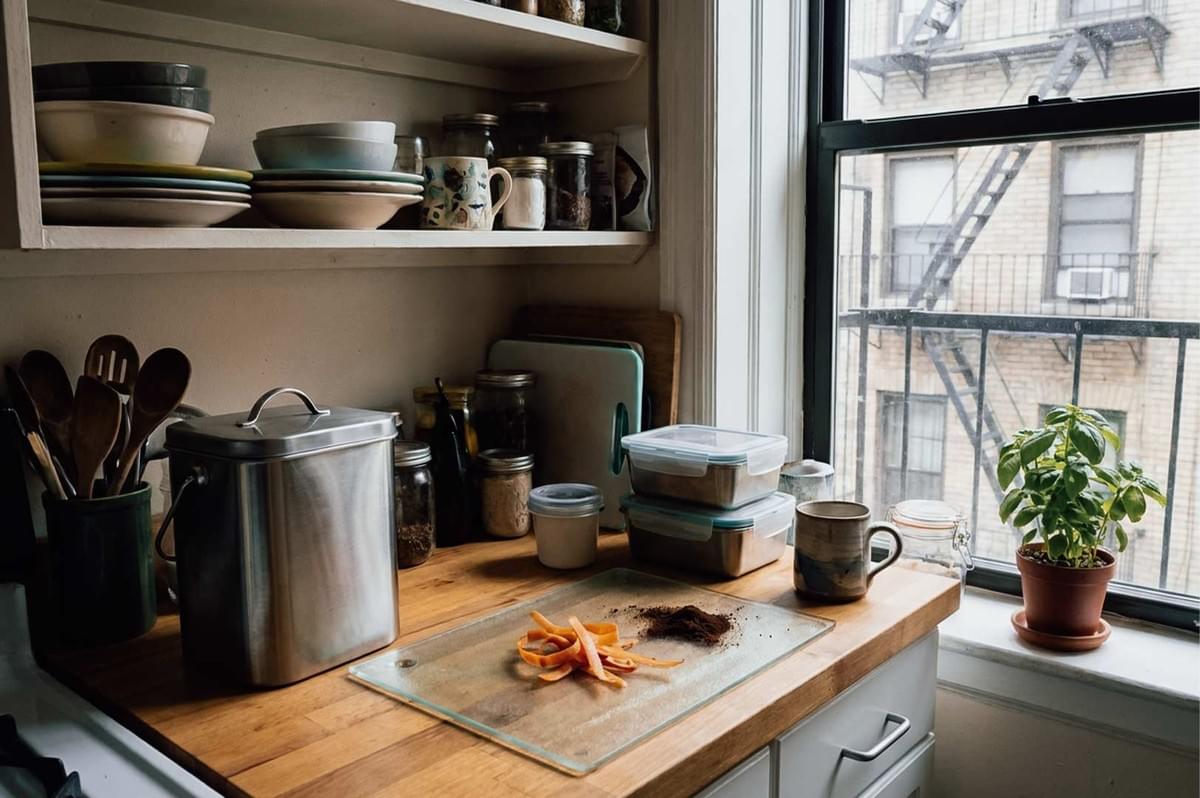
Modern composting methods offer solutions for even the smallest apartments. Whether you’re interested in high-tech options, traditional systems, or community-based approaches, there’s something for everyone.
1. Countertop Compost Bins: A Simple Starting Point
A countertop compost bin is a great first step for collecting kitchen waste like vegetable scraps, coffee grounds, and shredded paper. While not a full composting system, these bins act as a temporary holding station for organic waste.
- How it works: Place a small, sealed bin on your counter to collect food scraps throughout the day.
- Best for: Those with access to a community composting program or municipal green waste collection.
- Tips: Choose a bin with a tight-fitting lid and a charcoal filter to minimize odors.
This method is ideal for apartment dwellers who want to start small with minimal effort.
2. Bokashi Composting: Compact and Odor-Free
For those with no outdoor space or garden, bokashi composting is an excellent indoor solution. This Japanese method uses an anaerobic fermentation process to break down organic waste.
- How it works: Layer your food scraps in an airtight bokashi bin, sprinkling them with a special bokashi bran. Within two weeks, your scraps will ferment into "pre-compost."
- Why it’s great: Bokashi handles all kinds of waste, including meat, dairy, and oily foods, without producing bad smells.
- Next step: The pre-compost can be buried in soil or added to a traditional composting pile to finish breaking down.
Bokashi is perfect for expats living in small spaces who want a fast, odor-free solution.
3. Vermicomposting: The Power of Worms
Worm composting, or vermicomposting, uses special composting worms (like red wigglers) to turn organic waste into nutrient-rich compost. A worm bin can fit neatly in a kitchen, closet, or even under the sink. When setting up a plastic worm bin, make sure to add drilled holes for aeration and drainage. Untreated wood is also a suitable material for building a DIY worm bin, as it is safe for worms and compost.
- How it works: Worms consume your kitchen scraps, and their castings (waste) become rich, high-quality compost.
- Benefits: Properly maintained, a worm bin is odorless and produces excellent soil amendments.
- Considerations: Worm bins require balance—keep the moisture level like a wrung-out sponge and avoid adding meat, dairy, or oily foods.
For expats who want to compost indoors and learn about the fascinating decomposition process, vermicomposting is an engaging, eco-friendly choice.
4. Electric Composters: High-Tech Convenience
For those who love convenience and gadgets, electric composters are a game-changer. These devices break down food scraps into a dry, soil-like material in hours.
- How it works: Using heat and grinding, these machines process organic waste quickly and easily.
- Benefits: Odorless, compact, and effective for urban composting. Most can handle difficult scraps like meat and dairy.
- Drawbacks: They’re expensive and require electricity. Most electric composters use electricity generated from fossil fuels, which can offset some of the environmental benefits by contributing to carbon emissions. The finished product is less biologically active than traditional compost.
Electric composters are perfect for busy professionals seeking a low-maintenance solution.
5. Community Composting Programs: Hands-Off and Social
If managing your own bin feels overwhelming, many cities offer community composting programs where you can drop off your kitchen waste.
- Options include:
- Municipal green bins for curbside collection.
- Farmers' market drop-offs for composting programs.
- Community gardens or container gardens that accept compost contributions.
- Subscription-based private services that pick up your organic waste.
This is the easiest way to compost without bringing the process into your home.
Space-Saving Composting Techniques for Apartment Living
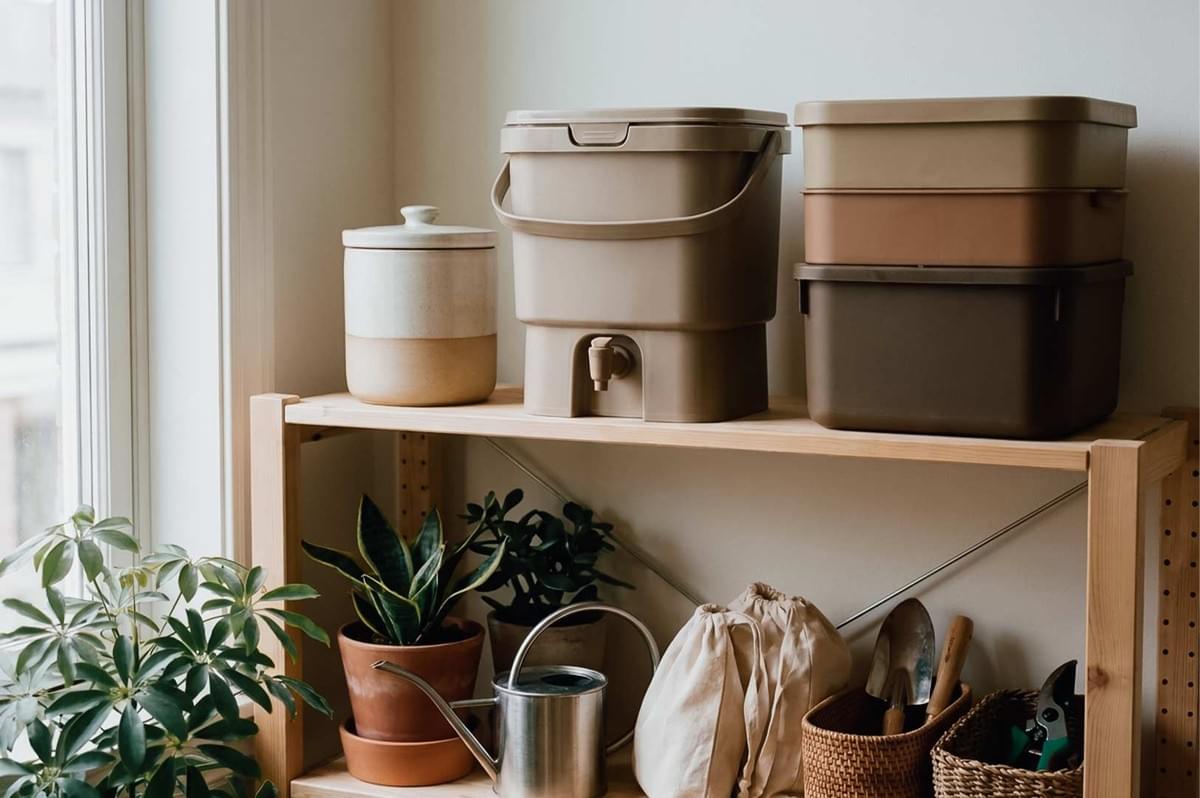
Dwelling within the refined confines of an apartment need not preclude the cultivation of composting mastery—numerous space-conscious methodologies await to transform your kitchen remnants into nutrient-dense treasure, even within the most intimate of sanctuaries.
Among the most contemplative approaches lies vermicomposting, an artisanal practice where specially curated composting worms orchestrate the gentle decomposition of kitchen offerings: fruit peels, coffee grounds, and vegetable trimmings.
This method embodies the essence of indoor alchemy, as a carefully selected worm bin requires minimal spatial commitment and may be thoughtfully positioned beneath a sink, within a closet, or upon a serene balcony. The resulting compost emerges as an extraordinarily nutrient-rich elixir, perfectly suited for container gardens or the contemplative tending of houseplants.
Bokashi Composting: A Refined Japanese Approach to Indoor Food Waste Recycling
Another exquisite option for those seeking spatial refinement is the contemplative art of bokashi composting. This revered Japanese technique employs bokashi bran, meticulously infused with beneficial microorganisms, to ferment all manner of culinary remnants—including meat and dairy offerings—within a compact, hermetically sealed vessel.
Bokashi systems are thoughtfully engineered to maintain atmospheric purity and nestle seamlessly into kitchen corners or beneath counters, presenting an elegant solution for those with limited space who desire to practice indoor composting without inviting unwelcome visitors.
Compact Compost Vessels: Elegant Solutions for Apartment Living
For practitioners who favor a more straightforward yet refined approach, there exist compact compost vessels specifically crafted for apartment contemplation. These thoughtfully designed bins feature precisely fitted lids and carbon filtration systems to preserve aromatic serenity, while their modest footprint allows placement in nearly any sanctuary, from kitchen surfaces to apartment terraces.
By embracing these space-conscious composting arts, apartment dwellers may significantly diminish their culinary waste, cultivate compost for their own curated container gardens, and contribute meaningfully to urban composting endeavors. This practice not only serves to reduce greenhouse gas emissions but also nurtures soil vitality and delivers the profound benefits of nutrient-rich compost to your indoor or balcony plantings—all while honoring the precious spatial boundaries of your dwelling sanctuary.
Overcoming Common Challenges of Composting Indoors
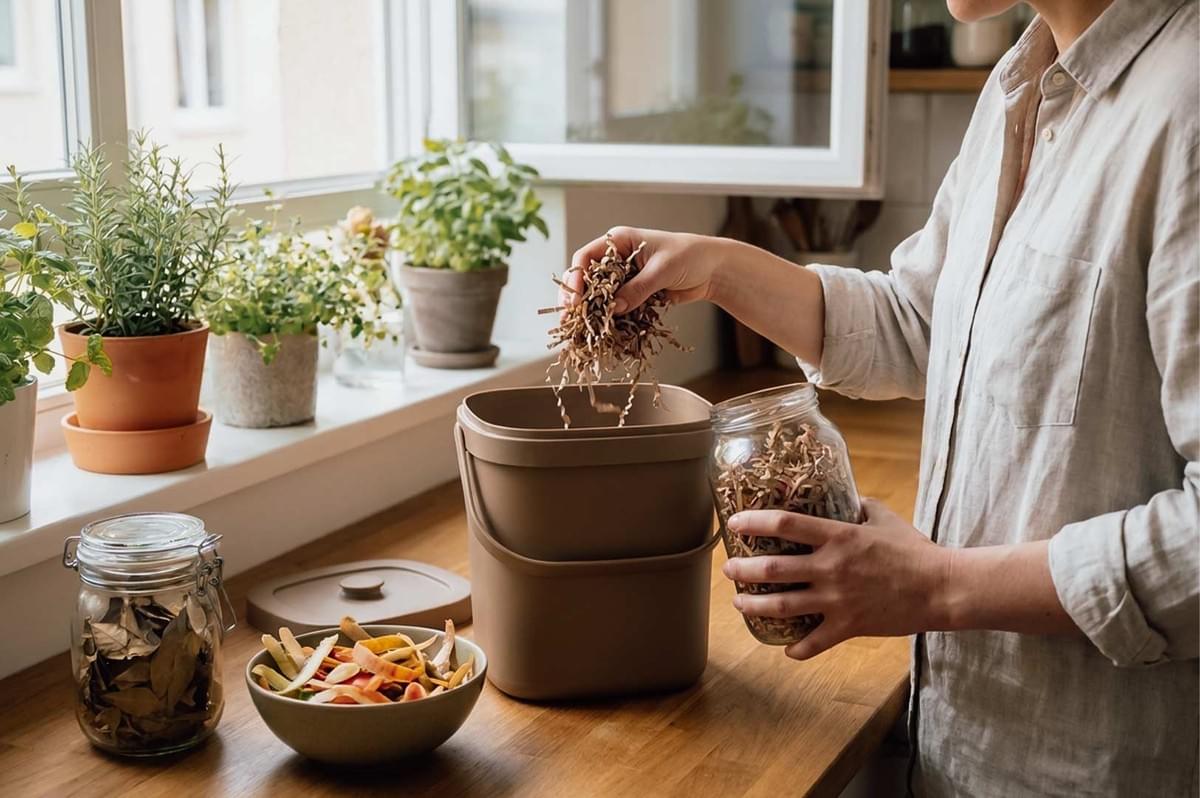
Starting a composting system in an apartment might feel intimidating, but each challenge has a simple solution:
- Odors: A well-maintained system should not smell. Odors typically occur when the proper ratio of carbon-rich materials (like shredded paper) and nitrogen-rich materials (like veggie scraps) is off.
- Pests: Use sealed bins, maintain proper drainage, and avoid leaving food uncovered to prevent attracting pests.
- Finished Compost: If you don’t have a garden, you can donate your finished compost to neighbors, local container gardens, or community gardens, or use it for indoor plants.
What to Do with Finished Compost in Small Spaces
Without access to a garden, there are still many ways to put your finished compost to good use:
- Use it for container gardens or houseplants.
- Offer it to neighbors or local gardening forums.
- Donate to a community garden.
- Sprinkle it around trees or in local parks (just check municipal rules).
Finished compost can also be used as a soil amendment to improve soil fertility and structure for container gardens, houseplants, or outdoor spaces.
Even in small spaces, your compost can support healthy plant growth and reduce reliance on chemical fertilizers.
Getting Started with Composting at Home
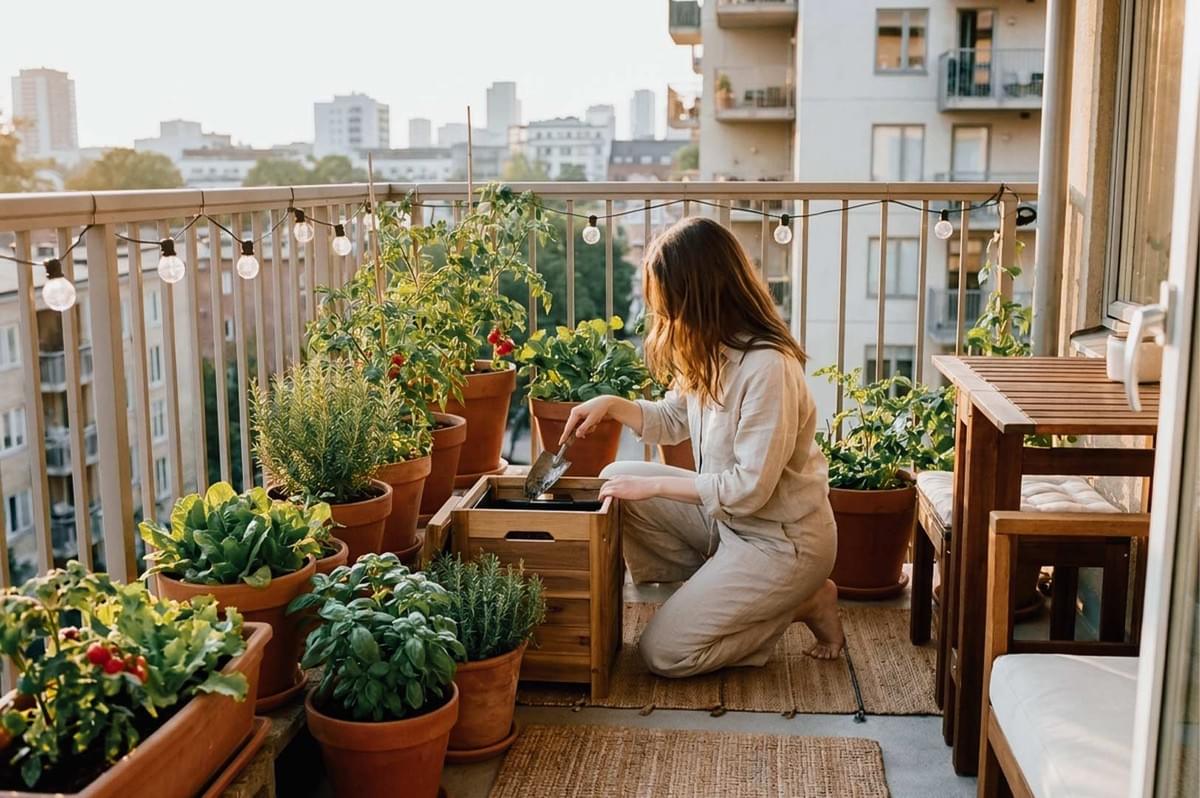
Follow these steps to begin your composting journey today:
- Assess Your Needs: How much waste do you generate? Do you have access to a community composting program, or will you need an indoor system?
- Choose a Method: Select a method that fits your space and lifestyle.
- Set Up Your System: Place your bin in a convenient spot with adequate ventilation. For worm bins, ensure there are drainage holes to prevent excess moisture.
- Start Composting: Begin collecting food scraps like fruit peels, coffee grounds, shredded paper, and crushed eggshells. Avoid adding dairy or meat unless using bokashi or electric composters.
- Monitor the Process: Keep an eye on moisture levels, temperature, and the balance of carbon-rich and nitrogen-rich materials.
Embrace Composting: A Small Step Towards Sustainability
Urban composting might seem challenging, but the right apartment composting solutions make it accessible to everyone. Whether you opt for a simple compost bin, explore bokashi composting, or dive into worm composting, every small effort helps reduce waste and turns organic waste into valuable nutrient-rich organic matter.
For expats navigating a new world, composting is more than just waste management—it’s a way to connect with your environment, reduce fossil fuel emissions, and live in harmony with your values. Start your composting journey today and discover how small changes in your living space can lead to a greener, more sustainable future. Your planet—and your plants—will thank you. Visit expateat.com, your trusted companion for expatriate living tips, community connections, and sustainable lifestyle ideas.
