

Last Updated: October 7, 2026
Looking for the best Japanese curry Singapore has to offer?
Japanese curry has a particular kind of comfort to it. The sauce is usually thick, savoury and gently sweet, served with rice and whatever topping suits the mood — from crispy katsu to vegetables, seafood or a soft omelette.
But there is more than one way to experience Japanese curry. In Sapporo, for example, Hokkaido soup curry takes a completely different approach, using an aromatic broth with vegetables and protein while keeping the rice separate. It is less about a thick curry sauce and more about the interplay between broth, spices, texture and heat.
That variety is what makes exploring Japanese curry in Singapore worthwhile. Some meals are familiar and easy; others introduce a regional style that may be completely new.
This guide looks at different Japanese curry experiences across Singapore, so you can find one that fits your appetite, budget and idea of comfort.
The Places We Visit
This guide to the best Japanese curry Singapore highlights options for authentic Japanese curry rice, chicken katsu curry, and customizable curry dishes that suit all preferences.
- Soup Curry by Ki-setsu — Hokkaido soup curry and the broth-based branch of Japanese curry
- Japan Rail Cafe — Watashino Curry Rice and Japanese travel culture
- Kuro Kare — 36-hour Japanese black curry
- CoCo Ichibanya — Customisable curry rice
- Maruhachi Donburi & Curry — Affordable everyday curry
- Monster Curry — Large portions and demi-glace-style curry
- Maji Curry — Rich Tokyo-style curry with premium proteins
1. Soup Curry by Ki-setsu – A Different Side of Japanese Curry Singapore May Not Know Yet
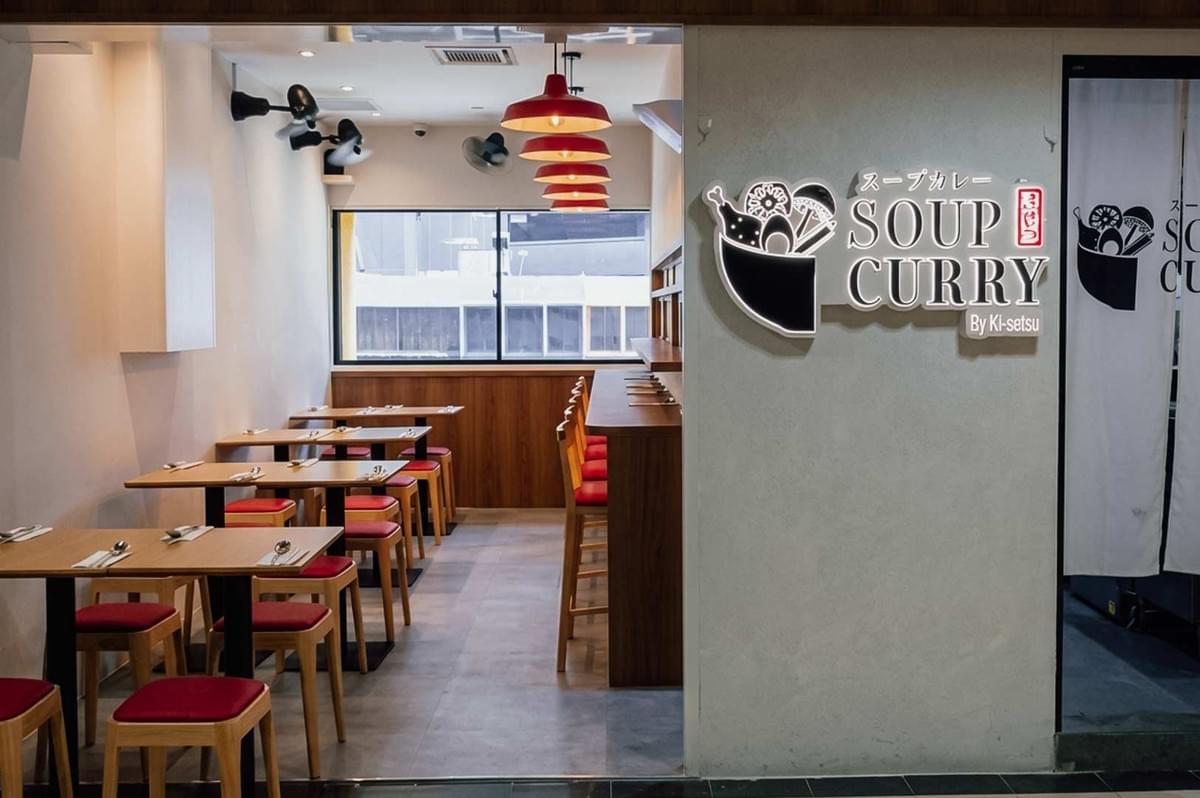
Best for: Expats discovering Hokkaido soup curry, vegetable lovers, and anyone looking for a lighter but deeply flavoured Japanese comfort food experience.
Recommended order: Chicken Curry Bowl, Vegetable Curry Bowl
Indicative price: S$14.80 per bowl, with free-flow rice
Soup Curry by Ki-setsu is where we'd start if someone asked us to show them a side of Japanese curry Singapore diners may not have encountered yet. Located at Fortune Centre on Middle Road, this restaurant specialises in traditional Hokkaido-style soup curry, a regional dish that originated in Sapporo and has become one of Hokkaido's recognised comfort foods.
The first thing to understand is that Hokkaido soup curry isn't simply a thinner Japanese curry rice. The two belong to different branches of the curry tradition. Instead of the thick roux-based sauce usually spooned over rice, soup curry is built around a light, aromatic broth seasoned with curry spices, then served with substantial vegetables and protein. The rice comes separately, so the soup is something to taste, spoon and enjoy in its own right.
At Soup Curry Ki-setsu, the broth is built from chicken bones simmered for more than six hours, with curry spices and aromatics layered into the stock. There is no added MSG, and the result is savoury and fragrant without the heavy gravy-like texture associated with conventional curry rice.
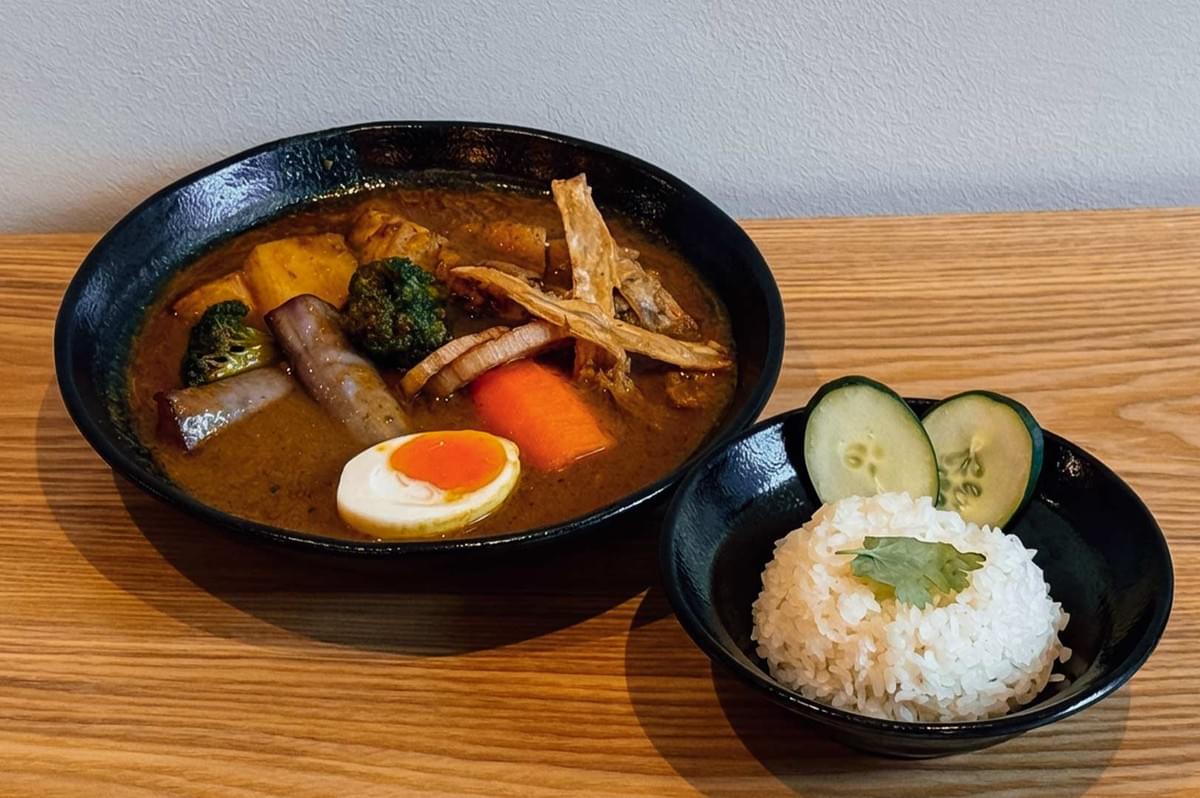
There are two main bowls to choose from. The Chicken Curry Bowl, at S$14.80, is the more substantial of the two. It comes with a large chicken drumstick, half a ramen egg, around six varieties of fresh vegetables, the Hokkaido-style curry broth and rice. The chicken is simmered for hours, leaving the meat tender enough to pull away from the bone easily.
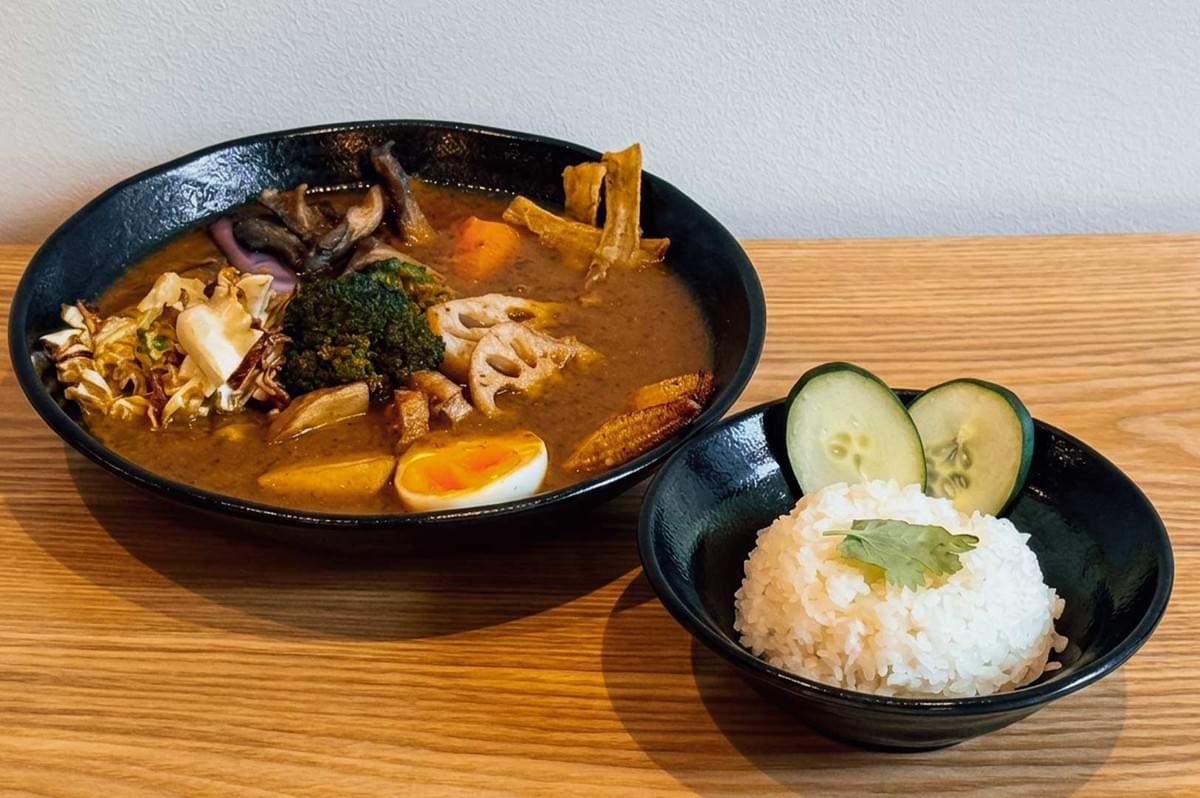
The Vegetable Curry Bowl is also S$14.80 and comes with around nine varieties of vegetables, half a ramen egg, curry broth and rice. The exact selection can change with availability, but expect a colourful mix of vegetables such as peppers, potato, carrot, eggplant, broccoli, lotus root, okra and pumpkin.
The vegetables aren't simply boiled and dropped into the soup. Many are prepared using su-age, a Japanese technique where vegetables are fried directly in oil without batter. That gives each ingredient its own texture and brings out its natural sweetness before it meets the broth. Eggplant softens into the soup, lotus root retains some bite, while root vegetables give the bowl more substance.
At S$14.80, that combination makes Ki-setsu particularly interesting for expats looking for a sit-down Japanese curry restaurant in Singapore that feels different without becoming inaccessible. The price includes a substantial bowl, generous vegetables or chicken, and free-flow rice.
The restaurant officially opens on 8 October, giving diners a new way to experience traditional Hokkaido-style soup curry in Singapore. That makes this an especially interesting time to experience the concept while it is settling into Singapore's food scene.
Why choose it
- A dedicated Hokkaido soup curry concept rather than conventional roux-based Japanese curry
- Broth made with more than six hours of chicken-bone simmering
- No added MSG
- Two S$14.80 main bowls with substantial vegetables or chicken
- Vegetables prepared using su-age
- Rice served separately and free-flow
- Customisable spice levels
- A useful introduction to Sapporo soup curry for diners unfamiliar with the regional style
Consider another restaurant when: You specifically want the thick, gravy-like Japanese curry rice traditionally served over rice, rather than a broth-based Hokkaido style.
2. Japan Rail Cafe – Japanese Curry with a Side of Japan Travel Culture
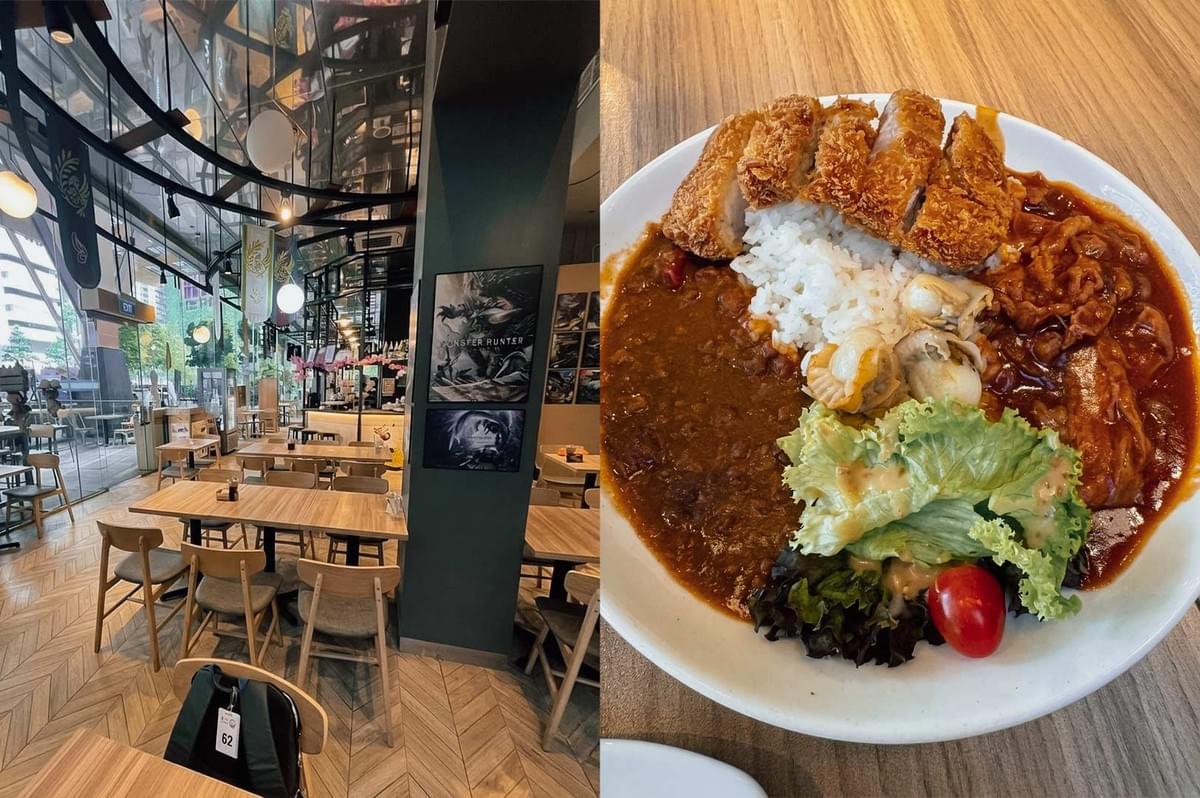
Best for: Diners who want a familiar Japanese curry rice meal in a cafe setting, or expats planning a Japan trip who like their meal with a little travel inspiration.
Recommended order: Watashino Curry Rice or Watashino Curry Bento
Indicative price: Around S$18.50 for the Watashino Curry Bento based on current menu listings.
Japan Rail Cafe occupies a slightly different place in Singapore's Japanese curry landscape. Located at Guoco Tower in Tanjong Pagar, the cafe was established by the East Japan Railway Company and combines casual Japanese food with a broader travel-and-culture concept. It also provides Japan travel services and hosts regional Japanese events, so the experience extends beyond the plate.
For the curry itself, Watashino Curry Rice is the natural starting point. The current menu describes it as a mild Japanese curry with pork and beef, while the Watashino Curry Bento pairs Japanese curry with a crispy chicken cutlet and fried egg. The current menu also offers a Hafu Hafu Rice, combining curry and Hayashi rice in one plate.
That makes Japan Rail Cafe a useful contrast to Soup Curry by Ki-setsu. Here, diners get the more familiar curry-rice format — curry sauce and rice together, with a choice of substantial toppings — rather than the broth-based Hokkaido style where the soup and rice are served separately.
There is also a travel connection that feels particularly natural for expats. The cafe was created as a “platform for real Japan”, and its menu changes to showcase different regional Japanese food and culture. For someone planning a trip to Japan, it can feel like a small preview of the country before the flight — or simply a comfortable place to sit down with Japanese food and coffee in the CBD.
Why choose it
- A Japanese curry experience connected to JR East
- Watashino Curry Rice and curry bento options
- More conventional curry-rice format than Hokkaido soup curry
- Travel-themed cafe with Japanese regional food and cultural programming
- Convenient Tanjong Pagar MRT location
- Useful stop for expats interested in Japanese food and travel
Consider another restaurant when: You specifically want a dedicated curry specialist, an intensely rich black curry, or the broth-based Hokkaido soup curry experience offered by Ki-setsu.
3. CoCo Ichibanya - Best Japanese Curry Rice with Customisable Curry Rice and Spice Levels

Best for: Families, groups, first-time Japanese curry diners and anyone who likes to personalise a meal.
Recommended order: Pork Cutlet Omelette Curry, Chicken Katsu Curry Rice
Indicative price: From S$23.10
CoCo Ichibanya is one of the easiest Japanese curry places to recommend because every diner can build a plate that suits their appetite. Instead of choosing from only a few fixed combinations, you can adjust the amount of rice portion, select a spice level, and add toppings such as chicken katsu, pork fillet katsu curry, seafood curry, creamed mushroom omelette curry, tomato omelette curry, grated cheese, vegetables, mushrooms or fried seafood like ebi prawn fry.
The japanese curry sauce here is smooth, mildly sweet and approachable. It is not designed to shock you with heat or unusually intense spices. Its strength is reliability: the sauce works with almost any topping and remains familiar even when you change the combination from one visit to the next.
The Chicken Katsu Curry Rice and Pork Cutlet Omelette Curry are satisfying first orders. The crispy breaded chicken katsu adds a crisp, meaty bite, while the soft omelette makes the curry sauce feel creamier. These dishes are filling without being as overwhelming as some of the larger combo plates served elsewhere.
CoCo Ichibanya is especially useful for families and groups because each person can order differently. A child or spice-sensitive diner can keep the curry mild, while another diner can choose more heat and extra toppings.
Why choose it
- Wide choice of toppings and combinations for japanese curry dishes
- Adjustable spice levels and rice portion
- Suitable for families, groups and solo diners
- Reliable flavour across visits
- Uses high quality ingredients to ensure consistent taste
Consider another restaurant when: Choose another restaurant when you want a more distinctive house sauce or a less chain-like dining experience.
4. Kuro Kare – 36-Hour Japanese Black Curry with a Deeper, Darker Character
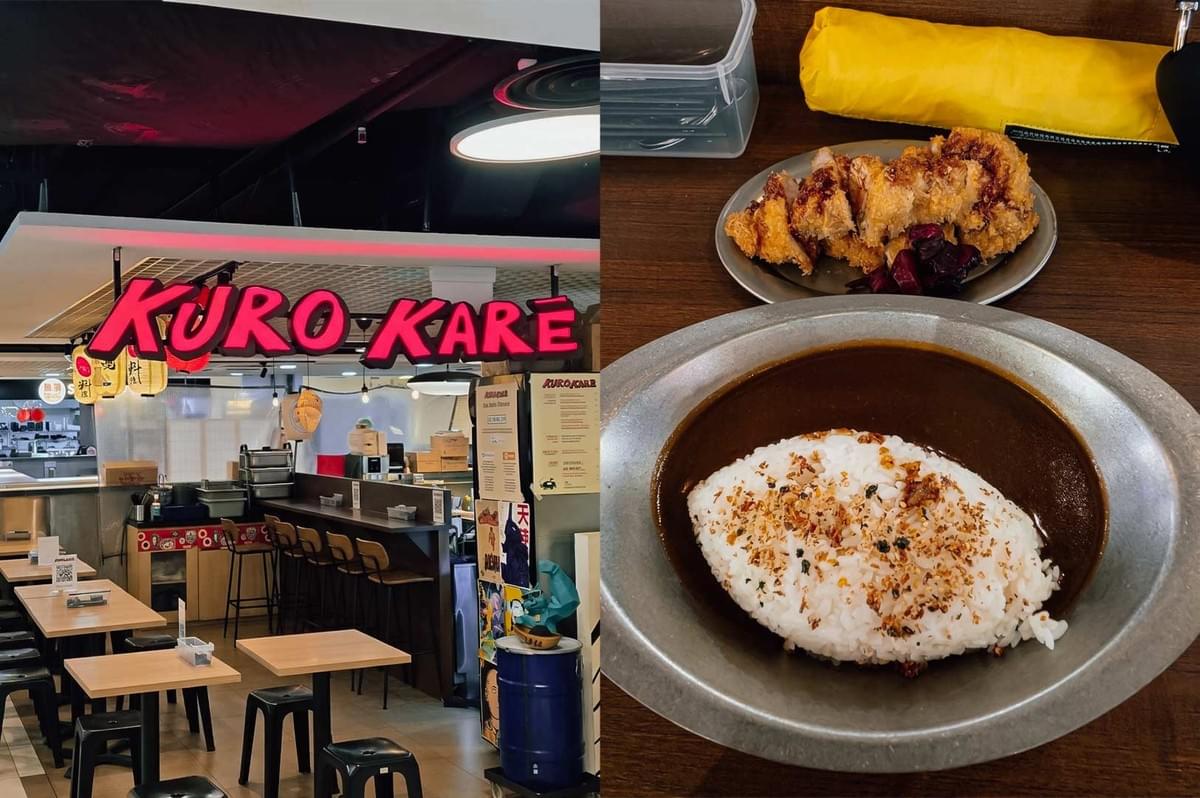
Best for: Diners who want a richer, darker Japanese curry and expats curious about a less conventional take on Japanese curry rice.
Recommended order: Iberico Pork Katsu Curry, Kuro Fried Chicken Curry
Indicative price: From S$12.90 for lunch
If the usual Japanese curry is the familiar comfort blanket, Kuro Kare is the darker, more intensely developed version. The homegrown restaurant, now tucked into the basement of Havelock II, is known for its 36-hour slow-cooked black curry, a recipe developed with more than 25 ingredients including caramelised onions, tomatoes, apples and dark chocolate. The curry is also rested for 24 hours, allowing its flavours to develop further.
That makes kuro kare, or black curry, a useful contrast to the other styles in this guide. It sits firmly on the thick, sauce-based side of Japanese curry rather than the broth-based Hokkaido soup curry served by Ki-setsu. The result is darker, deeper and more savoury, with a mellow sweetness underneath the curry's umami character.
The Iberico Pork Katsu Curry, at S$16.90 for lunch, pairs the signature curry with a substantial 250g Iberico pork cutlet. The Kuro Fried Chicken Curry, at S$12.90, uses 24-hour-brined chicken katsu with smoky tare.
Kuro Kare also gives the article a slightly different story. The restaurant was originally known for its SMU location before moving to Havelock II, where the current concept has only 18 seats and shifts into a more intimate izakaya-style setting in the evening.
For an expat exploring Japanese curry Singapore, that makes it more than another place to order curry rice. It is a useful stop for understanding how much variation exists within the category — from Ki-setsu's aromatic Hokkaido broth to Kuro Kare's deeply developed black curry.
Why choose it
- Signature 36-hour Japanese black curry
- More than 25 ingredients used in the curry
- Curry is rested for 24 hours
- Iberico Pork Katsu Curry and Kuro Fried Chicken Curry
- Current lunch mains from S$12.90
- Conveniently located near Chinatown and Clarke Quay MRT
- Small 18-seat setting with a different dinner atmosphere
Consider another restaurant when: You prefer a lighter, broth-based curry like Hokkaido soup curry or want extensive customisation of rice portions and spice levels.
5. Maruhachi Donburi & Curry - Affordable Everyday Japanese Curry Rice at Coffee Shops

Best for: Budget-conscious diners, neighbourhood meals and a simple weekday curry.
Recommended order: Pork Katsu Curry Rice, Ebi Prawn Fry
Indicative price: About S$13.80
Maruhachi Donburi & Curry is a strong choice when you want a straightforward Japanese curry rice meal without the price or formality of a full-service restaurant. Its appeal comes from simplicity: crisp katsu, warm fluffy rice and a mild curry sauce that is easy to enjoy regularly. The use of fresh Japanese breadcrumbs and quality ingredients ensures a satisfying meal.
The Pork Katsu Curry Rice is the natural place to start. The breaded cutlet provides the texture that makes classic katsu curry so satisfying, while the sauce supports the pork rather than covering it with excessive sweetness or spice.
The casual neighbourhood coffee shop setting makes Maruhachi particularly convenient for residents around Holland Village and nearby areas. It suits a quick lunch, a relaxed dinner or the kind of meal you order when you want comfort food without a long decision.
Why choose it
- Good value for money
- Casual neighbourhood coffee shop setting
- Simple, familiar curry flavour
- Satisfying pork katsu curry rice
Consider another restaurant when: Choose another restaurant when you want adjustable spice levels, more toppings or a premium dining experience.
6. Monster Curry - Demi Glace Curry and Large Portions for Big Appetites

Best for: Large appetites, families and group meals.
Recommended order: Chicken Katsu Curry, Pork Katsu Curry with demi glace curry sauce; Monster Hot spice levels for an extra kick
Indicative price: About S$17.50 for a katsu curry, with larger combos costing more.
Monster Curry is designed for diners who want their meal to feel substantial. The plates are generous, the toppings are bold and the presentation makes the curry look as filling as it tastes.
Its curry has a thick demi glace-style character with a savoury, slightly sweet flavour. Diners can select their preferred spice level, including monster hot, which features a hot sauce made from chilli padi, garlic, ginger and celery for an extra kick.
A chicken katsu curry or pork katsu curry is a sensible individual order. When dining with friends or family, the larger combination plates become the main attraction because they bring several toppings together on one oversized serving, including crunchy shrimp tempura, fried fish fillet, and juicy meats served with fluffy buns.
Monster Curry works best when portion size and variety matter more than subtlety. It is a practical option for a hungry group, but the same richness and scale may feel heavy for someone looking for a light lunch.
Why choose it
- Large, filling portions with premium proteins
- Good for sharing and group dining
- Multiple topping combinations and spice levels
- Thick demi glace curry sauce
- Incorporates high quality ingredients for flavour depth
Consider another restaurant when: Choose another restaurant when you want a lighter meal, a quieter setting or a more refined curry experience.
7. Maji Curry - Rich Tokyo-Style Curry with Premium Proteins and Slow Cooked Flavour

Best for: Serious curry lovers, couples and solo diners who prefer a richer sauce and authentic taste.
Recommended order: Tonkatsu Omelette Curry, Bellota Loin Katsu Curry
Indicative price: From S$18.13
Maji Curry is the strongest choice in this guide for diners who want a richer and more concentrated curry experience. The sauce is deeper and more savoury than the milder curry served by many chains, slow cooked with various spices for full flavour.
The Tonkatsu Omelette Curry is an excellent introduction. Crisp pork cutlet adds texture, the omelette softens the edges of the sauce, and the curry brings the components together with a fuller flavour.
Maji Curry feels more focused than a general Japanese restaurant that happens to include one curry dish. Its appeal comes from combinations built around the curry itself, including rich toppings such as omelette, hamburg steak, grated cheese and juicy meats like grilled pork loin.
This is the restaurant to choose when you have already tried standard chain curry and want something more distinctive. The trade-off is that the meal can feel heavier and cost more than a basic neighbourhood curry bowl.
Why choose it
- Rich, savoury Tokyo-style demi glace curry sauce
- Curry-focused menu with premium proteins
- Strong omelette and katsu combinations
Consider another restaurant when: Choose another restaurant when you prefer a lighter sauce, a lower priced meal or very large portions.
Frequently Asked Questions About Japanese Curry Rice and More
What is the best Japanese curry in Singapore?
There is no single answer because Japanese curry Singapore covers several distinct styles. Soup Curry by Ki-setsu is the choice for Hokkaido-style soup curry and an aromatic curry broth, while Kuro Kare offers a darker black curry. CoCo Ichibanya suits customisation, Japan Rail Cafe offers a familiar curry-rice format, Maruhachi focuses on everyday value, Monster Curry on generous portions and Maji Curry on richer curry flavour.
What is the difference between Hokkaido soup curry and Japanese curry rice?
Hokkaido soup curry is a separate regional style rather than simply a thinner version of Japanese curry rice. It originated in Sapporo and uses an aromatic, broth-like curry with vegetables and protein, while the rice is served separately.
Traditional Japanese curry rice is generally built around a Japanese curry roux, producing the thicker curry sauce that is served over rice. The two styles offer different textures, serving formats and eating experiences.
Which Japanese curry restaurant is best for families?
CoCo Ichibanya is particularly useful for families because diners can customise their rice portions, spice levels and toppings individually. Monster Curry is another practical option for groups that prefer larger portions and more substantial combinations.
Where can diners find affordable Japanese curry rice in Singapore?
Maruhachi Donburi & Curry is the everyday option in this guide, with a casual setting and a straightforward katsu curry meal. Soup Curry by Ki-setsu also offers its Chicken and Vegetable Curry Bowls at S$14.80, with free-flow rice.
Where can diners try Japanese black curry in Singapore?
Kuro Kare specialises in kuro kare, or black curry. Its signature curry is slow-cooked for 36 hours and made with more than 25 ingredients, giving diners a darker alternative to conventional Japanese curry rice.
Which restaurant is best for a rich Japanese curry sauce?
Maji Curry is the strongest choice in this guide for diners who prefer a deeper, more concentrated curry. Kuro Kare is another option if the appeal is specifically a darker black curry with a long cooking process.
Where can diners try chicken soup curry in Singapore?
Soup Curry by Ki-setsu is the dedicated Hokkaido-style option in this guide. Its Chicken Curry Bowl uses a chicken-bone broth simmered for more than six hours, with vegetables, chicken drumstick, ramen egg and separately served rice.
What is Watashino Curry Rice?
Watashino Curry Rice is a curry dish available at Japan Rail Cafe. It provides a more conventional Japanese curry-rice experience compared with the broth-based Hokkaido soup curry at Ki-setsu.
Is Japanese curry spicy?
Japanese curry can range from mild to spicy depending on the restaurant and preparation. CoCo Ichibanya offers customisable spice levels, while Soup Curry by Ki-setsu also allows diners to customise the spice level of its soup curry.
What is the difference between Japanese curry and chicken katsu curry?
Japanese curry refers to the curry preparation itself, while chicken katsu curry combines Japanese curry with a breaded and fried chicken cutlet. The crispy katsu provides contrast against the curry sauce and rice.
Beyond curry, Japanese rice dishes offer another way to explore Singapore's Japanese food scene. For seafood lovers, these chirashi don spots Singapore are worth exploring for fresh sashimi bowls and seasonal flavours.
Final Verdict on the Best Japanese Curry Singapore
Singapore's Japanese curry landscape is broader than one style of sauce over rice. These seven restaurants show how different the experience can be — from Hokkaido soup curry and its aromatic broth to kuro kare, conventional curry rice, customisable plates and generously topped demi glace-style curry.
Soup Curry by Ki-setsu is the most distinctive introduction to a regional Japanese curry style, while Japan Rail Cafe offers a more familiar curry-rice experience with its Watashino Curry Rice. Kuro Kare brings a darker black curry to the table, CoCo Ichibanya gives diners control over how they build their meal, Maruhachi keeps things simple and affordable, Monster Curry caters to big appetites, and Maji Curry focuses on richer curry flavour and premium proteins.
The best Japanese curry Singapore has to offer ultimately depends on what kind of curry the diner wants that day. It might be a thick curry sauce with crispy katsu, a darker black curry, or a completely different experience built around an aromatic curry broth with vegetables and chicken.
For many curry lovers, that is part of the fun of exploring Japanese curry culture in Singapore. There is more than one way to build a satisfying bowl — and discovering which style feels most like yours is half the meal. ExpatEat.com is where those everyday food discoveries tend to lead next.
